New Year Crowds Trigger Rail Delays and Heightened City Security
Major cities report rail and road disruptions as authorities tighten screening and policing to manage New Year’s crowds, creating travel chaos for commuters and tourists alike. The measures, seen most visibly in New York’s Times Square and around Bangkok’s CentralWorld, underscore the growing trade-off between public celebration and security that has economic consequences for transit systems, tourism and city budgets.
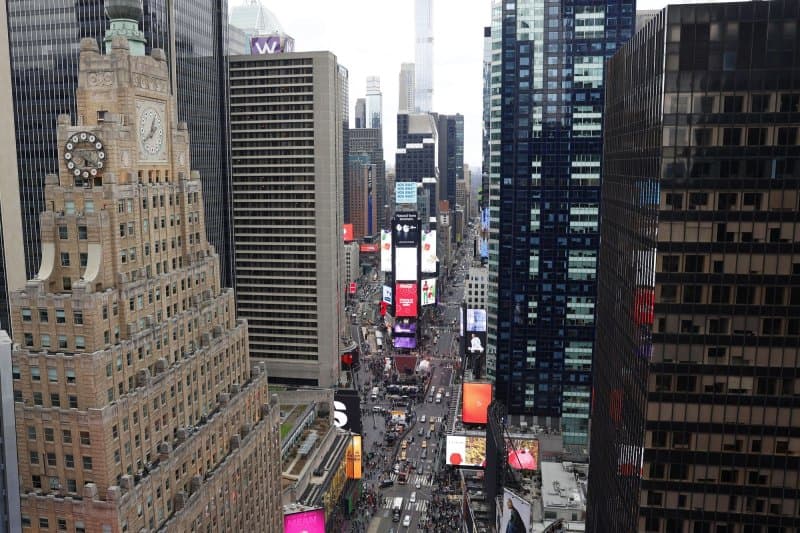
Local reporting on January 1, 2026 documents heavier-than-normal policing, additional screening measures and transport disruptions as cities coped with large New Year’s crowds. In New York City, authorities implemented stepped-up security around Times Square, leading to concentrated pedestrian flows, temporary screening checkpoints and slower access to nearby subway stations. In Bangkok, road closures around the CentralWorld mall for the countdown created prolonged traffic tie-ups and longer transfers to rail stations and airports.
Transit operators and municipal officials typically plan for holiday surges, but this year’s combination of intensified screening and localized shutdowns magnified delays. Rail operators reported crowded platforms and slower boarding at peak moments, producing ripple effects across commuter networks. For urban residents and visitors, the result was extended door-to-door travel times and overloaded customer service channels at major stations.
The immediate economic impact is twofold. First, direct disruption reduces the day’s mobility and consumer spending patterns, with foot-traffic-dependent businesses, restaurants, retail and street vendors, seeing concentrated demand near event sites and reduced patronage elsewhere. Historically, large public New Year’s events have generated economic activity in the tens of millions of dollars for host neighborhoods; when access is constrained, that spending is redistributed or foregone. Second, municipalities and transit agencies incur higher operating costs from overtime pay for police and transit staff, deployment of screening equipment and logistics coordination. These costs add to already strained municipal budgets at a time when many cities are reassessing safety investments.
Market participants watch holiday mobility indicators as short-run signals for travel and hospitality sectors. Disruptions that depress same-day spending or create negative traveler experiences can weigh on hotel occupancy and retail receipts in tourism-dependent districts. For transit agencies, sustained crowd management regimes also create pressure to accelerate capital projects that ease congestion, such as station upgrades, platform reconfigurations and digital crowd-monitoring systems, which carry long-term fiscal implications.
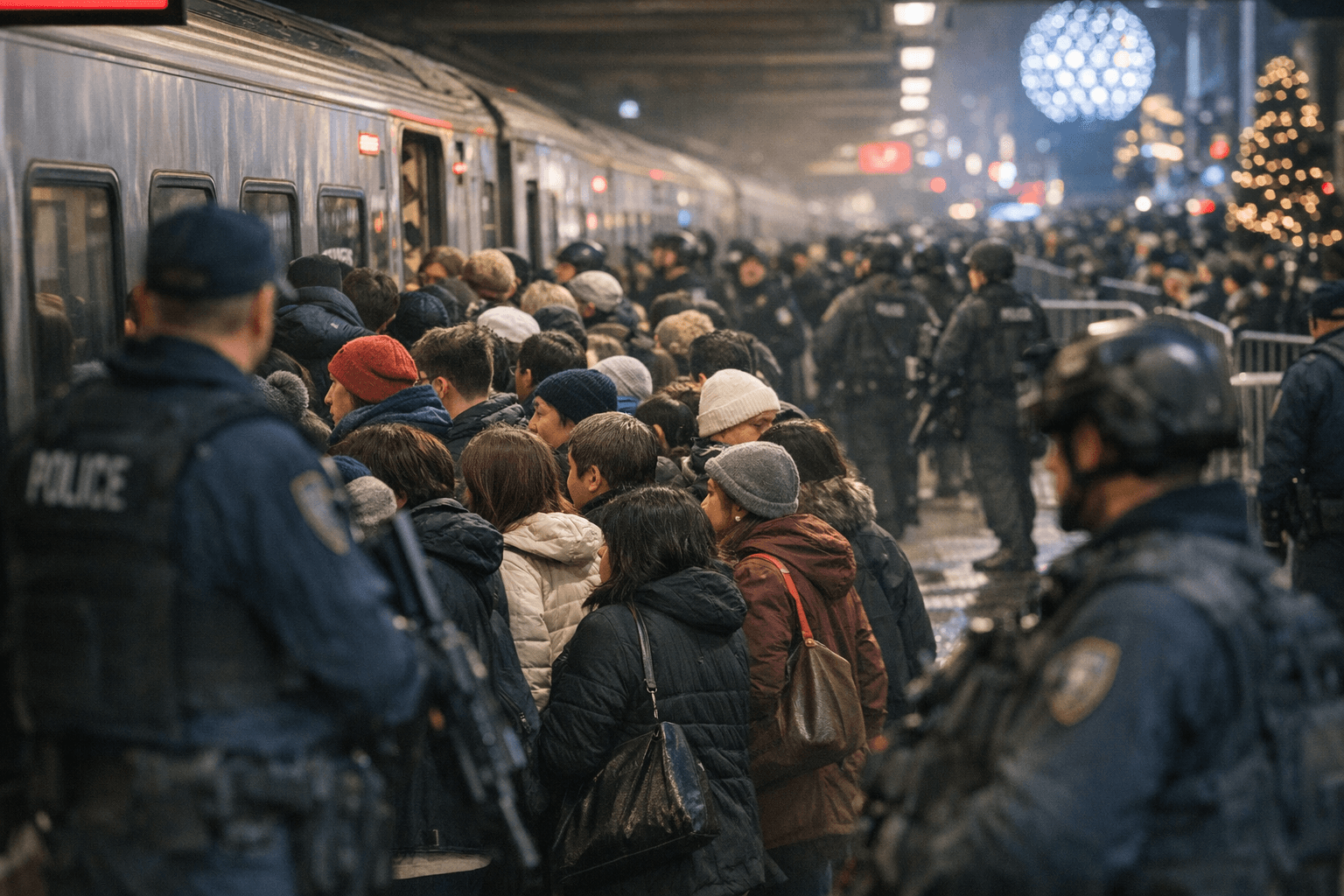
The pattern observed today reflects broader long-term trends in urban governance. Since the mid-2010s, cities have increasingly prioritized targeted security measures for mass gatherings while trying to preserve economic activity and public access. That balance is becoming more expensive and operationally complex as cities face rising urban populations, higher event attendance and evolving threat assessments. Technological responses, expanded screening, video analytics and digital ticketing tied to identity checks, can reduce some friction but also introduce new costs and civil liberties debates.
For travelers, the practical takeaway is to build extra time into itineraries around major public celebrations, use official transit advisories and expect occasional reroutes. For policymakers, the challenge is to design crowd-management systems that safeguard public safety without imposing disproportionate delays or costs on everyday mobility and the urban economies that depend on it.
This article was produced by Prism’s automated news system from verified source data, official records, and press releases, then run through automated quality and moderation checks before publishing. The system is built and supervised by the people who set the standards it runs under. Read our full AI policy.
Did this article answer your question?

