New York bar uses prediction market hedge for Knicks Finals promotion
The Jeffrey on the Upper East Side capped tabs at $100, then hedged the Knicks’ Game 1 promotion with a $5,000 prediction-market trade that paid off when New York won.

The Jeffrey turned a Knicks Finals promotion into a live lesson in financialized fandom. The Upper East Side bar told customers it would cover their tabs, up to $100 per patron, if New York beat the San Antonio Spurs in Game 1, then offset the risk with a $5,000 trade on Kalshi, the CFTC-regulated prediction-market platform.
When the Knicks won Game 1, 105-95, the bar had to make good on the free-tab promise, but the hedge also paid out. Kalshi said the contract could return more than $13,000, while other coverage put the payout closer to $8,000 depending on the exact structure of the trade. For owner Andrew Freedman, the point was simple: the promotion could draw a crowd without forcing the business to absorb the full loss if the Knicks delivered.
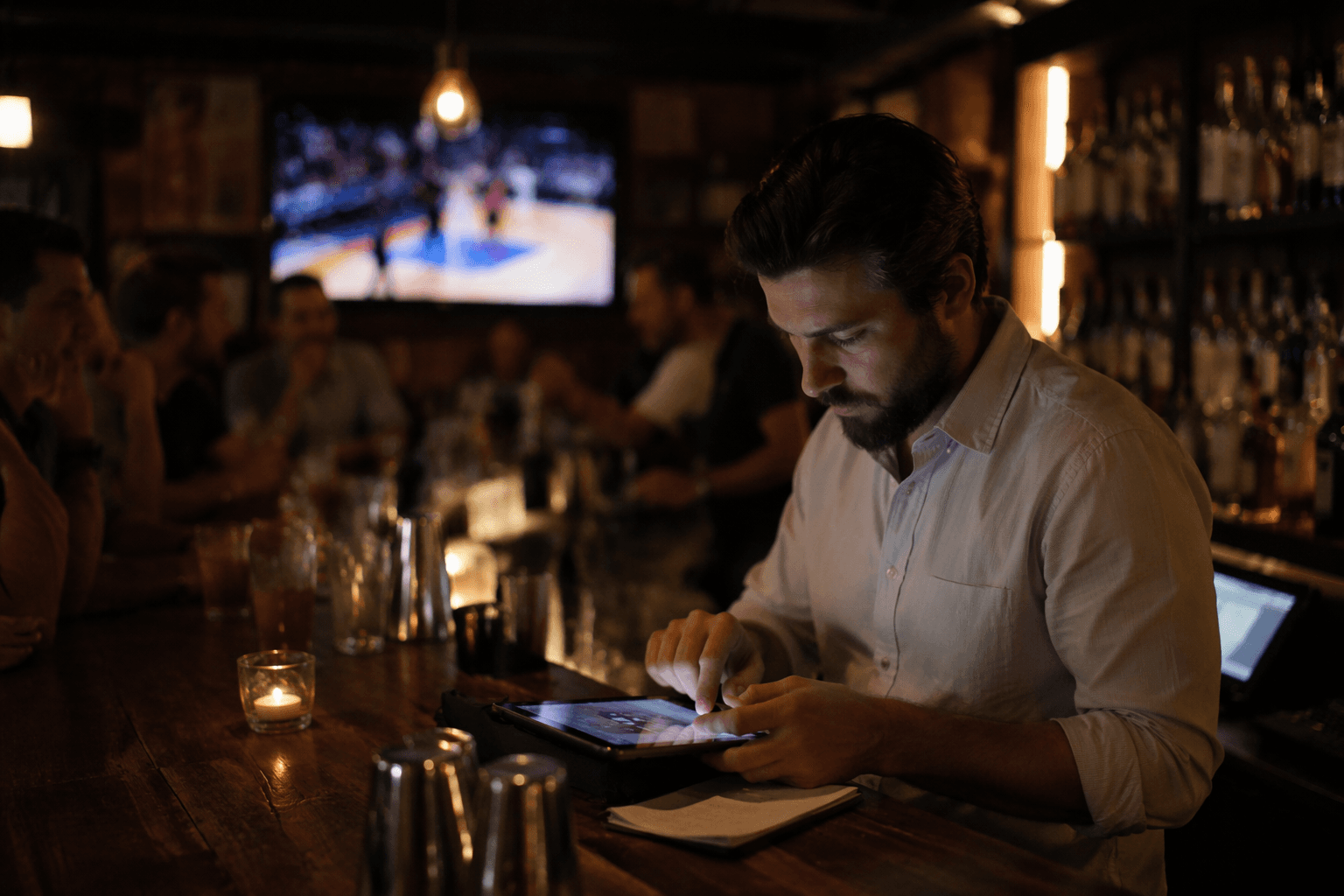
That setup pushed the logic of sports promotion into the language of derivatives. Rather than treating the wager as a side bet, Kalshi framed the move as an insurance-like hedge, one that let a neighborhood bar use market exposure to manage its own marketing liability. The mechanics were straightforward: promise customers a reward tied to a team result, then buy a position that pays if that same outcome happens.
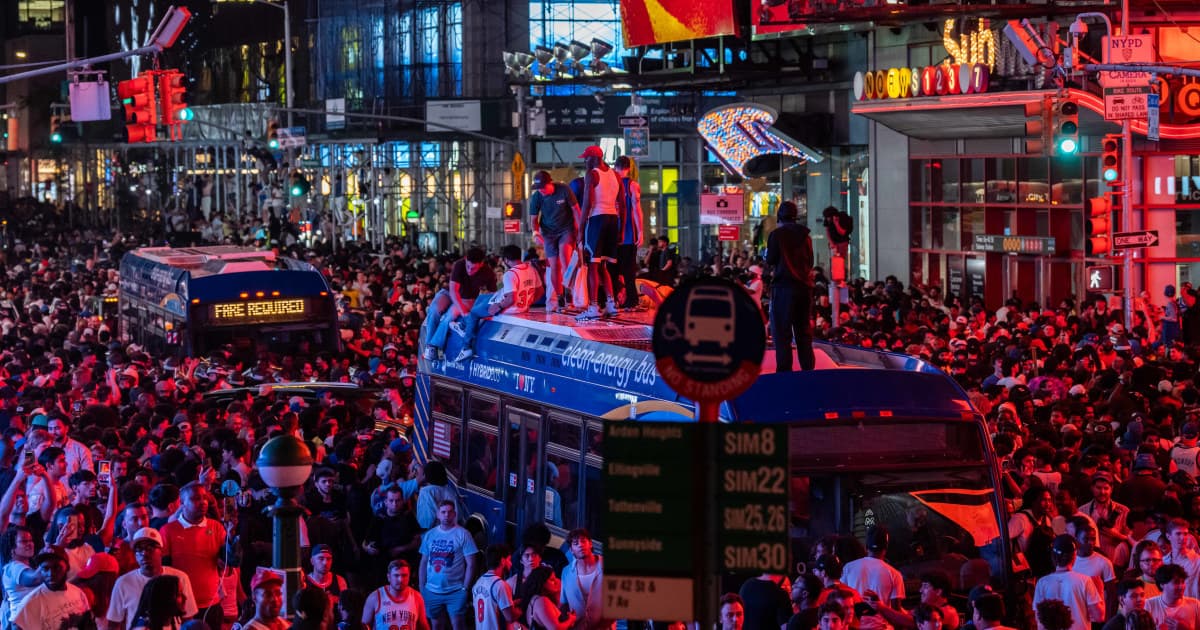
The Knicks’ postseason surge gave that strategy a wider stage. Polymarket’s Knicks page showed more than $512.6 million in total trading volume across active Knicks markets, a sign that the team’s run had become a major driver of prediction-market activity well beyond gambling circles. The market interest followed every swing, including New York’s Game 4 comeback, when the Knicks erased a 29-point deficit and beat the Spurs 107-106 to move one win from the title.
The bar’s play also fit a familiar sports-marketing pattern. Promotions tied to improbable outcomes have long been associated with high-stakes hedge tactics, and the comparison most often invoked is Mattress Mack, the Houston businessman who made his own name turning big sports bets into customer-facing offers. What changed here was the setting: a local bar, a regulated prediction market, and a fan economy where the line between cheering, pricing risk, and chasing attention is getting harder to see.
This article was produced by Prism’s automated news system from verified source data, official records, and press releases, then run through automated quality and moderation checks before publishing. The system is built and supervised by the people who set the standards it runs under. Read our full AI policy.
Know something we missed? Have a correction or additional information?
Submit a Tip