New York budget deal expands housing vouchers and transit discounts
City Hall traded a smaller voucher increase for budget peace, splitting $300 million in housing aid over two years and widening Fair Fares to hundreds of thousands more riders.
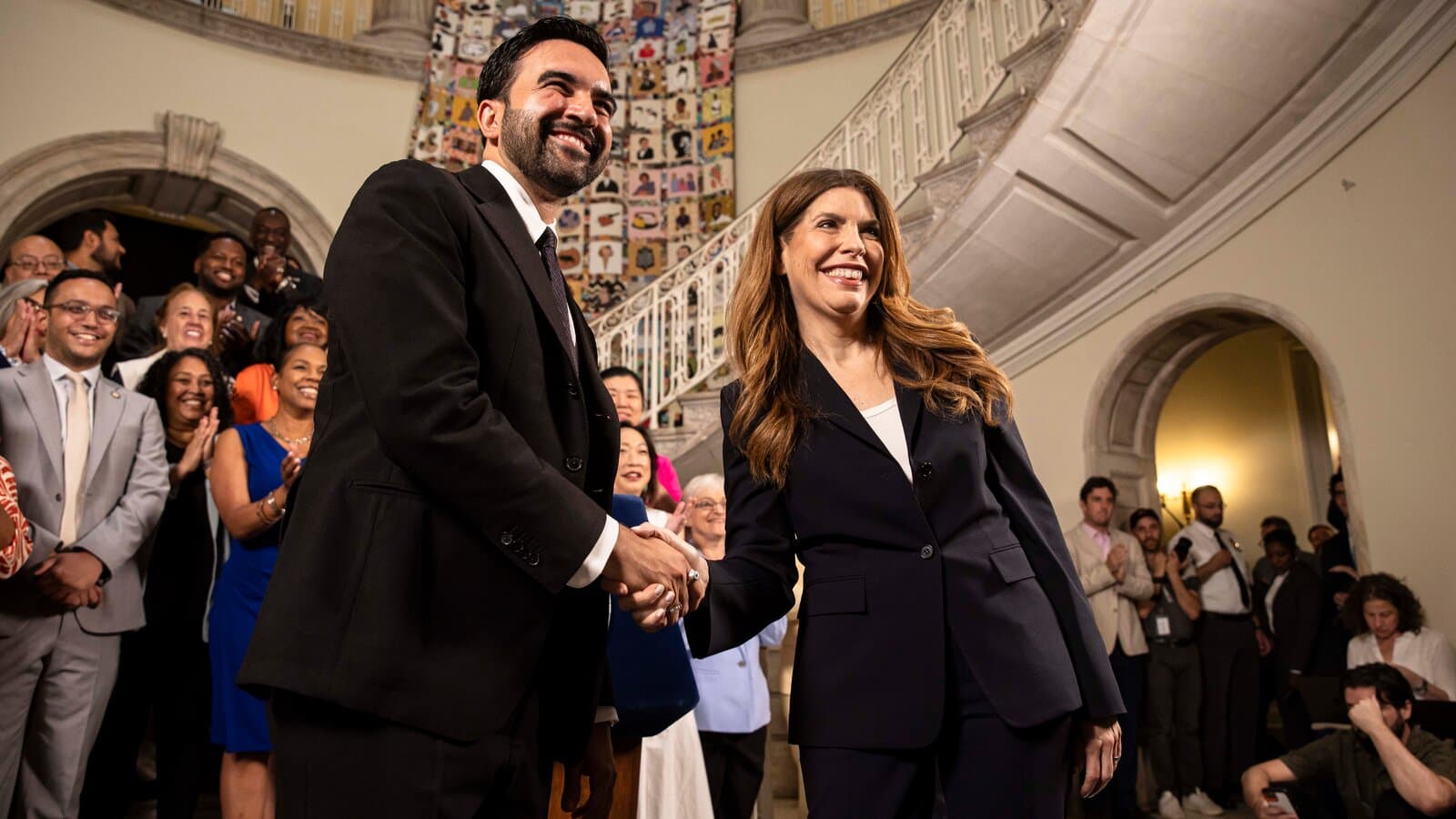
Mayor Zohran Mamdani and the City Council struck a handshake budget deal Tuesday morning that expands housing vouchers and transit discounts while holding New York City spending near $126 billion for Fiscal Year 2027. The agreement came just hours before the statutory deadline and settled the last major dispute in a fight that had centered on how far a progressive administration could stretch affordability policy without blowing up the numbers.
The sharpest clash was over CityFHEPS, the city rental assistance program that works like a local version of Section 8 by paying subsidies to private landlords on behalf of tenants. Council Speaker Julie Menin and a bloc of members had pushed for about $300 million a year in new housing voucher money, arguing that renters leaving shelters and households facing eviction needed a larger commitment. The compromise split the added funding across two years, with $175 million in the upcoming fiscal year and $125 million in the following year.
That is a far smaller jump than some advocates wanted, but it still marks a significant expansion for a program that launched in 2019 at about $25 million and is now expected to cost about $1.7 billion in Fiscal Year 2026. Comptroller Mark Levine has estimated that a broader CityFHEPS expansion could cost as much as $22 billion over five years. The legal fight over eligibility has also hung over City Hall since 2023, when the Council passed laws to widen the program and then-Mayor Eric Adams declined to implement them, sending the dispute into court.
Mamdani said earlier in 2026 that the city faced a two-year gap of about $12 billion, before state aid and revenue updates eased the pressure. In June, New York received roughly $4 billion in additional last-minute state assistance, much of it tied to restructuring city pension payments, giving negotiators more room to close the deal without cutting essential services or reviving a property-tax increase that had been floated and then dropped from the executive budget.

Public safety remained part of the negotiation, too. Mamdani had initially proposed hiring 580 additional NYPD officers, then backed away from that plan after criticism from criminal justice advocates and some elected officials. Under the deal, NYPD headcount stays flat at the originally authorized 35,000 officers, with Mamdani and Police Commissioner Jessica Tisch saying the department could meet public-safety needs without adding to the force.
The transit side of the package is built around Fair Fares, the city’s discount fare program. The expansion is the largest ever and could add hundreds of thousands of eligible New Yorkers. The Independent Budget Office found that about 41% of nearly 940,000 eligible residents were enrolled.
This article was produced by Prism’s automated news system from verified source data, official records, and press releases, then run through automated quality and moderation checks before publishing. The system is built and supervised by the people who set the standards it runs under. Read our full AI policy.
Did this article answer your question?

