New York City reports first death in Upper East Side Legionnaires outbreak
A Legionnaires’ cluster on the Upper East Side has now killed one person, as health officials race to pin down the source among building cooling systems.
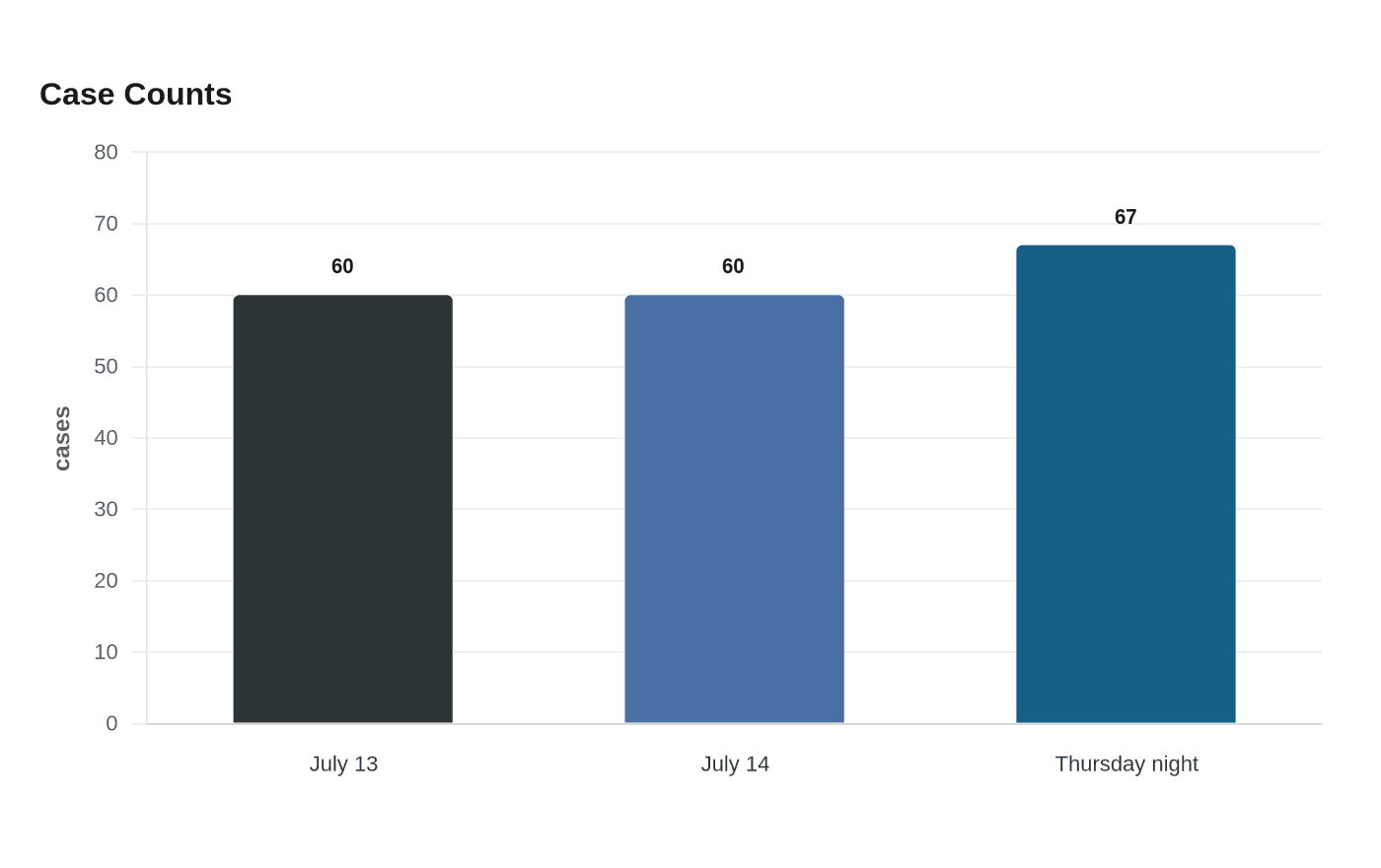
New York City health officials confirmed the first death tied to the Upper East Side Legionnaires’ outbreak as the case count climbed to 67. The fatality sharpened attention on a cluster that has spread across Carnegie Hill and Yorkville and forced the city to widen its building inspections.
Health Commissioner Dr. Alister F. Martin announced the death on Friday evening, adding urgency to an investigation that has already put cooling towers under scrutiny. City health officials have not identified the source of the bacteria, but they are focusing on cooling towers, which are a common source in Legionnaires’ outbreaks because they can release contaminated mist into the air.
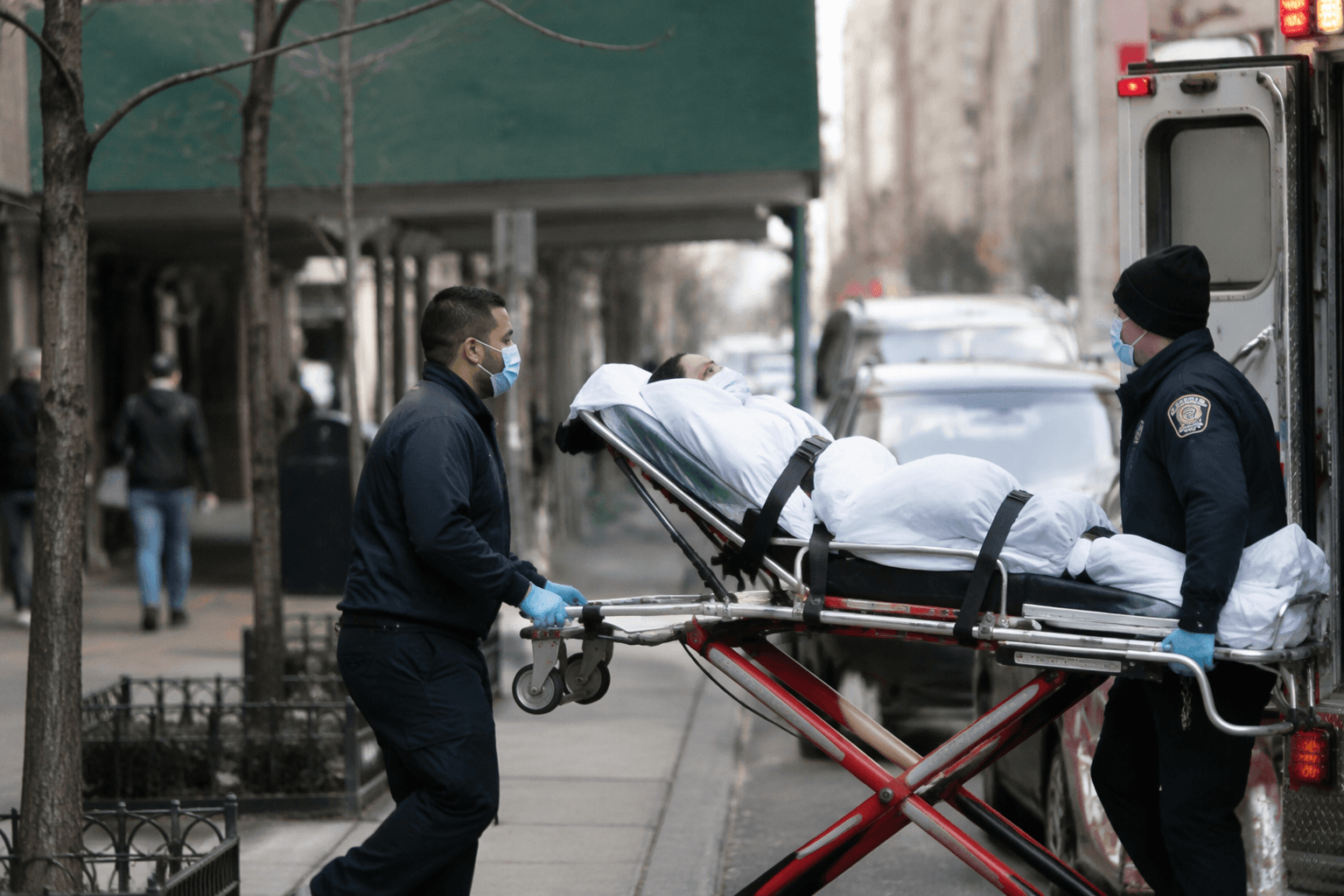
Legionnaires’ disease is a severe form of pneumonia caused by Legionella bacteria that grow naturally in water and can spread when people breathe in mist or vapor containing the bacteria. The risk is highest for older adults, smokers and people with weakened immune systems, though anyone exposed to contaminated aerosols can get sick. Symptoms often start like a bad flu or pneumonia, including fever, cough, shortness of breath and muscle aches, and some patients also develop gastrointestinal symptoms.
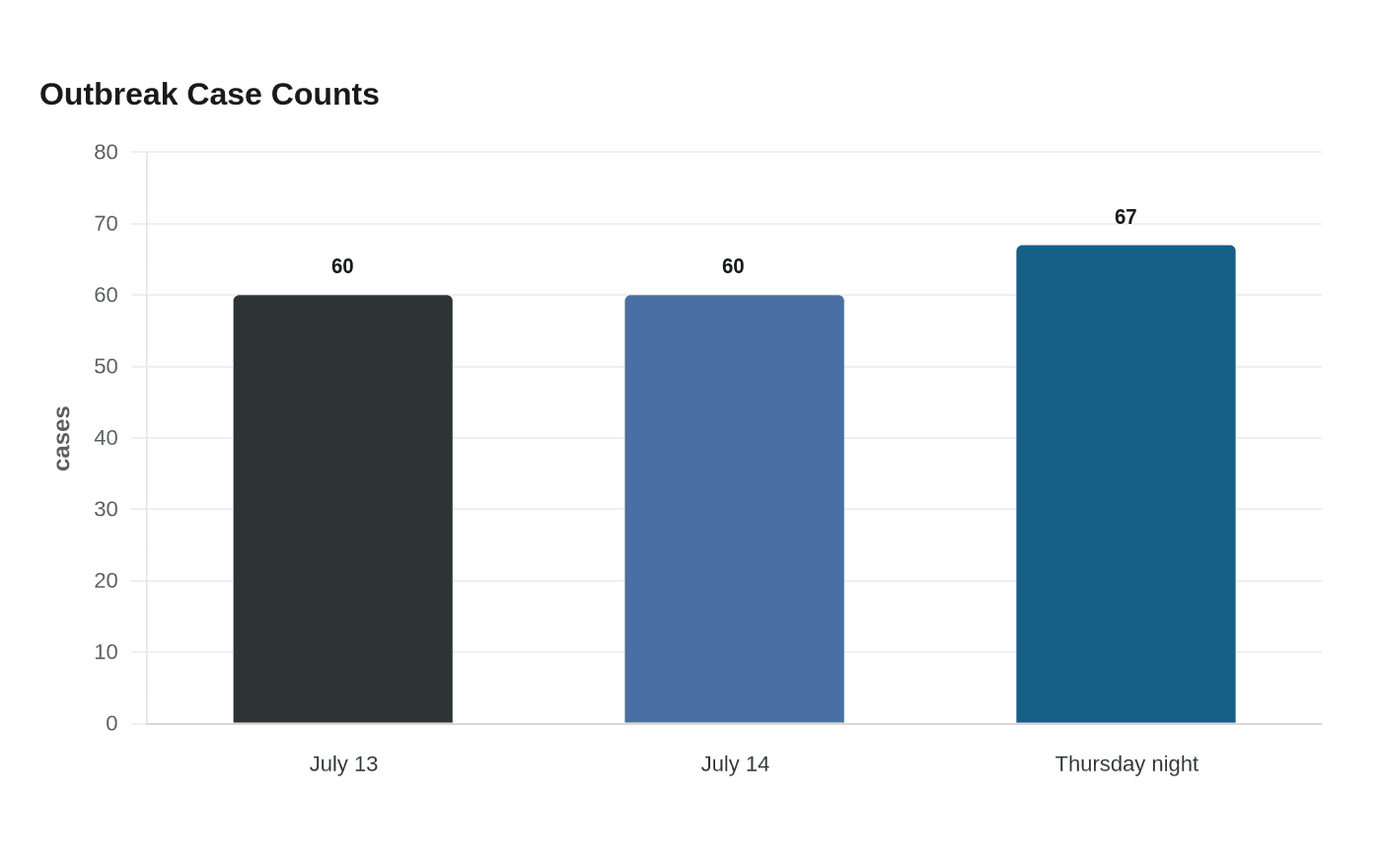
The outbreak grew quickly over several days. City officials said by July 13 there were 60 diagnosed cases and 15 hospitalizations. By July 14, the total remained at 60 as new diagnoses began to slow, but later counts reached 67 cases with 12 hospitalized by Thursday night. The city’s preliminary list of buildings ordered to clean and disinfect their cooling towers in the cluster included 31 buildings, and preliminary testing found Legionella in 76 buildings, a sign of how broad the environmental investigation had become.
The health department’s focus on a concentrated neighborhood cluster reflects how Legionnaires’ outbreaks usually spread: through building water systems, cooling towers, fountains, plumbing networks and other places where warm water can aerosolize bacteria. That means the response depends less on person-to-person tracking than on finding and cleaning the contaminated system quickly, especially in dense parts of Manhattan where many people share the same air and water infrastructure.
The city’s recent surveillance history shows why officials move fast when a cluster appears. New York typically records about 200 to 700 Legionnaires’ diagnoses a year, based on city surveillance data cited by the New York Academy of Medicine. In a city that sees the disease every year, a sudden neighborhood outbreak with a death raises the pressure to identify the source before more residents are exposed.
This article was produced by Prism’s automated news system from verified source data, official records, and press releases, then run through automated quality and moderation checks before publishing. The system is built and supervised by the people who set the standards it runs under. Read our full AI policy.
Did this article answer your question?