New York City’s oldest ice cream parlor still draws crowds
Eddie’s Sweet Shop anchors Queens’ ice cream lore, but the bigger story is how New York’s scoop shops blend history, premium branding and neighborhood identity.
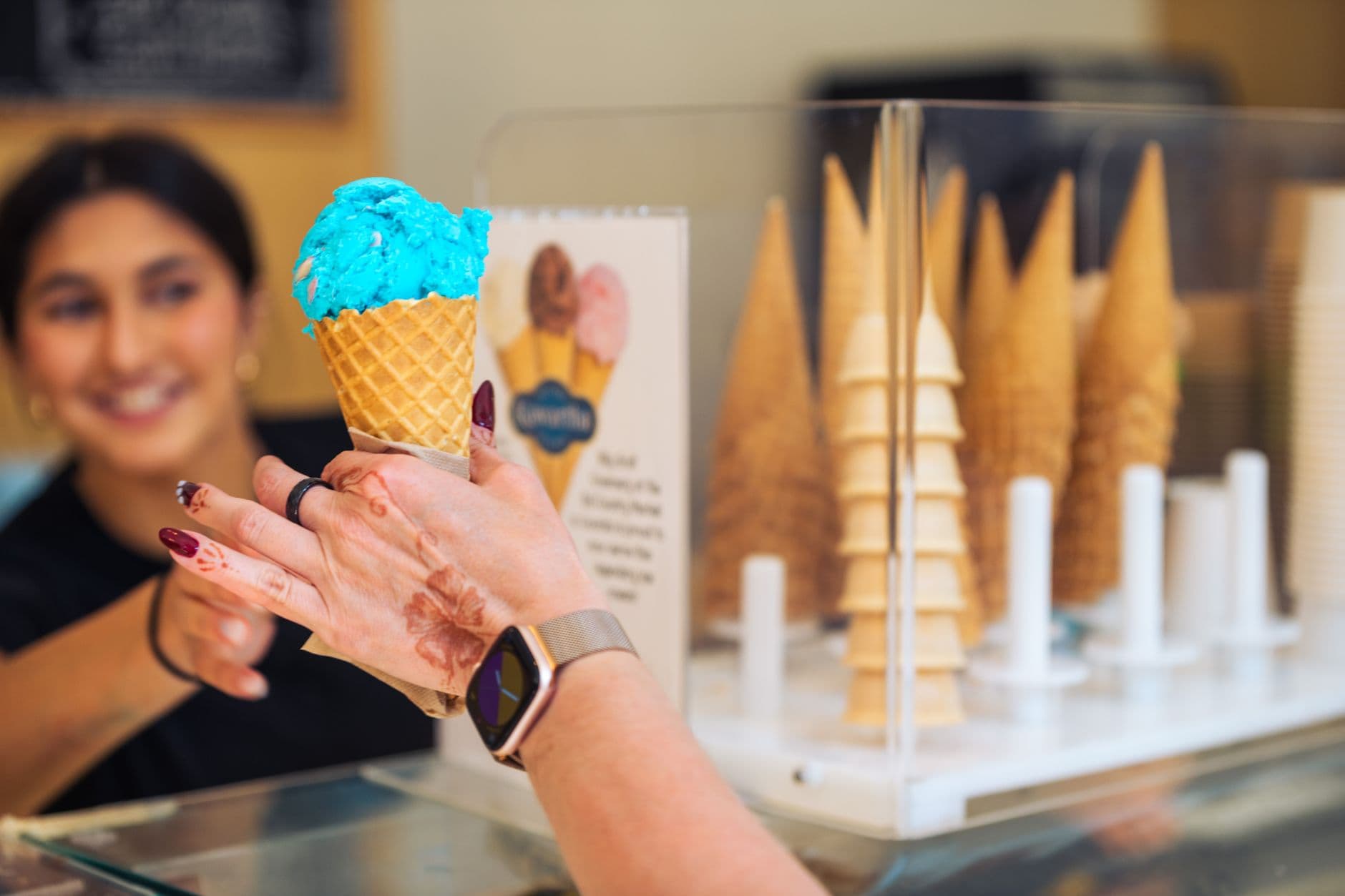
Eddie’s Sweet Shop in Forest Hills is one of New York City’s clearest links between dessert and civic memory. The parlor’s old soda-fountain look, its steady crowds, and its place in Queens food culture make it more than a stop for a scoop. It also sits inside a larger city story, one that runs from an ice cream advertisement in 1777 to a modern market shaped by neighborhood identity, summer promotions, and national brands.
A Queens parlor that still defines the old-school experience
Eddie’s Sweet Shop, at 105-29 Metropolitan Avenue in Forest Hills, is repeatedly described as New York City’s oldest ice cream parlor. One account traces it back to Witt’s in the 1920s, with the name changing in the 1960s when the Citrano family stepped in and kept the business in family hands. Another describes the shop as having had its old-fashioned feel since 1925, with original soda fountains, wooden booths, and a tin ceiling that make the room feel frozen in place.
That look is part of the draw. Local preservation coverage has described Eddie’s as the city’s longest continuously operating and most intact soda fountain establishment, which helps explain why it remains a destination rather than a relic. The shop’s longevity also ties it closely to Forest Hills itself, where neighborhood identity is strong enough that a dessert counter can function like a local landmark.

New York’s ice cream history reaches back centuries
The city’s attachment to frozen desserts predates Eddie’s by a long stretch. Ice cream was first advertised in New York in 1777, which puts the city near the start of the country’s commercial ice cream history. That early date matters because it shows how deeply the treat has been woven into New York’s food culture, not just its summer habits.
The national calendar keeps that connection visible. National Ice Cream Day is observed each July, and retailers use it as a promotional moment. In a July 15, 2024 roundup, ABC News noted that freebies and discounts would be abundant on July 21, underscoring how ice cream now sits at the intersection of nostalgia marketing and retail strategy. The product is not just a seasonal indulgence, either. The International Dairy Foods Association says U.S. ice cream makers churned out 1.23 billion gallons in 2025, with the industry carrying an $11.6 billion impact on the economy, supporting 26,704 direct jobs and generating $1.9 billion in direct wages.
How neighborhood commerce shapes the scoop shop map
In New York City, ice cream parlors are also small businesses, and that places them inside the city’s broader post-pandemic recovery. The New York City Economic Development Corporation’s May 2023 report on small business dynamism found that face-to-face businesses were helping drive the recovery, with growth in places such as the Bronx and Queens. The New York State Office of the State Comptroller’s 2024 report on business growth also pointed to how the pandemic changed business size, location, and industry mix across the city.
That context helps explain why scoop shops matter beyond flavor. They pull foot traffic in commercial corridors, absorb summer tourism, and often become shorthand for the neighborhoods they sit in. A parlor in Forest Hills, a counter in Chinatown, or a storefront in Brooklyn can function as part of the street-level economy that gives each district its own commercial identity.
The premium era of New York ice cream
The city’s modern ice cream scene is no longer defined only by old counters and chrome. Van Leeuwen Ice Cream, one of the best-known newer names in the city, says it started in a yellow truck on the streets of New York in 2008. By 2023, CNBC reported that Ben Van Leeuwen had turned a $60,000 investment into a $300,000-a-day ice cream empire, a scale that reflects how premium dessert brands can move from niche to national.
That growth helps explain why citywide recommendation lists keep returning to the same mix of brands and neighborhood institutions. Eater NY, Time Out New York, and Insider-style taste tests continue to revisit New York’s ice cream shops, including Van Leeuwen, OddFellows, Ample Hills, and Chinatown Ice Cream Factory. The recurring presence of those names shows a market that rewards both polished branding and distinct neighborhood identity.
For a national audience, that mix is the point. New York’s ice cream scene is not just a roster of places to get a cone. It is a snapshot of how immigrant-influenced food culture, nostalgia-driven interiors, premium pricing, and local loyalty now coexist in the same market. Eddie’s Sweet Shop endures because it makes that history visible in one room, while the newer brands show how the city keeps turning an everyday dessert into a business category with real economic weight.
This article was produced by Prism’s automated news system from verified source data, official records, and press releases, then run through automated quality and moderation checks before publishing. The system is built and supervised by the people who set the standards it runs under. Read our full AI policy.
Did this article answer your question?