New York congressional primary tests Mamdani's growing political influence
With 136,867 early voters already checked in, Mamdani’s Brooklyn rally became a test of whether New York progressives can turn movement energy into House seats.
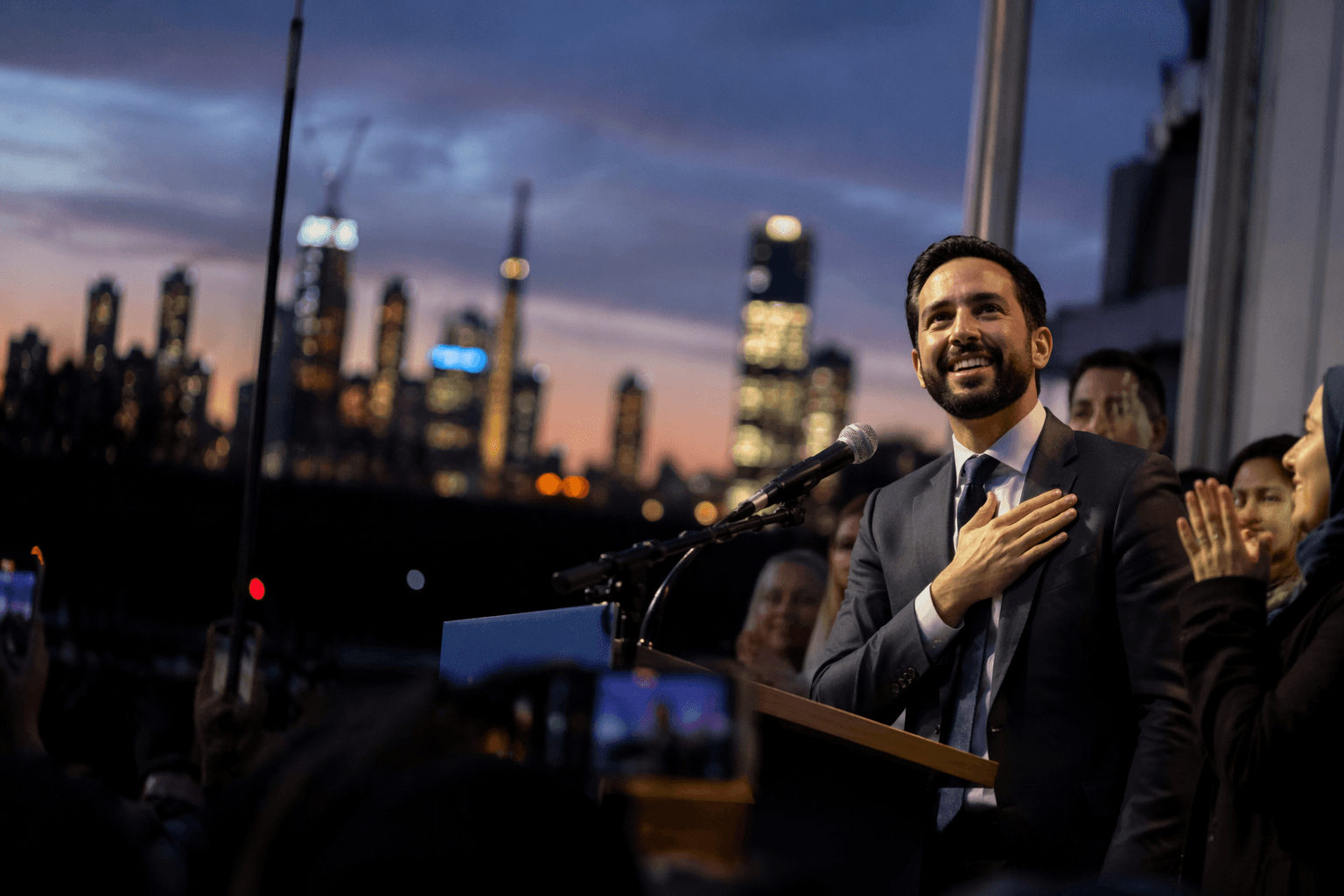
New York’s congressional candidates spent the last full day before the primary trying to lock down undecided voters and squeeze every last vote from their bases, but the bigger contest was over the city’s political center of gravity. The question was no longer just who could win the districts on the ballot. It was whether Mayor Zohran Mamdani’s rising influence could help push a younger, more left-leaning Democratic coalition into Congress.
That argument played out in Brooklyn on June 18, where Mamdani appeared with Sen. Bernie Sanders, Claire Valdez, Brad Lander and Darializa Avila Chevalier in a rally designed as a turnout engine for the progressive lane. Mamdani had already endorsed those three candidates, and the event made clear that his brand is now tied to a larger effort to turn activist energy into down-ballot power. For progressive candidates, the final message was about enthusiasm and movement politics. For establishment Democrats, it was about whether that style can hold up against incumbency, local relationships and a more cautious electorate.
The stakes were especially sharp in New York’s 13th Congressional District, which Rep. Adriano Espaillat has represented since 2017 and which covers Upper Manhattan and parts of the West Bronx, including neighborhoods such as Harlem, Inwood and Kingsbridge Heights. The race against Avila Chevalier has centered on Israel and Gaza, with Avila Chevalier attacking Espaillat’s AIPAC donations and Espaillat condemning her rhetoric and past social-media comments. In that contest, the final-day pitch was not only ideological. It was also a test of which voter blocs still matter most in a district where community ties and long-standing political relationships have often outweighed national messaging.
Turnout was the other major storyline. Early voting ran from June 13 through June 21, and the New York City Board of Elections reported 136,867 early check-ins by June 20, including 40,938 in Brooklyn. With nearly 4.7 million active voters citywide, the numbers still pointed to a primary electorate that remains relatively small, especially among younger voters. That makes the final get-out-the-vote push crucial for candidates chasing progressive organizers, younger Democrats and voters who respond to Mamdani’s insurgent style, while rivals lean on more moderate or institution-minded voters wary of upheaval.
The outcome could reverberate well beyond New York. A strong night for Mamdani-backed candidates would bolster the case that his politics can travel beyond City Hall and shape the Democratic map heading into the midterm season. If establishment candidates hold, the result would mark a clear limit on how far the city’s progressive wave can go, and who still gets to define Democratic power in New York.
This article was produced by Prism’s automated news system from verified source data, official records, and press releases, then run through automated quality and moderation checks before publishing. The system is built and supervised by the people who set the standards it runs under. Read our full AI policy.
Did this article answer your question?

