New York Governor Pushes 3D Printer Firms to Block Ghost Gun Parts
Governor Hochul's push for first-in-nation 3D printer safeguards gained momentum as two companies voluntarily agreed to block ghost gun printing.
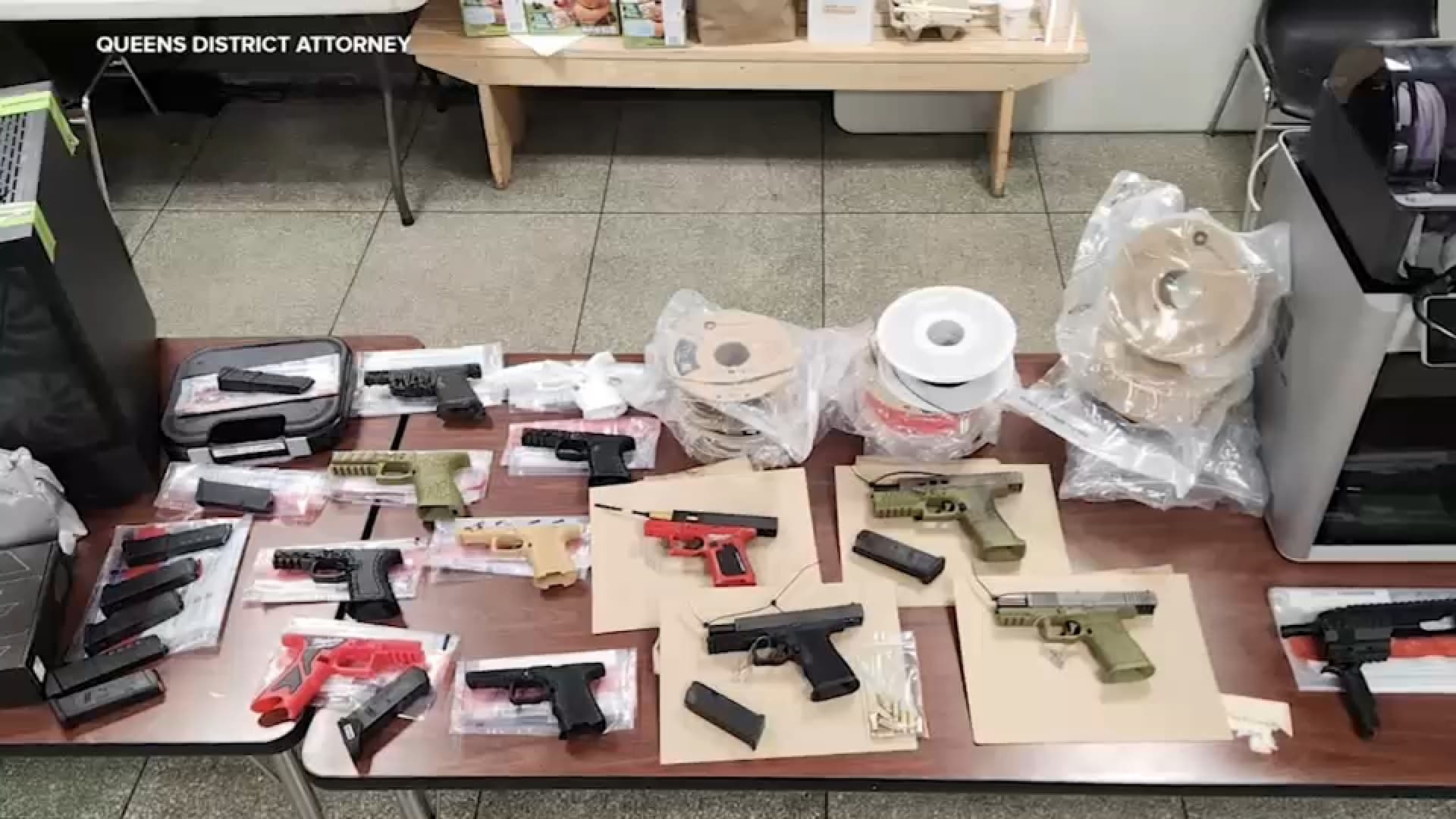
Governor Kathy Hochul's campaign to make New York the first state to legally require 3D printer manufacturers to build in gun-blocking safeguards gained unexpected traction Tuesday, when two unnamed 3D printing companies announced voluntary compliance with filtering technology, and digital design platform Thingiverse agreed to remove firearm blueprint files from its library.
The announcements, made at a press event alongside Manhattan District Attorney Alvin Bragg, crystallized both the political momentum behind the proposal and the technical questions its sponsors have yet to answer. What filtering standard would manufacturers be required to meet? Who enforces it? And when a compliant system is circumvented, who bears liability?
Bragg's office has backed an AI-driven approach: software that screens files before printing by comparing them against a database of known gun blueprints and deploying shape-recognition algorithms to flag parts that resemble firearm components. "You can't print counterfeit money," Bragg said. "We don't let you do that. So why would we let you print lethal guns?" The counterfeit-currency analogy is instructive but imperfect. Currency blocking relies on the EURion constellation, a universal geometric standard embedded in banknotes worldwide. No equivalent exists for firearm parts, which range from handgun frames to auto-sears, conversion devices as small as a Lego brick that can turn a semiautomatic pistol fully automatic, printable in hours on machines that retail for $250.
The legislation Hochul has proposed would not only mandate the filters but also criminalize unlicensed possession or sale of the CAD files used to design printable firearms. That dual-track approach has drawn pushback from the NRA-ILA, which has argued that criminalizing digital design files raises First Amendment concerns that courts applying the Supreme Court's Bruen precedent may scrutinize closely.
The underlying numbers drive the urgency. Ghost gun recoveries in Manhattan climbed from 17 in 2017 to 438 in 2024, according to Bragg's office. Across New York City, more than 1,600 ghost guns were removed from the streets between January 2022 and 2024. Statewide shootings in 2025 fell to their lowest level on record, down 60 percent from when Hochul took office in 2021. Officials have warned that the rapid proliferation of 3D-printed weapons could unravel those gains. "We've moved from the iron pipeline to really the kitchen table pipeline," Bragg said Tuesday, demonstrating how a $250 printer and a handful of parts can produce a functioning illegal weapon.
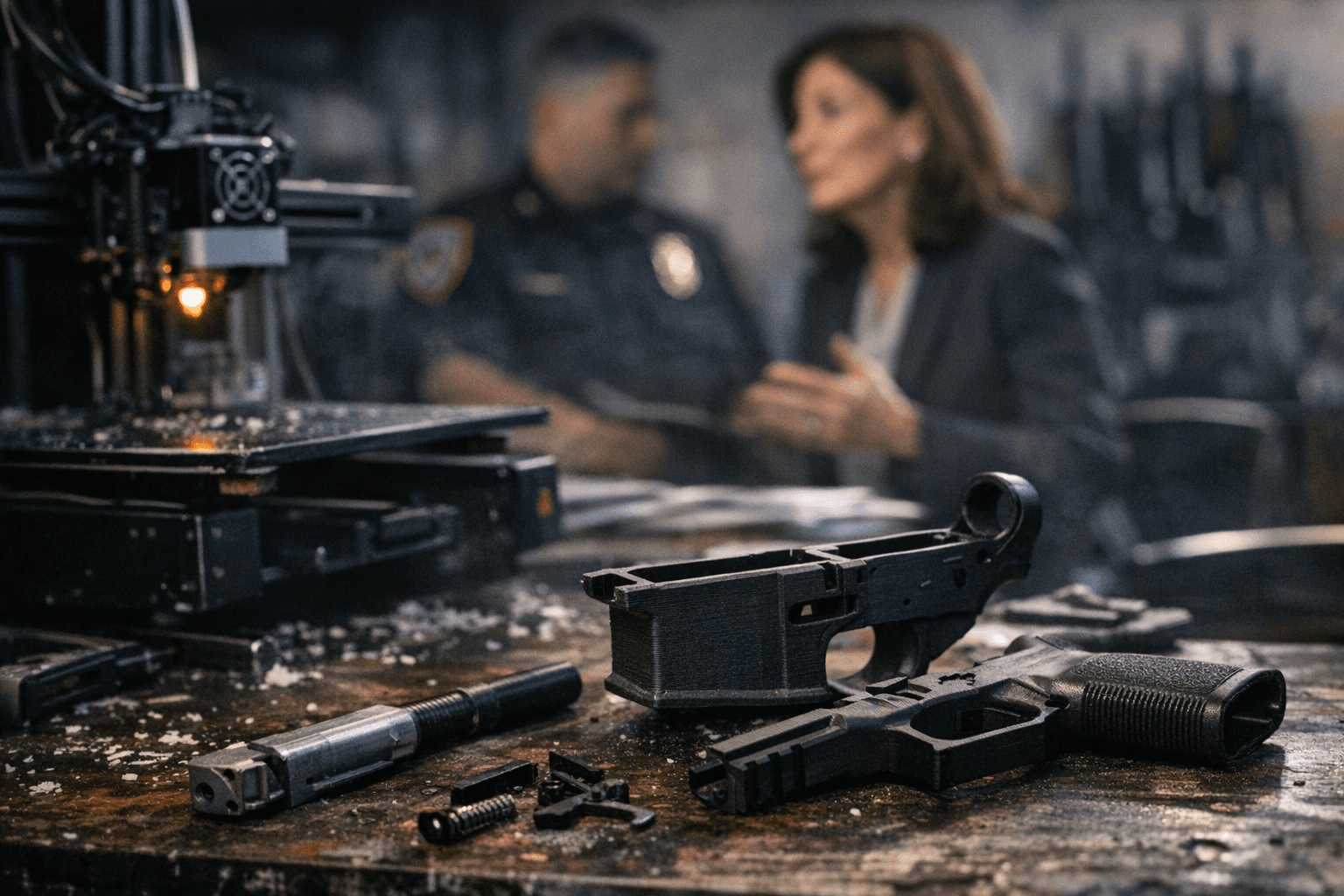
The liability questions run through both the voluntary and legislative tracks. If a certified manufacturer deploys a compliant filter and a user circumvents it, is the manufacturer still exposed? If the filter incorrectly blocks a dental prosthetic or an architectural model, who absorbs that cost? The voluntary agreements announced Tuesday suggest at least some companies view cooperation as preferable to litigation exposure. Bragg had previously sent letters threatening legal action against manufacturers whose printers were seized under Manhattan search warrants.
New York would not be entering entirely uncharted territory. Colorado, New Jersey, and Washington have each proposed or enacted related restrictions on 3D-printed firearms. But the printer-level mandate requiring embedded blocking technology before sale is a first-in-the-nation standard, and its enforceability against manufacturers headquartered outside U.S. jurisdiction remains an unresolved question.
The proposals are expected to be folded into New York's omnibus state budget package, a timeline that gives the legislation both a near-term deadline and the political weight of a must-pass vehicle. How precisely lawmakers define a compliant "safeguard" in that bill's text will determine whether the standard is a workable safety floor or a mandate without a blueprint.
This article was produced by Prism’s automated news system from verified source data, official records, and press releases, then run through automated quality and moderation checks before publishing. The system is built and supervised by the people who set the standards it runs under. Read our full AI policy.
Did this article answer your question?