New York revives pied-à-terre tax on luxury second homes
New York's revived pied-à-terre tax would hit luxury second homes in the city, but assessments and exemptions could shrink the take.

New York revived its long-running push to tax luxury second homes, betting that wealthy part-time owners can help close a city budget gap without touching broad statewide taxes. Gov. Kathy Hochul announced the proposal on April 15, 2026, and said it would target New York City second homes valued at $5 million or more, with at least $500 million a year flowing to city coffers.
The plan hinges on a valuation system that could understate what some properties are really worth. The tax would initially apply to units with a “market value” of at least $1 million, a measure that often trails actual sale prices and can leave expensive homes looking cheaper on paper than they are in the market. That gap matters because the policy is built in two steps: first, the city’s assessment system identifies homes that meet the threshold, and then the state proposal layers on a surcharge for high-end second homes. Legislators still have to settle exactly how those properties will be valued and which homes will be covered.
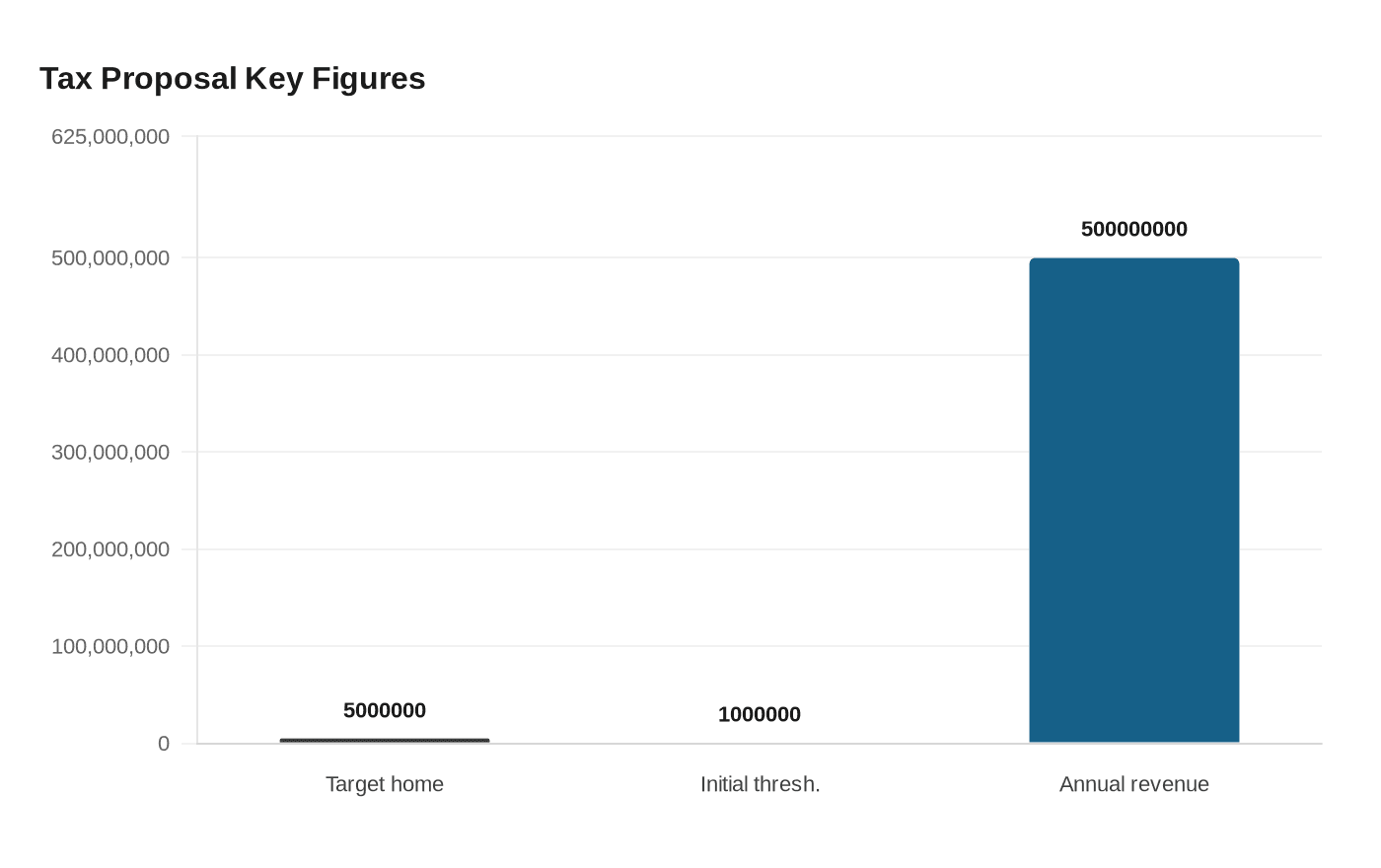
Hochul framed the measure as a charge on non-New York City residents who own expensive second homes in the five boroughs. It would not apply to other wealthy New York vacation markets such as the Hamptons, keeping the focus on Manhattan and the city’s other dense, high-priced neighborhoods. The New York City comptroller’s office has estimated that a version of the tax could raise almost exactly $500 million from a little over 11,200 properties before any adjustment for rented units or changes in owner behavior.
That last point has sharpened the political fight. City and state officials have promoted the tax as a way to help balance New York City’s books without raising income taxes on the wealthy. Critics, including prominent business leaders, Republicans and some moderate Democrats, warned that taxing luxury second homes could push some wealthy owners to leave the city altogether. The New York City chapter of the Democratic Socialists of America argued the proposal does not go far enough to address the city’s multibillion-dollar deficit or fund social programs.
The idea has been through this cycle before. New York lawmakers have tried for years to enact a pied-à-terre tax, but earlier versions repeatedly failed under heavy real estate industry opposition. This time, the proposal is being negotiated as part of a broader budget deal, with Carl Heastie, Zohran Mamdani and other legislative leaders still working through the details that will decide whether the tax becomes a meaningful new revenue source or another ambitious plan diluted by Albany compromise.
This article was produced by Prism’s automated news system from verified source data, official records, and press releases, then run through automated quality and moderation checks before publishing. The system is built and supervised by the people who set the standards it runs under. Read our full AI policy.
Did this article answer your question?

