New York Times Accuses Pentagon of Defying Federal Court Order
The Pentagon closed the historic Correspondents' Corridor and stripped media offices days after a judge ordered it to restore press credentials — prompting the Times to vow to return to court.
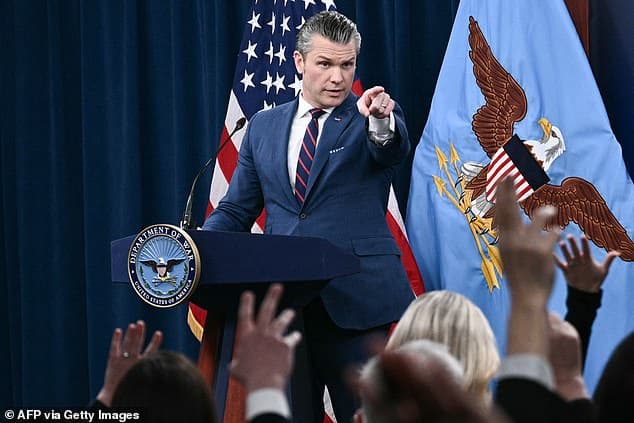
Three days after a federal judge ruled its press credentialing policy unconstitutional, the Pentagon announced it was shutting down the historic Correspondents' Corridor and expelling media offices from the building entirely — a response the Pentagon Press Association condemned as "a clear violation of the letter and spirit of last week's ruling." The New York Times, which won that ruling, said it would go back to court.
U.S. District Judge Paul Friedman in Washington, D.C., sided with the Times, ordering the Pentagon to reinstate the press credentials of seven Times journalists and striking down some of the agency's restrictions on news reporting. Friedman said the "undisputed evidence" shows that the policy was designed to weed out "disfavored journalists" and replace them with those who are "on board and willing to serve" the government, which he viewed as illegal viewpoint discrimination.
The Times had sued the Pentagon and Defense Secretary Pete Hegseth in December, claiming the agency's new credentialing policy violated journalists' constitutional rights to free speech and due process. More than 50 reporters, including from The Hill, refused to sign the agreement and were denied a press badge as a result. The seven Times journalists had surrendered their passes in October rather than submit to the policy.
In his opinion, Judge Friedman invoked the founding intent of the First Amendment directly. "A primary purpose of the First Amendment is to enable the press to publish what it will and the public to read what it chooses, free of any official proscription," he wrote, adding: "Those who drafted the First Amendment believed that the nation's security requires a free press and an informed people and that such security is endangered by governmental suppression of political speech." The judge also noted the policy gave the Pentagon unchecked authority, writing that any newsgathering "not blessed by the Department" could become grounds for revoking a journalist's credentials. He refused the Pentagon's request to suspend the ruling for a week pending appeal and gave the department one week to file a written report on its compliance.
The Pentagon's response to the ruling raised immediate questions about that compliance. An area known as "Correspondents' Corridor" that reporters had used for decades to cover the U.S. military was ordered closed immediately, with journalists told they would eventually be able to work from an "annex" outside the building "when ready," with no timeline provided. Under the revised rules, journalists would still have access to the Pentagon for press conferences and interviews arranged through the department's public affairs team, but would have to be escorted.
The Times quickly responded by arguing the decision violated the judge's order and was unconstitutional. Times spokesperson Charlie Stadtlander said in a statement: "We will be going back to court."
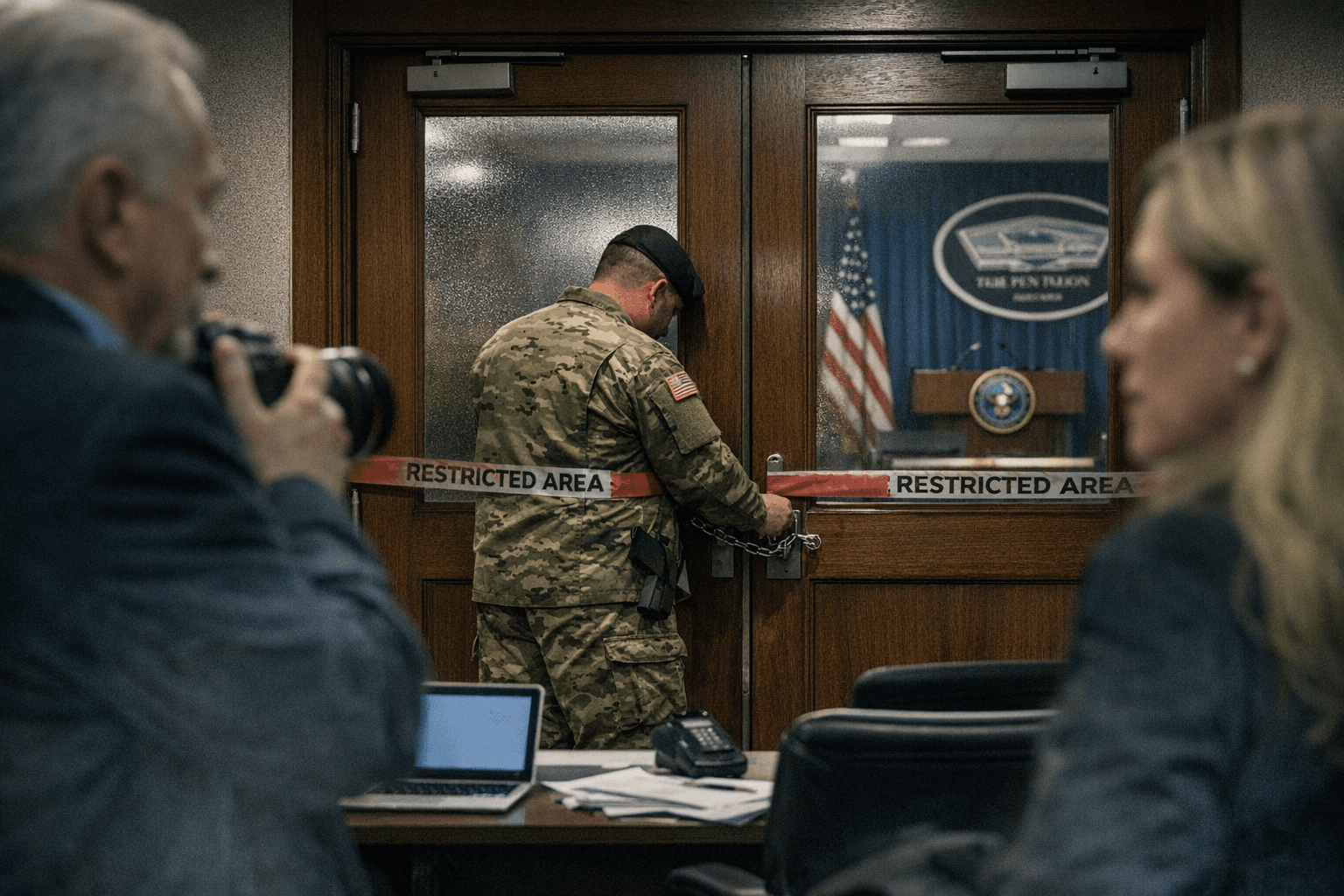
Pentagon spokesperson Sean Parnell posted on X late Friday that "We disagree with the decision and are pursuing an immediate appeal." The Defense Department determined following an assessment "that unescorted access to the Pentagon cannot be responsibly maintained without the ability to screen credential holders for security risks," Parnell said. The Pentagon had argued throughout the litigation that its policy imposed "common sense" rules to protect the military from disclosure of national security information.
Times attorney Theodore Boutrous described the original ruling as "a powerful rejection of the Pentagon's effort to impede freedom of the press and the reporting of vital information to the American people during a time of war." Stadtlander added that Americans "deserve visibility into how their government is being run, and the actions the military is taking in their name and with their tax dollars."
The current Pentagon press corps is comprised mostly of conservative outlets that agreed to the policy. Reporters from outlets that refused to consent to the new rules, including from the Associated Press, have continued reporting on the military. The AP is awaiting a decision by a three-judge panel of the U.S. District Court of Appeals on its own separate lawsuit against the Trump administration.
The Pentagon Press Association said in a Monday evening statement the new Pentagon rules are "a clear violation of the letter and spirit" of the court ruling and that it is "consulting with our legal counsel and will advise members once this process is complete." With the Times pledging to return to court and the compliance deadline still open, the confrontation between the Pentagon and the federal judiciary over press access to the nation's military headquarters is far from resolved.
This article was produced by Prism’s automated news system from verified source data, official records, and press releases, then run through automated quality and moderation checks before publishing. The system is built and supervised by the people who set the standards it runs under. Read our full AI policy.
Did this article answer your question?