New York Times-Siena poll adds synthetic past vote weighting
The Times-Siena poll now weights to synthetic past vote, aiming to match how people actually voted in 2024 and change how horse-race shifts are read.

The New York Times and Siena Research Institute have added a new weighting target called synthetic past vote to their survey model, a change designed to make the poll more representative of the electorate. Introduced with the May 18, 2026 survey, the shift is meant to line up responses more closely with how people actually voted in 2024, rather than relying only on standard demographic and turnout adjustments.
For readers tracking presidential approval and horse-race numbers, that changes the lens. A poll can look balanced on age, education and race and still miss a slice of the electorate if the sample does not match recent voting behavior closely enough. Nate Cohn, The New York Times’s chief political analyst, wrote the explanation for the adjustment, which the editors described as part of a broader effort to improve how the Times-Siena poll models the electorate after the 2024 cycle.
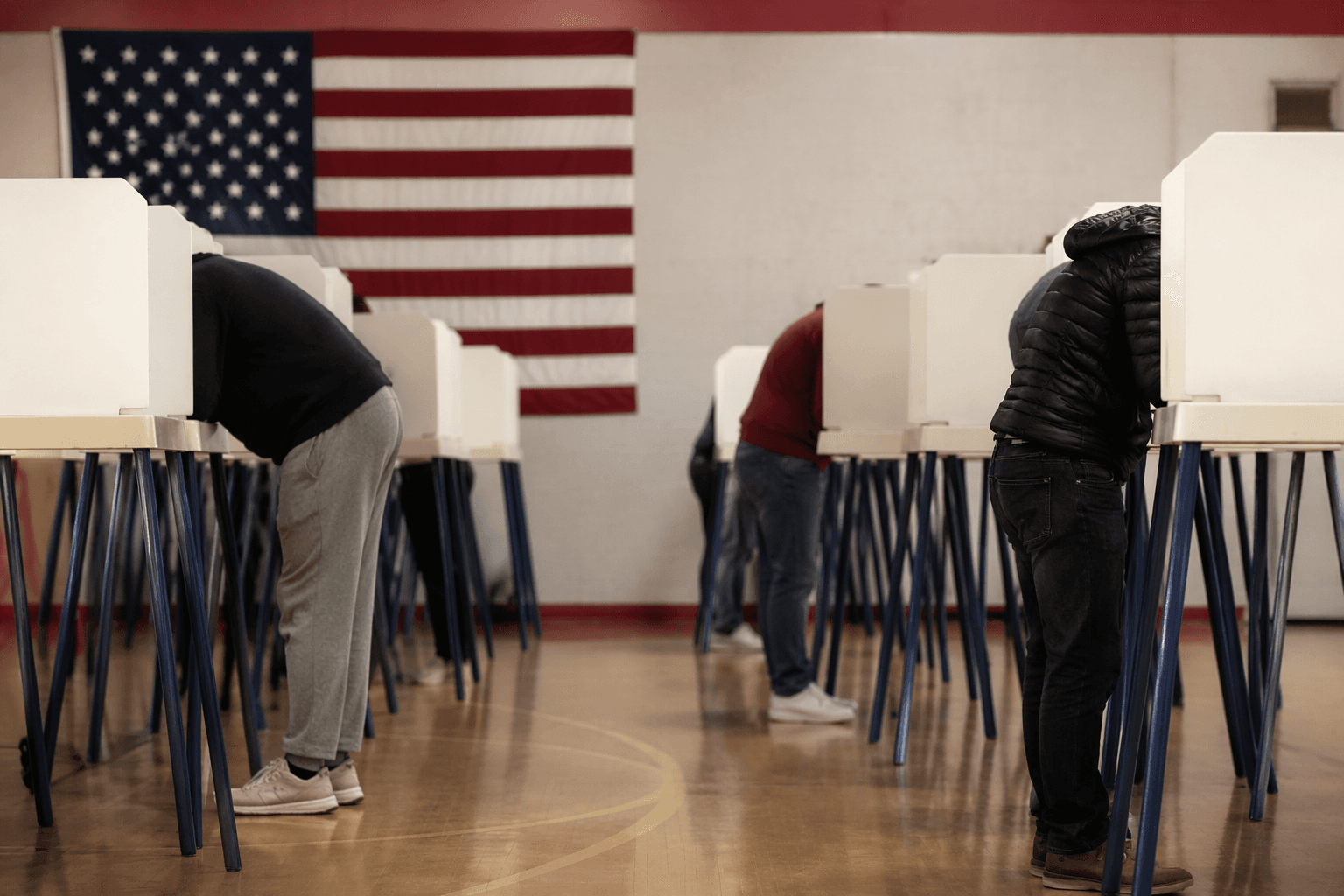
Siena’s likely-voter system already pulls from voter-registration file data and the answers respondents give during the interview to estimate who is most likely to vote. The institute says its election polling has long relied on voter-file sampling and response-rate-adjusted methods, and that it has conducted hundreds of pre-election polls over the years, from statewide races to harder local and regional contests.
The partnership remains one of the most closely watched national polling brands because it continues to publish surveys on affordability, the economy, Iran, immigration and Trump’s approval in 2026. The new synthetic past vote target is aimed at improving the depth of those results, especially when small shifts in turnout or composition can change the story that readers take from a poll.
A Siena poll release dated June 25 offered a fresh example of the institute’s methods in practice. The survey of 1,120 New York State registered voters was conducted June 17-23 and used multiple modes, including landline and cell-phone interviews, text-to-web completes and a proprietary online panel. The release said 206 interviews were completed via text to web and 458 came from the online panel, showing that Siena is still mixing modes as it tries to build samples that better reflect the population it wants to measure.
This article was produced by Prism’s automated news system from verified source data, official records, and press releases, then run through automated quality and moderation checks before publishing. The system is built and supervised by the people who set the standards it runs under. Read our full AI policy.
Did this article answer your question?

