New York’s burger scene cements its status as a national powerhouse
New York’s burger boom now spans hidden institutions, chef-built trophies and smash-burger chains, showing how taste and scale shape the city’s affordable indulgence.
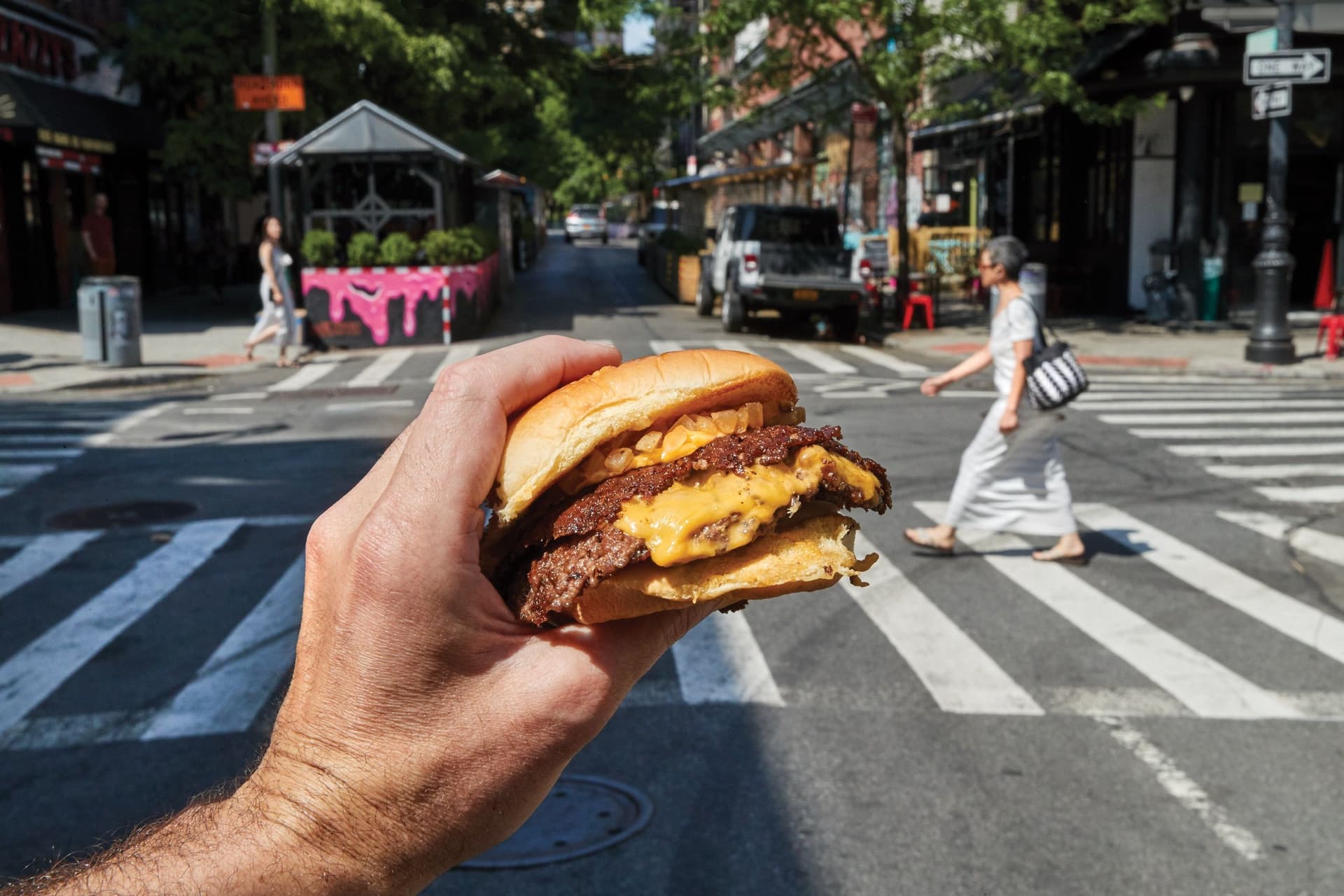
New York’s burger scene has outgrown the idea of a cheap fallback. The city now turns out hidden classics, chef-built trophies and smash burgers that scale fast enough to become mini empires, while national lists keep confirming that New York is more than a place with a lot of patties.
That matters in a market where diners are asked to justify every meal. In a city shaped by high rents, inflation and a constant need to stand out online, the burger has become one of the few dishes that can still feel both familiar and special, both everyday and worth a detour.
A city with a long burger memory
New York’s burger identity starts much earlier than the current hype cycle. Eater NY traces the first menu appearance of a hamburger in the city to 1873, at Auguste Ermisch’s German restaurant, a detail that pushes the story back into the era when immigrant dining rooms were helping define what New Yorkers would eventually call comfort food.
That long history helps explain why the city supports such different burger personalities at once. Corner Bistro still trades on its old-school permanence, saying it has been serving customers since the earlier part of this century, while newer places keep reopening the argument about what the ideal burger should taste and look like. In New York, nostalgia is not a side note. It is one of the main ingredients.
The current map is wide enough for every kind of craving
Time Out’s 2025 roundup makes clear that the city’s burger culture is no longer limited to one style or one neighborhood. Its guide spans smash burgers, fast food, high-end cheeseburgers and more, which is exactly what the market now rewards: recognizable formats that can still be pushed into new territory.
That breadth also shows up in the World’s 25 Best Burgers 2025 list, where four New York restaurants appeared, more than any other city worldwide. The number is less important as a trophy count than as a signal. New York is no longer just producing many burgers; it is producing burgers that can travel, trend and compete in a global conversation about what qualifies as a great one.
What chef-driven ambition looks like now
At the top end of the spectrum, Sip & Guzzle in the West Village shows how far the burger has moved from mass appeal into limited-edition craft. The burger there is described as being made in a run of only about a dozen patties a day, using A5 Wagyu trimmings, cured Jidori egg yolk, beef tallow and butter.
That combination tells you a lot about where New York taste has gone. Diners still want the emotional hit of a burger, but they also want the precision, scarcity and ingredient signaling that once belonged to tasting menus. In a city where a meal has to compete with both budget pressure and social-media attention, the burger becomes a compact way to deliver status without leaving the category behind.
The neighborhood burger can still become a citywide machine
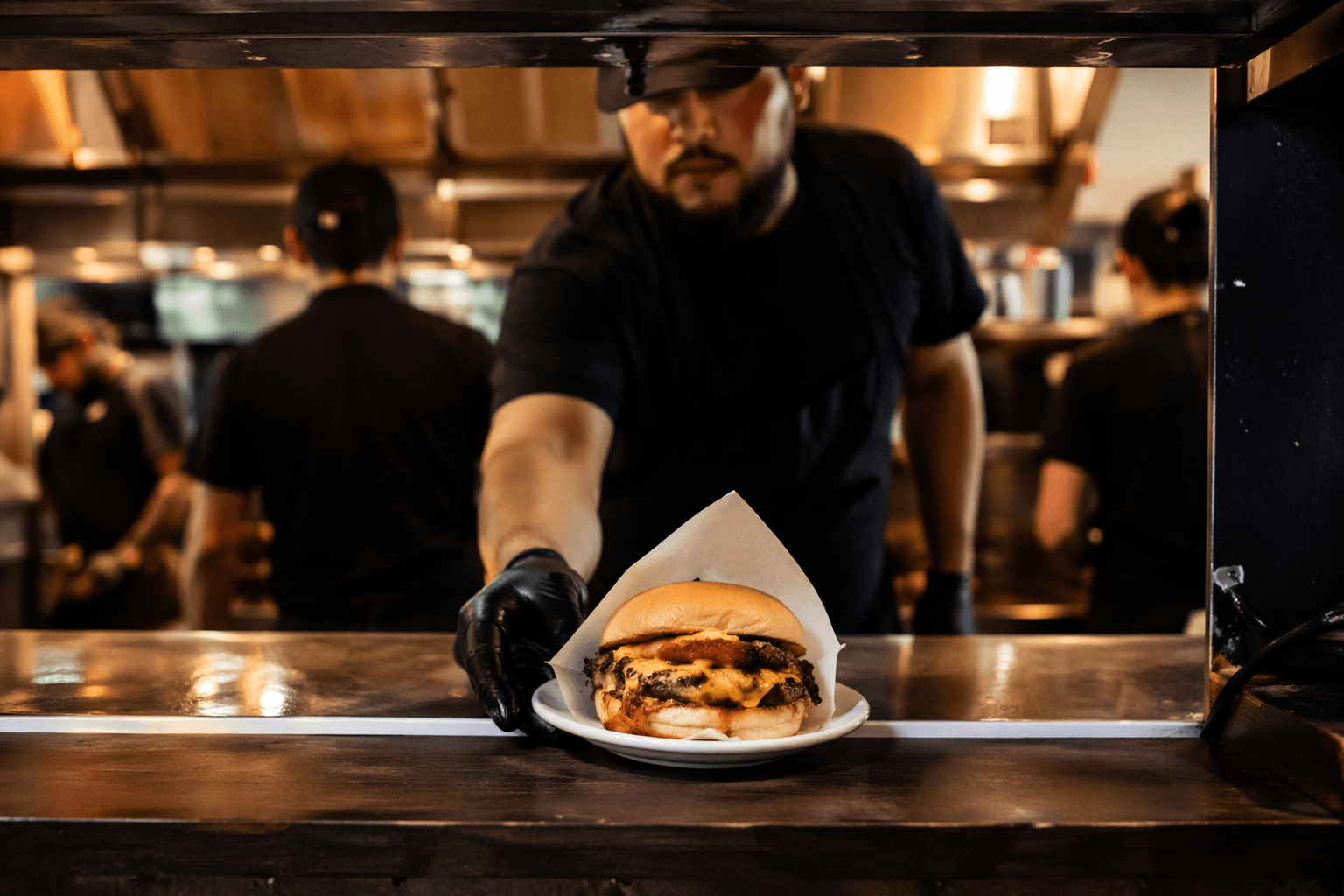
The same city that supports a tiny, ingredient-driven burger also keeps producing formats built for scale. 7th Street Burger opened its first location in the East Village in June 2021 and had expanded to 19 locations by January 2025, a pace that says as much about demand as it does about operational discipline.
That growth is part of the modern New York dining economy. A burger shop does not need a sprawling menu to become a phenomenon, and a focused concept can move quickly when it hits the right mix of price, convenience and visual appeal. Smash burgers, in particular, fit the city’s tempo: they are fast, recognizable and easy to turn into a repeat habit for office workers, late-night crowds and neighborhood regulars.
Why nostalgia keeps working
Burger Joint, which opened in 2002, remains one of the city’s signature hidden burger destinations. Its appeal is built on the kind of discovery that New York diners still love: a place that feels a little secret, a little resistant to the polished logic of modern hospitality, and just theatrical enough to become part of the story.
That hidden-spot model has enduring power because it gives a burger a plot. A diner is not only buying beef, cheese and bun; they are buying the pleasure of finding the room, sharing the location and returning to a place that feels like it belongs to the city’s internal map. In a crowded market, that kind of memory can matter as much as seasoning.
How to read the city’s burger boom now
The best way to understand New York’s burger scene is to see it as a snapshot of the city’s broader dining economy. A burger can now be a neighborhood staple, a chef’s flex, a global list contender or a chainable smash patty, sometimes all at once. The fact that New York can support Corner Bistro, Burger Joint, Hamburger America, Sip & Guzzle and 7th Street Burger in the same ecosystem says the market is still large enough to reward both tradition and speed.
Hamburger America captures the historical side of that equation cleanly. Founded in 2023 by burger scholar George Motz, the restaurant at 51 MacDougal Street in SoHo, Manhattan, is built as an homage to hamburger history rather than a nostalgia exercise alone. That makes it a useful marker for the city right now: New York is not just preserving the burger, it is curating it.
The result is a scene where “great” no longer means one thing. It can mean a decades-old room that still draws regulars, a hidden destination that became part of the urban mythology, a fast-expanding smash-burger chain or a West Village counter making only a handful of heavily engineered patties a day. In New York, the burger has become one of the clearest ways to see how taste, money and city life are changing together.
This article was produced by Prism’s automated news system from verified source data, official records, and press releases, then run through automated quality and moderation checks before publishing. The system is built and supervised by the people who set the standards it runs under. Read our full AI policy.
Did this article answer your question?
%3Amax_bytes(150000)%3Astrip_icc()%3Afocal(749x0%3A751x2)%2Ftaylor-swift-travis-kelce-04-082625-dd0c5f64b2b14a55adaf90b25cd0aae6.jpg&w=1920&q=75)