New Zealand activist challenges law shielding emitters from climate liability
Mike Smith has taken New Zealand to court over a law change that would block climate tort claims against major emitters, including his own case.
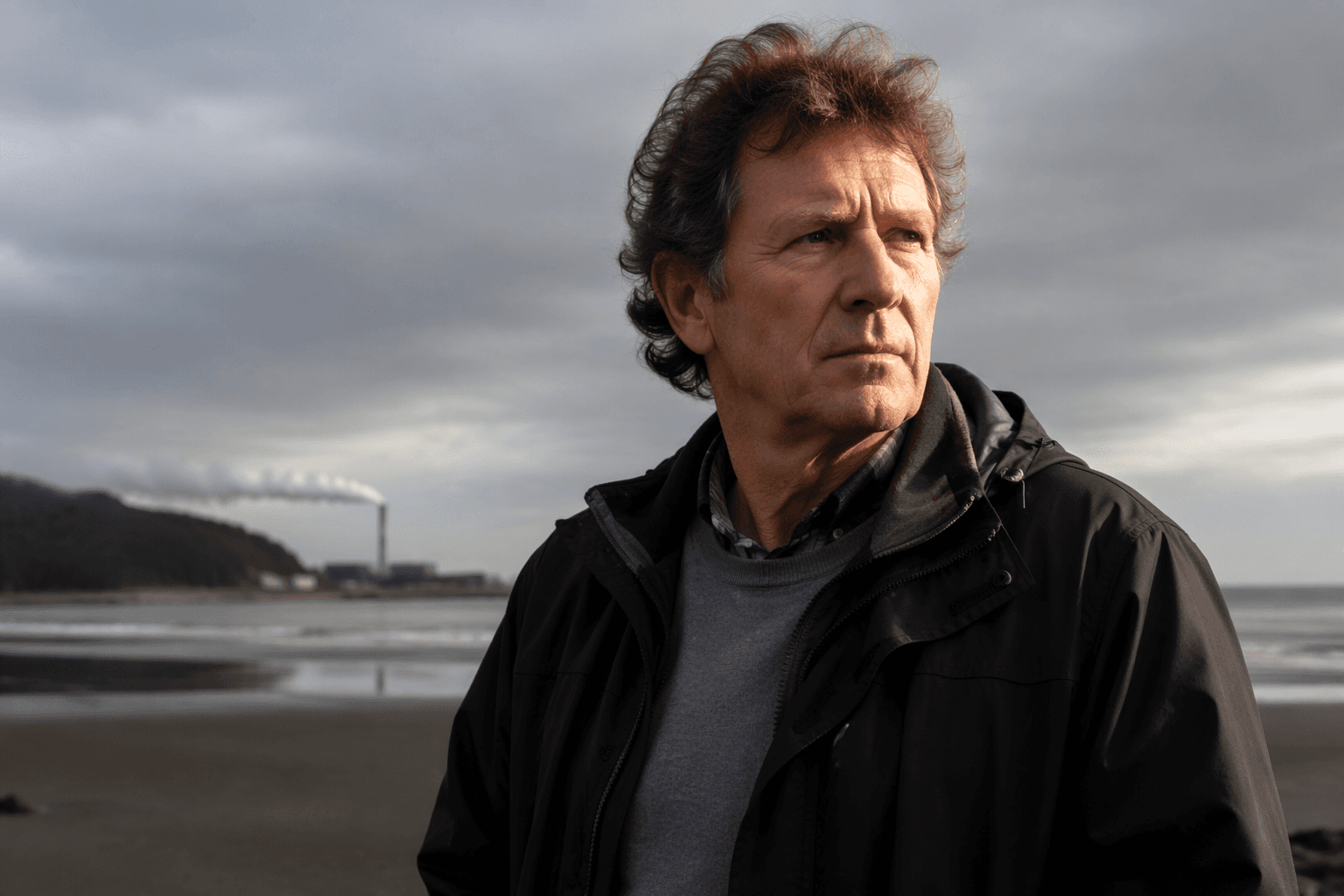
Mike Smith filed a High Court judicial review on June 28, challenging a government plan to rewrite New Zealand’s climate law so companies cannot be sued in tort for damage tied to greenhouse-gas emissions. The Maori elder and climate-change spokesperson for the Iwi Chairs Forum is asking the court to declare unlawful both Justice Minister Paul Goldsmith’s announcement and the Cabinet decision behind it.
The proposed change would amend the Climate Change Response Act 2002 to stop courts from finding emitters liable in civil claims for climate-related harm. It would not just apply to future disputes. It would also reach current litigation, including Smith’s own case against six of the country’s biggest emitters: Fonterra, Genesis Energy, Dairy Holdings, New Zealand Steel, Z Energy and BT Mining.
Smith’s challenge lands after a long legal fight over the underlying claim. The Supreme Court of New Zealand reinstated his case on February 7, 2024, sending it back to the High Court for trial. Reuters has reported that the original claim is scheduled to go to trial in 2027, making the government’s move especially consequential because it would affect a live case that was edging toward a full hearing.
Goldsmith has defended the law change as a way to reduce uncertainty for business confidence and investment. He has said climate obligations should be handled through Parliament, the Emissions Trading Scheme and existing climate legislation rather than through the courts. The Ministry of Justice has said the government wants to preserve the coherence of the regulatory system and deliver consistent obligations for greenhouse-gas emitters.
The legal and political reaction has been sharp. Greenpeace Aotearoa called the move a “shocking abuse of executive power.” Legal experts quoted by the Science Media Centre warned that it could undermine the rule of law and the separation of powers, a concern sharpened by the fact that the change would reach into an active case rather than merely shape future disputes.
The fight now has wider significance than one lawsuit in Wellington. Governments in Europe, the United States and Australia are also wrestling with climate litigation that tries to pin costs on companies linked to emissions. If New Zealand succeeds in rewriting the rules midstream, it could give other governments a model for shielding emitters from liability and force a new debate over how far legislatures can go in closing courts to climate claims.
This article was produced by Prism’s automated news system from verified source data, official records, and press releases, then run through automated quality and moderation checks before publishing. The system is built and supervised by the people who set the standards it runs under. Read our full AI policy.
Did this article answer your question?