New Zealand Opens Talks with Allies to Replace Aging Frigates
New Zealand has opened talks with Australia and Britain on its next frigates, tying a fleet replacement to wider Indo-Pacific security and alliance choices.
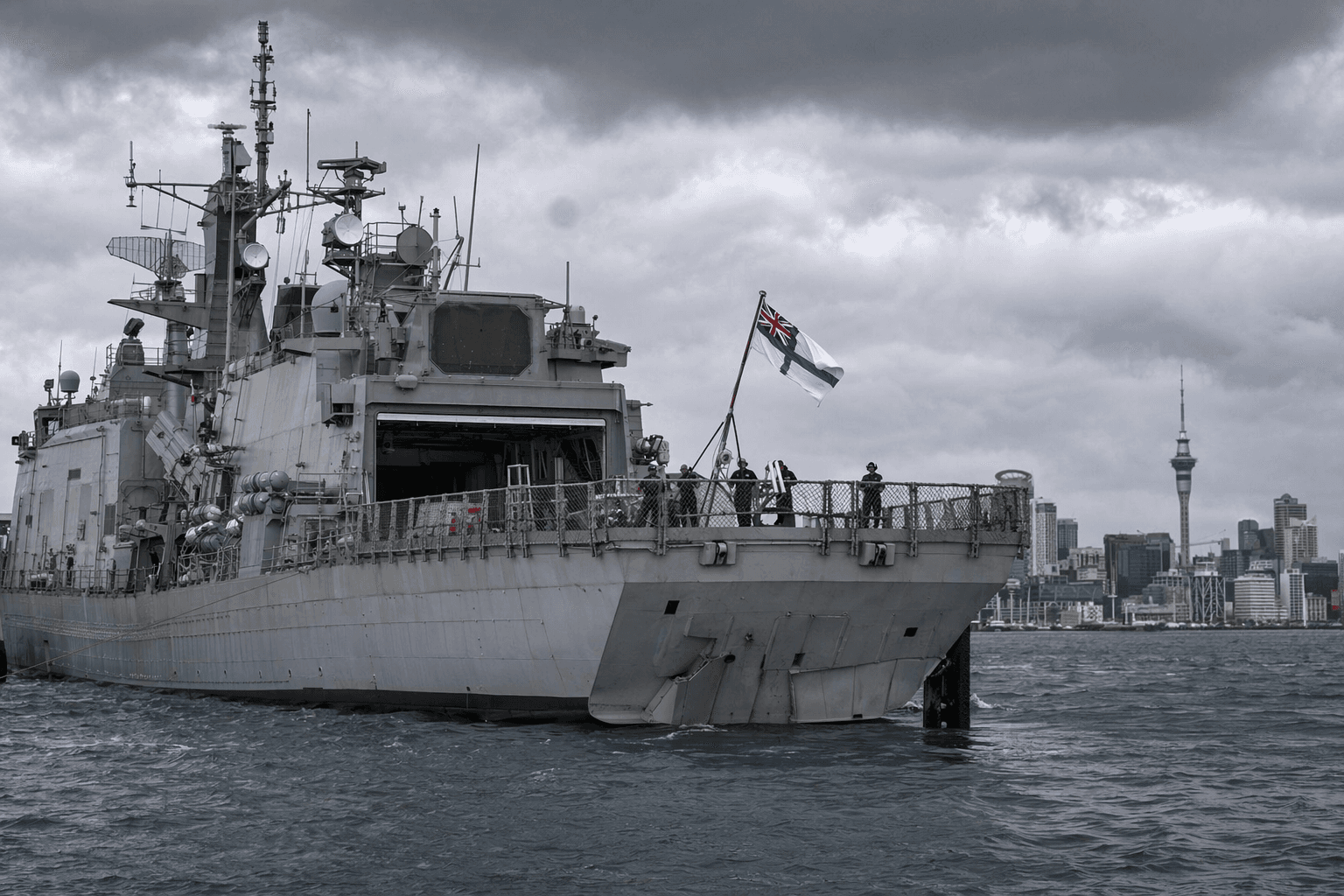
New Zealand has opened formal talks with Australia and Britain over who will help shape the Royal New Zealand Navy’s next frigate fleet, a decision that will reach far beyond shipbuilding and into the country’s long-term place in the Indo-Pacific security order.
Defence Minister Chris Penk said advice on the preferred replacement path was expected to reach the government by the end of 2027, as Wellington weighs Japan’s Mogami-class frigate, which Australia has already chosen, alongside Britain’s Type 31. The choice will determine not only the navy’s next major combat vessel, but also how closely New Zealand aligns its industrial, operational and strategic ties with key partners.
The pressure to move now is driven by age, not urgency alone. The two Anzac-class frigates, HMNZS Te Kaha and HMNZS Te Mana, were commissioned in 1997 and 1999 and remain New Zealand’s main maritime combat capability. The navy says they help protect New Zealand, its exports, maritime resources and those of allies. Technical studies show the ships can be kept in service to the mid-2030s through a Frigate Sustainment Programme, beyond their original 30-year design life, but the broader fleet is also approaching the end of its design life in the same period.
The replacement effort sits inside the government’s 2025 Defence Capability Plan, a 15-year rebuilding programme that sets aside $12 billion over the next four years, including $9 billion of new spending. Officials say defence spending will rise to more than 2% of GDP within the next eight years, a sharp signal that Wellington intends to reverse years of underspend and build a more combat-capable force.
For New Zealand, the decision is as much about geography as hardware. The government has warned that without replacement, the navy’s ability to protect maritime interests in the Pacific and beyond would be significantly affected. That matters in a region where strategic competition, sea-lane security and climate-related disasters increasingly overlap, and where a small state must decide how much capability it can preserve on its own and how much it must buy through partnership.
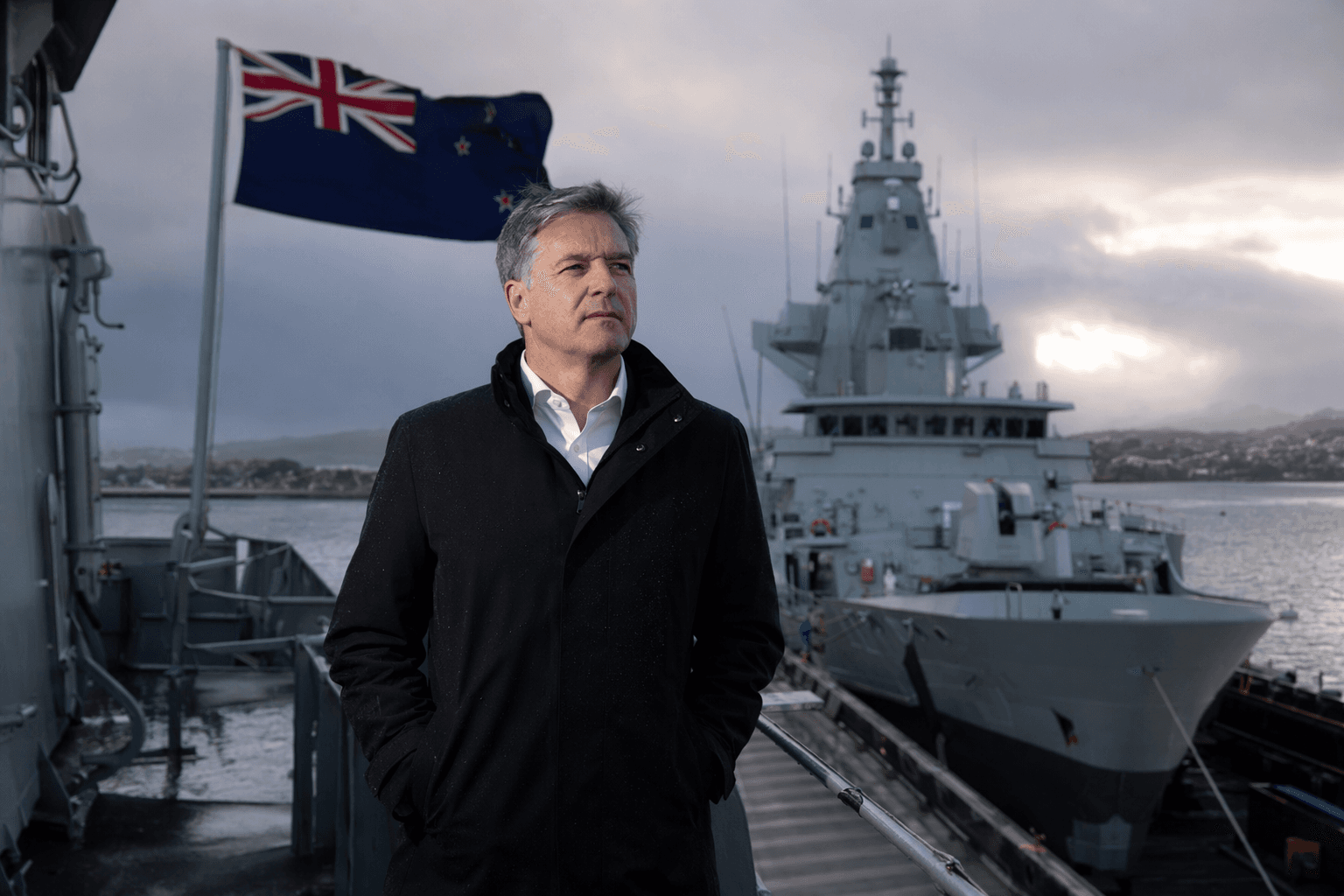
Penk’s own background gives the talks extra weight. He previously served in the Royal New Zealand Navy, including on HMNZS Te Kaha. The diplomatic architecture around the decision has also been laid in advance. New Zealand and Britain updated their defence cooperation statement in 2025 and said they would explore closer cooperation on common equipment and defence supply chains. New Zealand and Japan signed a defence cooperation statement in the Pacific in June 2023 covering maritime security, humanitarian and disaster relief, Women, Peace and Security, and climate-related capacity building.
Australia’s selection of the upgraded Mogami-class frigate in 2026 has added another reference point for Wellington. However the final choice lands, it will help define New Zealand’s maritime posture, its alliance habits and its ability to operate in an increasingly contested Indo-Pacific for decades to come.
This article was produced by Prism’s automated news system from verified source data, official records, and press releases, then run through automated quality and moderation checks before publishing. The system is built and supervised by the people who set the standards it runs under. Read our full AI policy.
Did this article answer your question?