Newman's Brew Launches Made-to-Order Organic Roasts Supporting Animal Welfare
Newman's Brew launched made-to-order organic roasts timed to orders and will donate a portion of proceeds to abandoned animal feeding and welfare programs.
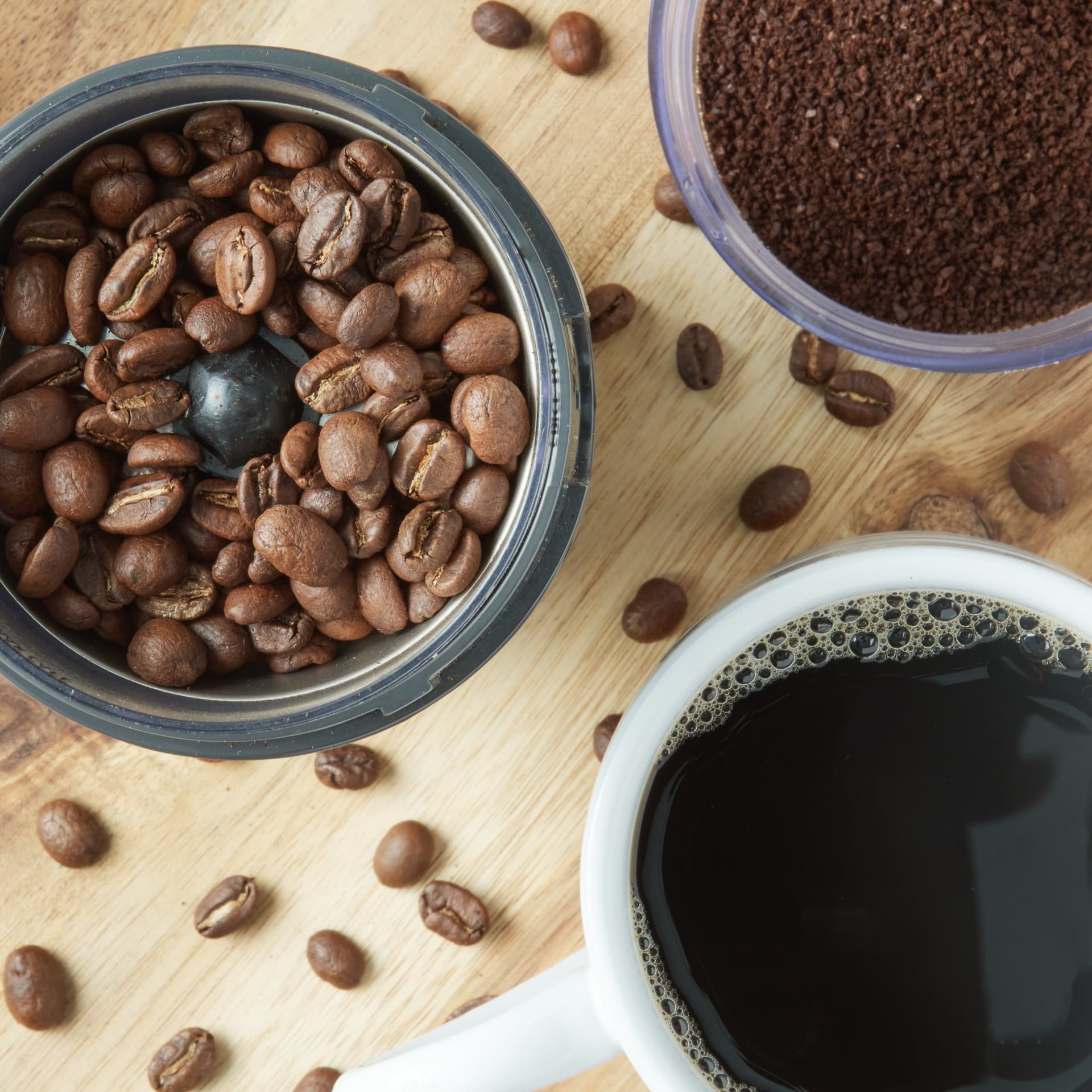
Newman's Brew has rolled out a made-to-order roasting model for organic beans that times small-batch roasts to customer orders, promising peak flavor and aroma while directing part of sales to abandoned animal feeding and welfare programs. The move blends specialty coffee techniques with values-driven purchasing, and it aims to give home brewers and cafes fresher options that align with ethical priorities.
The launch, which took place on January 17, 2026, centers on per-order profiling. Each bag is roasted to order in small batches, with the company offering both single-origin and blend options. That approach is designed to capture volatile aromatics and preserve the nuance that coffee lovers chase - the bright top notes from lighter profiles, the sweetness that develops in single-origin lots, and the balanced complexity that comes from carefully timed roast curves.
For everyday drinkers and community roasters, the practical value is straightforward: roast-to-order beans reach customers closer to their peak freshness window. That can translate to more pronounced flavors in pour-overs, more consistent crema in espresso, and fuller aromatics in cupping sessions. Values-driven shoppers get that sensory payoff while supporting a philanthropic tie-in; a portion of proceeds is earmarked for feeding and welfare programs for abandoned animals, integrating consumer choice with local impact.
The per-order model is not without operational friction. Roasting per order increases complexity in scheduling, profiling, and logistics compared with bulk production. Small-batch profiling per order requires tighter inventory control, more nimble roast scheduling, and careful management of ship times so customers receive beans after roast dates that maximize freshness. Those logistical challenges may influence lead times and pricing as Newman's Brew scales, and they represent a test case for other specialty roasters considering similar offerings.
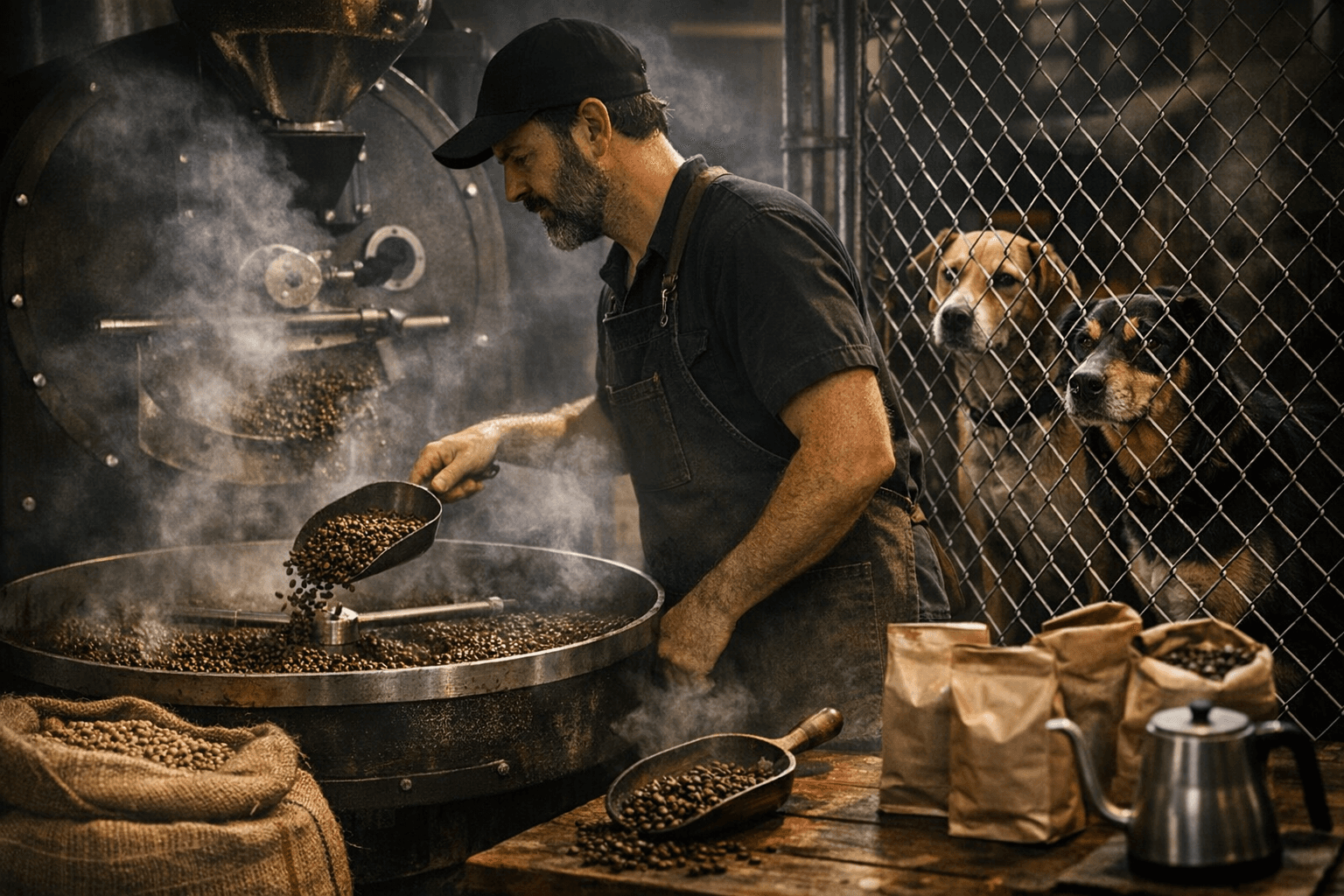
Community implications extend beyond individual cups. Local cafes and home roasters watching this launch will be evaluating whether roast-to-order can be sustainable at scale and whether consumers will prioritize roast date precision along with ethical sourcing. Single-origin lovers and blend loyalists both get options, and the focus on organic sourcing reinforces a market trend toward traceability and environmental stewardship.
For readers, the takeaway is that roast-to-order is becoming an accessible way to get fresher, more expressive coffee while supporting animal welfare efforts. Expect to see more roasters experiment with per-order models and watch for how Newman's Brew handles order windows and shipping so you can time purchases for peak freshness.
Sources:
Know something we missed? Have a correction or additional information?
Submit a Tip