Newsom directs $46 million to clean polluted Tijuana River
Border residents have lived with sewage-stink closures for years; Newsom's $46 million push will be judged by whether beaches, air and bacteria readings actually improve.

Raw sewage, industrial waste and trash have turned the Tijuana River into a lasting public-health threat for border communities, with beaches closed, foul odors lingering and health warnings becoming routine. The latest state money is intended to ease that burden, but the real test is whether it produces measurable relief in places that have spent years living with the spillover.
Gov. Gavin Newsom announced on Thursday, June 11, that California is directing $46 million in voter-approved Proposition 4 money toward cleanup efforts at the California-Mexico border. Proposition 4, approved by voters in 2024, is the state’s $10 billion climate bond, and at least 40 percent of its funding is supposed to benefit communities with lower incomes or communities affected by environmental changes or disasters. State officials say the money will support bacteria reduction, trash removal, health mitigation and restoration in the Tijuana River watershed.
The scale of the problem is far larger than the new allocation. Since 2018, the river has carried more than 100 billion gallons of raw sewage, industrial chemicals and trash, according to the International Boundary and Water Commission. That pollution has affected tens of thousands of people on both sides of the border, including residents in San Diego County and nearby communities such as Imperial Beach, San Ysidro and Coronado. County health materials say hydrogen sulfide is the main gas behind the sewage-like odor people report, and county beach monitoring posts warning signs when bacteria levels exceed state standards.
San Diego County’s environmental dashboard tracks hydrogen sulfide, beach closures and air-quality complaints, underscoring how the crisis extends beyond wastewater into daily life. The county’s public-health guidance says contaminated water at affected beaches is posted when bacteria levels cross state thresholds, a reminder that the problem is not simply an environmental nuisance but a direct recreation and health issue.
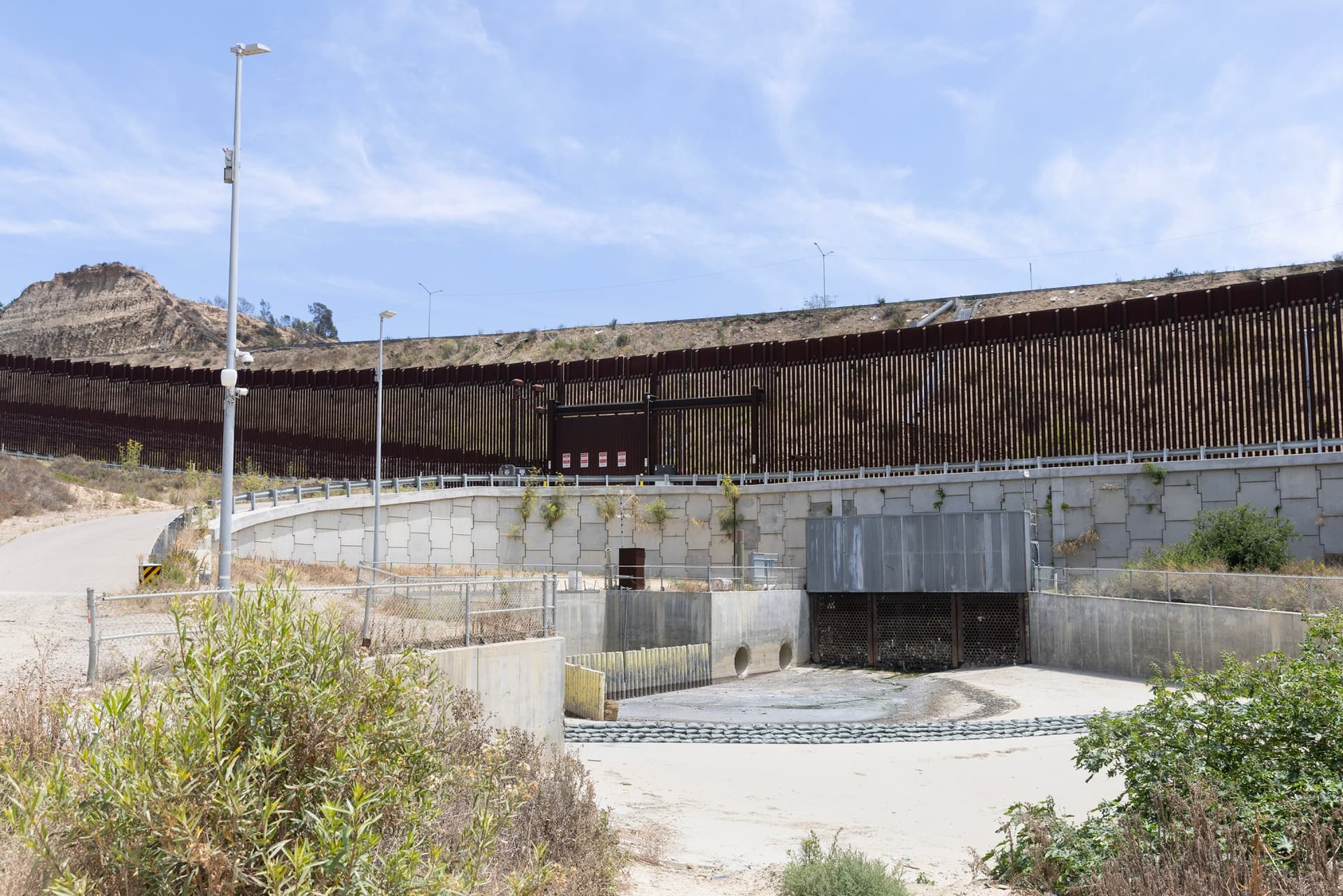
The funding comes as U.S. and Mexican authorities continue a parallel binational repair effort. On December 15, 2025, the two countries signed Minute 333, a new agreement calling for infrastructure projects, enhanced monitoring and planning for operations and maintenance that reflect Tijuana’s future population growth. The U.S. Environmental Protection Agency says the United States committed $300 million in 2020 under the United States-Mexico-Canada Agreement to identify infrastructure solutions, and Mexico began rehabilitating the Parallel Gravity Main in November 2025 with $8.9 million secured. EPA says that project is expected to finish in July 2026, with later phases targeted for mid-2027 and December 2027, and that the completed work is meant to prevent 10 million gallons per day of effluent from reaching the Tijuana River.

That makes Newsom’s $46 million both a practical down payment and a test of accountability. If the state’s share does not begin to move bacteria counts, reduce odors and ease beach closures, residents will still be waiting for the relief they have been promised for years.
This article was produced by Prism’s automated news system from verified source data, official records, and press releases, then run through automated quality and moderation checks before publishing. The system is built and supervised by the people who set the standards it runs under. Read our full AI policy.
Did this article answer your question?

