NFU chief urges government action on extreme weather and food supply
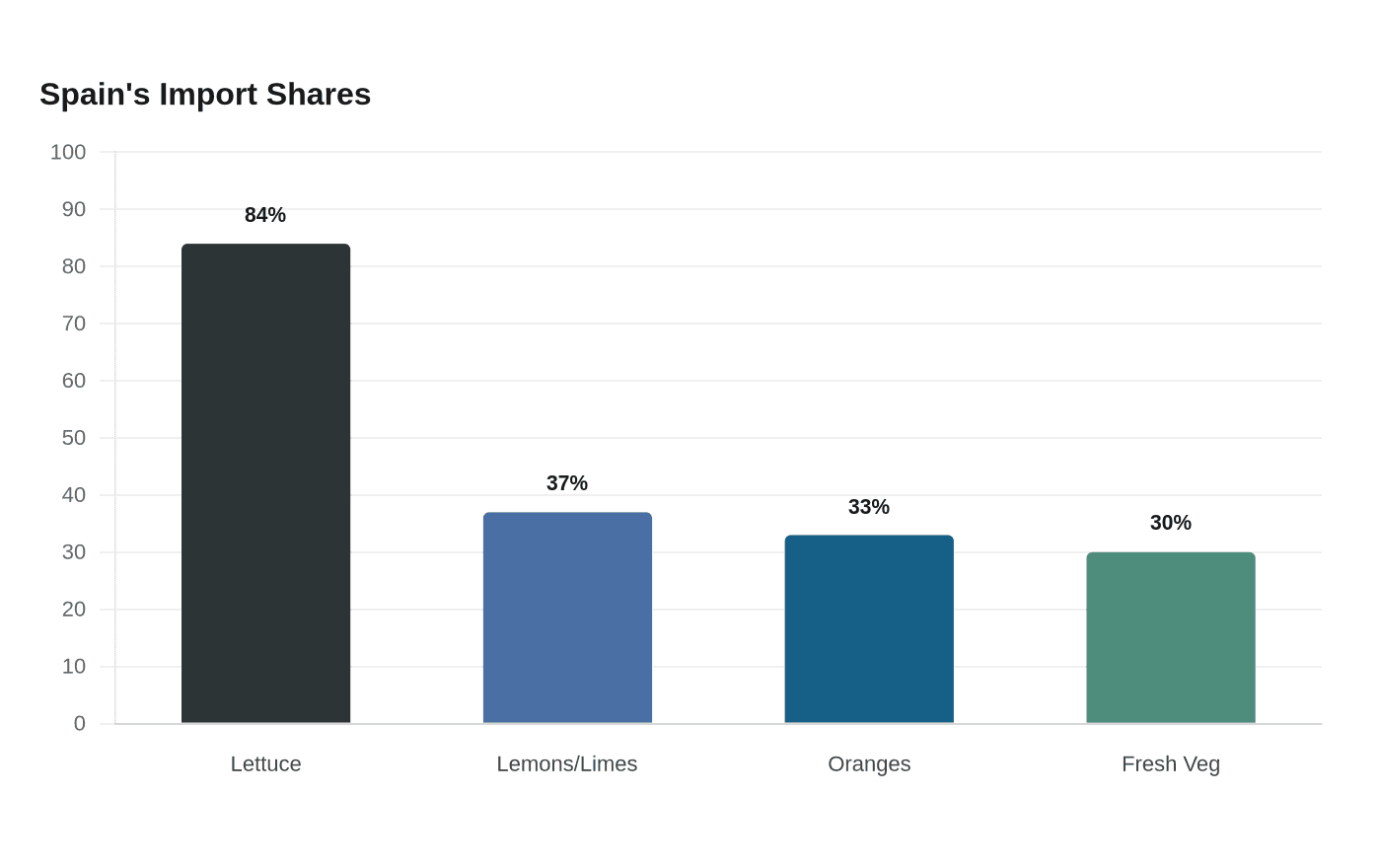
Drought could cut choice and lift prices for shoppers: Spain supplied 84% of UK lettuce imports in 2023, even as England’s soils turned drier than normal.
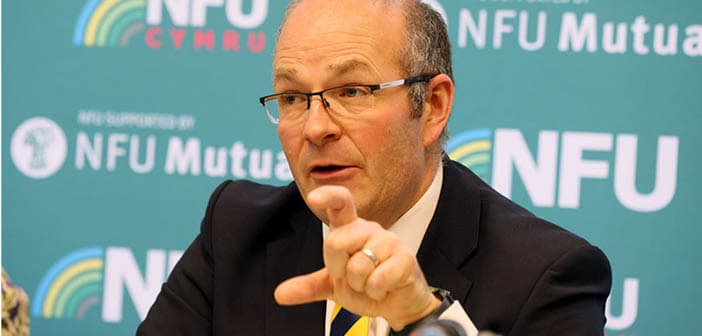
NFU president Tom Bradshaw has urged ministers to act on extreme weather before drought moves from parched fields to supermarket shelves, tightening choice and lifting prices for households. New data show Britain’s food supply is exposed to weather shocks at home and abroad.
The UK Health Alliance on Climate Change puts imports at almost half of the country’s food supply and says 78% of fruit and vegetables come from overseas. Defra’s UK Food Security Report 2024 records that in 2023 Spain supplied 84% of total UK lettuce imports, 37% of lemons and limes, 33% of oranges and 30% of fresh or chilled vegetables. The report also puts the average share of UK food, feed and drink imports entering through the Short Straits at 18%; disruption there could quickly feed through to availability and prices.
Bradshaw has made water security central to his leadership. At NFU Conference on 25 February 2025, he called for a new course for British food and farming. In April 2023, Bradshaw said Defra’s water plan addressed some of the current and future water challenges facing farm businesses. On 24 February 2026, he said: “In times of drought, our ability to feed a growing population relies on access to a secure supply of water.”
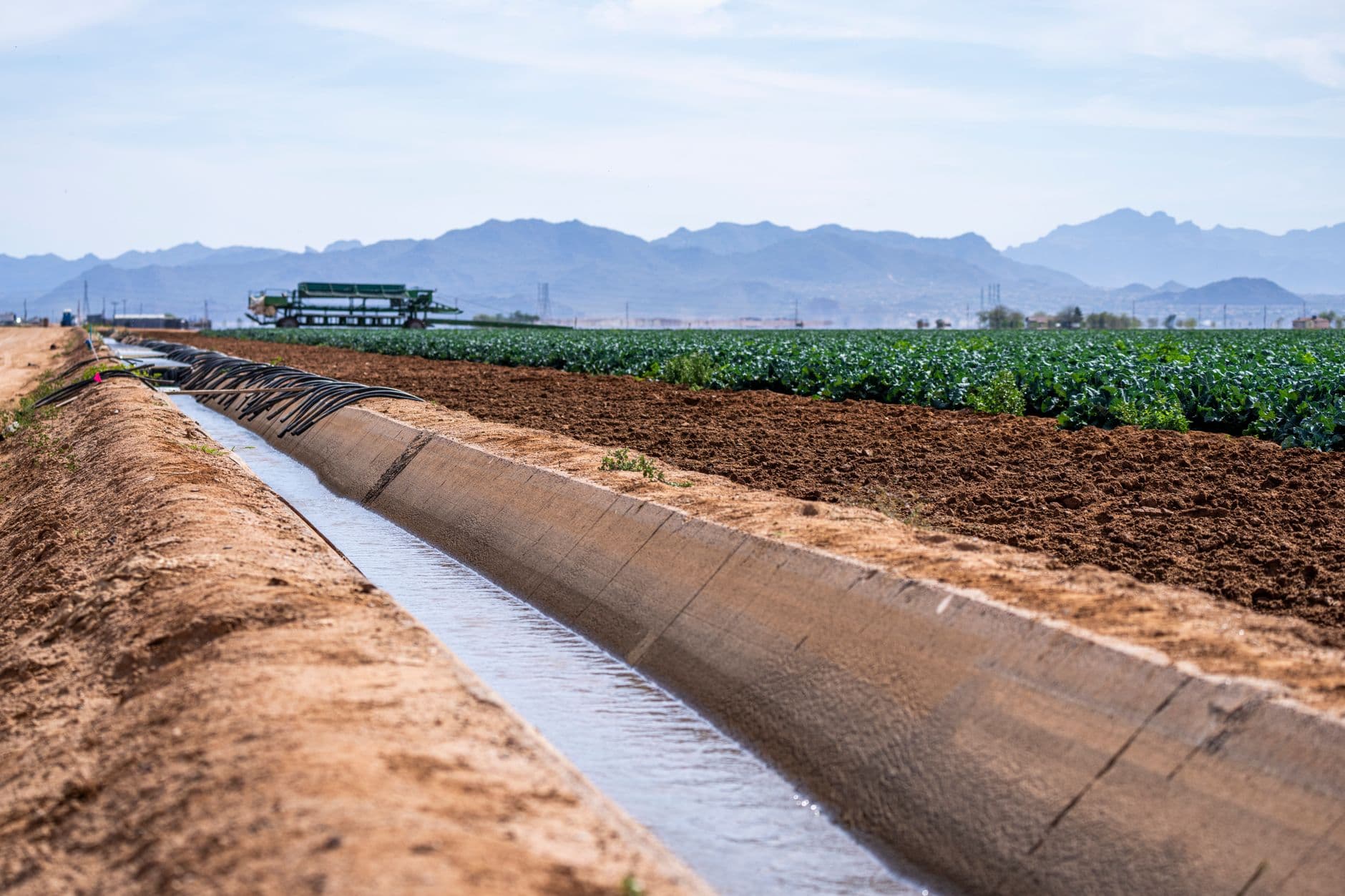
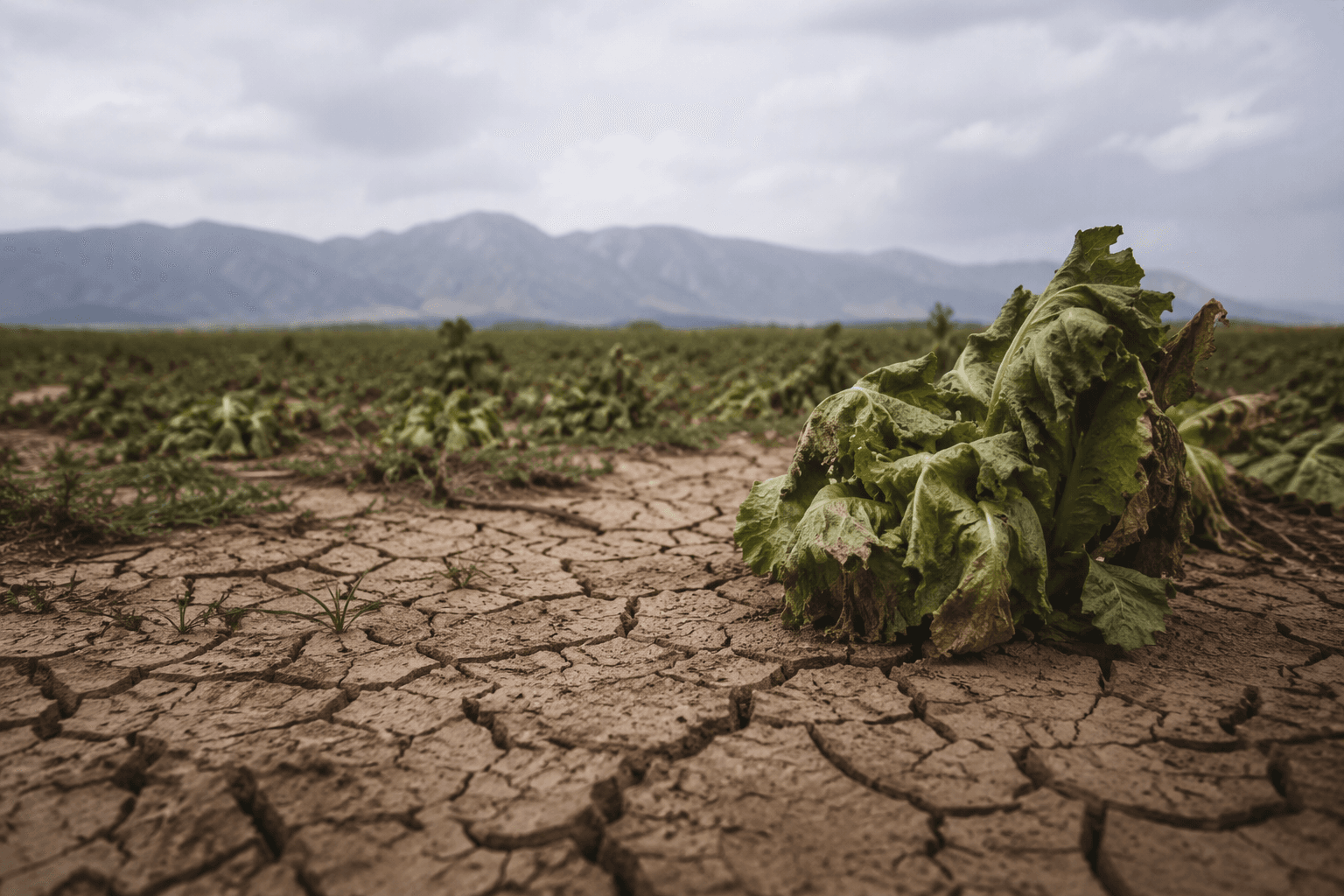
England’s monthly water situation report for June 2026 shows June was the wettest month since February, with 104% of the long-term average rainfall, but soil moisture deficits kept rising and by month-end soils across most of England were drier than expected for the time of year. Monthly mean river flows fell at nearly two-thirds of indicator sites. A separate national snapshot recorded reservoir storage at 72%, down from 75% a week earlier and nearly 10 percentage points below the long-term average.
This article was produced by Prism’s automated news system from verified source data, official records, and press releases, then run through automated quality and moderation checks before publishing. The system is built and supervised by the people who set the standards it runs under. Read our full AI policy.
Did this article answer your question?