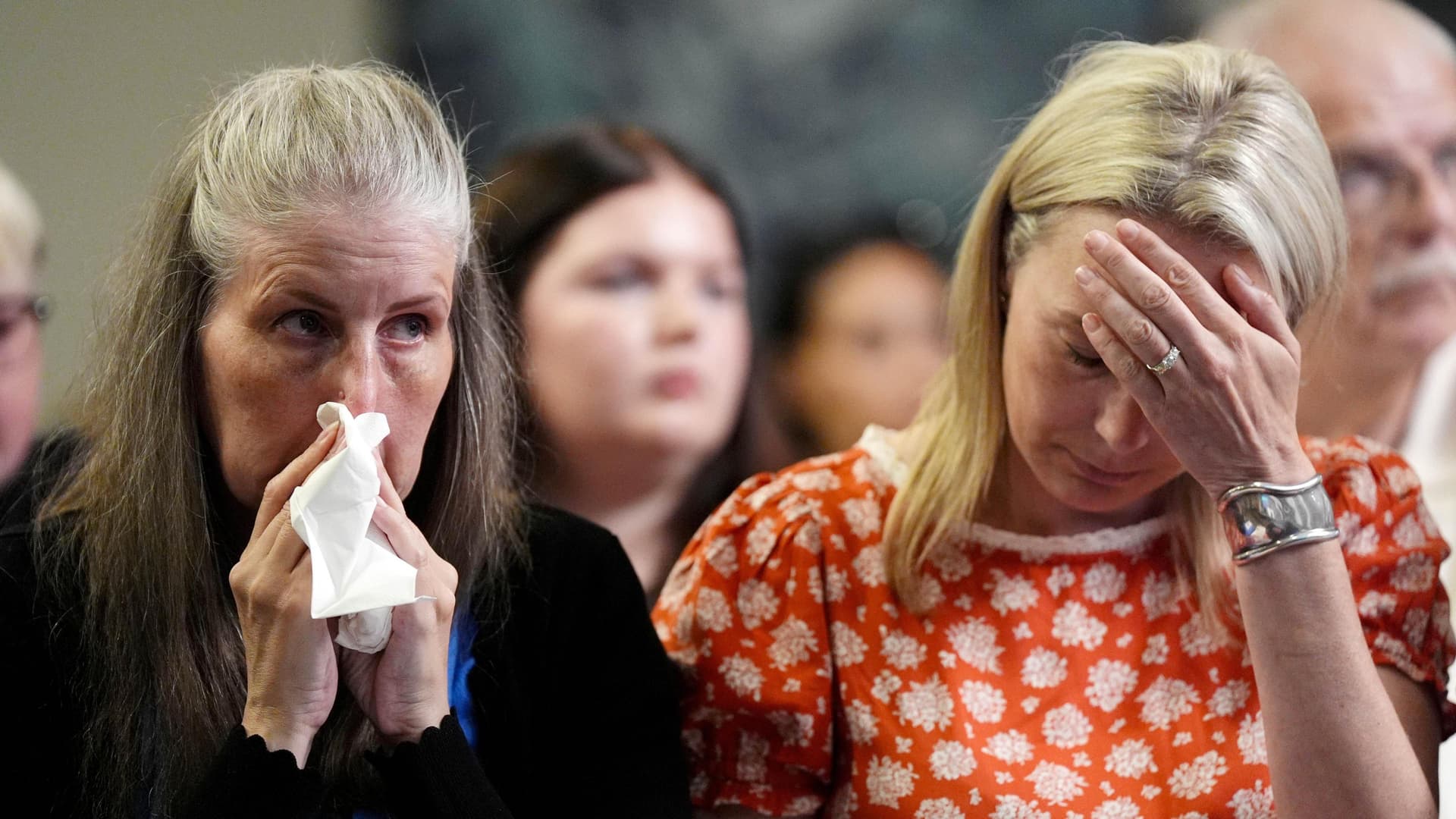
NHS launches maternity crackdown after years of safety failings
NHS England has ordered urgent reviews of up to 10 trusts after calling maternity failings significant and persistent. Almost half of 131 inspected services were still rated below standard on safety.
NHS England has launched a rapid independent investigation into maternity and neonatal services after describing failings across parts of the NHS as significant and persistent. The review will examine up to 10 trusts with specific problems and is due to report by December 2025, a fresh response to a system that has repeatedly promised reform while families and clinicians keep reporting the same dangers.
The scale of the failures is not confined to one hospital. The Care Quality Commission’s national review of maternity services in England, covering 131 locations inspected between August 2022 and December 2023, found 47% of services were rated requires improvement or inadequate on safety, and no service was rated outstanding for safety. The CQC said unsuitable estates were a key issue and called for more capital investment, underlining that the crisis is not only about staffing or leadership but also the physical condition of wards, labour rooms and neonatal space.
The current crackdown sits on top of more than a decade of damning inquiries. The Morecambe Bay investigation, published on 3 March 2015, examined maternity and neonatal care at University Hospitals of Morecambe Bay NHS Foundation Trust between January 2004 and June 2013 and identified 20 instances of significant or major failings linked to 3 maternal deaths and 16 baby deaths. The Ockenden review of Shrewsbury and Telford Hospital NHS Trust, published on 30 March 2022, examined 1,486 families and 1,592 clinical incidents. The East Kent investigation, published on 19 October 2022, found serious systemic failings in maternity and neonatal services at East Kent Hospitals University NHS Foundation Trust between 2009 and 2020 that led to avoidable harm and deaths.
NHS England said the new investigation would look across the whole maternity system, be co-produced with clinicians, experts and parents, and force immediate action on poor behaviour, family voice, data review, discrimination and racism. It also highlighted stark inequalities for Black and Asian women and women in deprived areas, a reminder that safety failures in maternity care have long been distributed unevenly across class and ethnicity.
Nottingham has become the latest symbol of that breakdown. By 2026, reporting on the scandal said more than 500 mothers and babies had died or suffered needless harm, with the investigation identifying 94 stillbirths, 62 newborn deaths and six deaths of women that could have been avoided with better care. The repeated pattern across Morecambe Bay, Shrewsbury and Telford, East Kent and Nottingham is the same one staff keep warning about: danger is often seen on the front line long before the official system acts, and too often those warnings are not enough to stop the next tragedy.
This article was produced by Prism’s automated news system from verified source data, official records, and press releases, then run through automated quality and moderation checks before publishing. The system is built and supervised by the people who set the standards it runs under. Read our full AI policy.
Know something we missed? Have a correction or additional information?
Submit a Tip