NHTSA intensifies Tesla FSD probe over visibility and lane errors
NHTSA opened a second Tesla FSD probe after four visibility-related crashes, including one fatality. The agency is also reviewing 62 complaints over signals and lane markings.

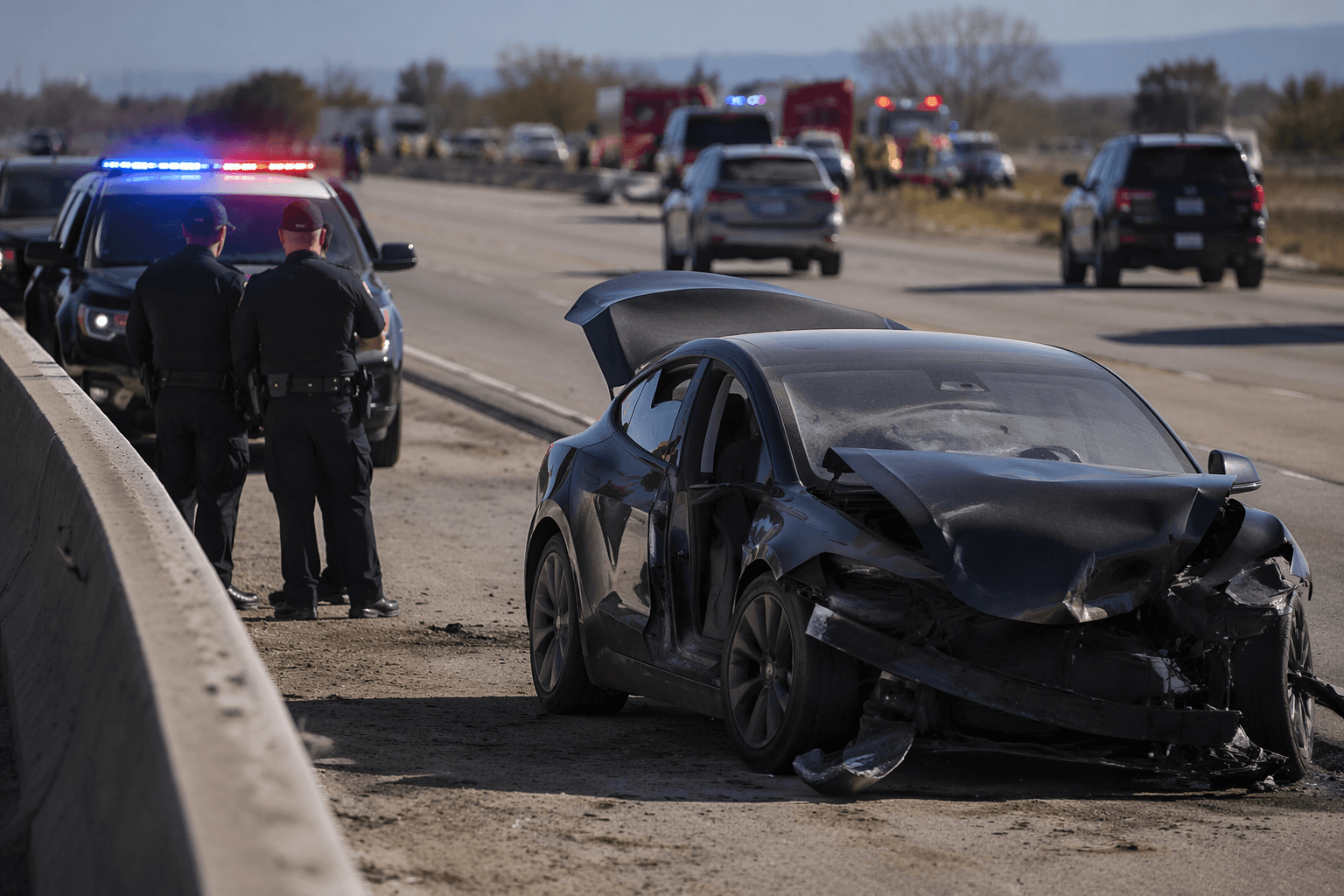
NHTSA broadened its scrutiny of Tesla’s Full Self-Driving system by opening an engineering analysis into how it handles degraded roadway visibility after four reported crashes in sun glare, fog or airborne dust, including one fatal crash and one injury crash. Tesla began developing an update to its degradation detection system on June 28, 2024, after the fatal crash report was filed.
The new analysis lands alongside a separate preliminary evaluation opened in December 2025 over alleged FSD traffic-safety violations involving signal, stop-sign and lane-marking behavior. In that case, NHTSA received 62 complaints, identified 4 media reports and reviewed 14 Standing General Order crash reports tied to the alleged defect. One inquiry looks at whether Tesla’s system misses or mishandles lane markings, while the other asks how it performs when the roadway itself is harder to see.
Tesla continues to sell the system as Full Self-Driving (Supervised). Its support page lists the feature as running under active driver supervision and not fully autonomous. It also lists lane changes, navigation decisions and turns under that supervision, and the U.S. subscription price at $99 a month. Tesla’s safety page lists more than 11.5 billion miles, including more than 4.3 billion city miles.
NHTSA’s Standing General Order crash-reporting framework for ADS and Level 2 ADAS was first issued in 2021 and amended in 2021, 2023 and 2025. NHTSA’s automated-vehicle safety page lists today’s consumer systems as requiring full engagement and undivided attention from drivers. Tesla’s shift to a vision-only approach, Tesla Vision, began in mid-2021 after it moved away from radar. That left FSD dependent on exterior cameras while regulators were building the reporting system. The later-release 2026 Tesla Model Y became the first vehicle to pass NHTSA’s new ADAS benchmark in NCAP testing.
This article was produced by Prism’s automated news system from verified source data, official records, and press releases, then run through automated quality and moderation checks before publishing. The system is built and supervised by the people who set the standards it runs under. Read our full AI policy.
Did this article answer your question?