NHTSA probe deepens as Tesla Autopilot crash questions linger
The key question is what Tesla’s logs show: whether Autopilot was active, overridden or unavailable in crashes that left regulators with 956 reports and at least 13 fatal cases.
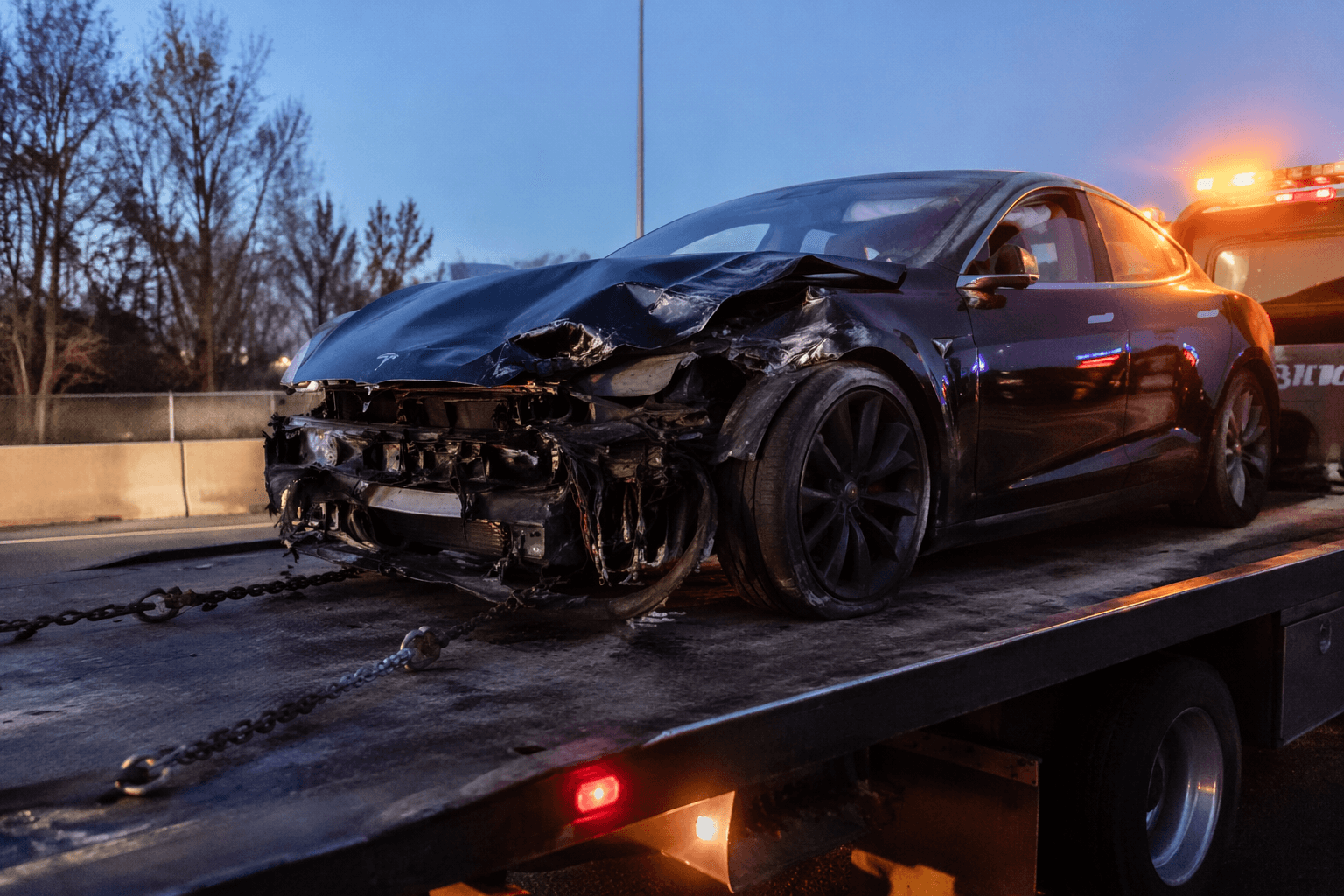
The central question in Tesla’s Autopilot scrutiny is not only what the driver saw, but what the vehicle recorded. In case after case, investigators have been left to reconstruct whether the system was engaged, bypassed or unavailable, and the answer now hinges on software logs, crash data and a design that regulators say has not matched driver expectations.
The National Highway Traffic Safety Administration has long classified Autopilot as a Level 2 driver-assistance system, which requires constant human supervision. Its engineering analysis, EA22002, opened on June 8, 2022 after the agency upgraded an earlier probe, and NHTSA said the review covered 956 crashes initially alleged to involve Autopilot through August 30, 2023. By the time the analysis closed, the agency said at least 13 crashes involved one or more fatalities and apparent foreseeable driver misuse, while many others involved front-end impacts and serious injuries.
NHTSA’s own resume for the probe said the evidence showed Tesla’s weak driver-engagement system was not appropriate for Autopilot’s permissive operating capabilities. The agency has also said Tesla’s naming and monitoring design created a critical safety gap between what drivers believed the system could do and what it was actually built to handle. In other words, the dispute is not just about a single crash, but about whether the product’s design encouraged overreliance.
Tesla responded with Recall 23V838 on December 12, 2023, citing concerns that the prominence and scope of Autopilot controls may be insufficient to prevent crashes tied to lack of driver engagement. NHTSA later said the remedy still allowed owners to opt out and reverse part of the change, leaving the same core concern in place: a system that depends on human supervision, paired with controls that may not consistently keep attention where it belongs.
A separate fatal crash in Spring, Texas, underscored how much turns on the vehicle’s data record. In the April 17, 2021 wreck, the Tesla Model S P100D traveled about 550 feet before leaving the road, then went over a curb and struck a drainage culvert, a raised manhole and a tree on Hammock Dunes Place in Harris County. NTSB preliminary findings said Autosteer was not available on that stretch of road, though Traffic-Aware Cruise Control could be engaged. The board said crash reconstruction and the car’s data were central to determining what actually happened.
That same evidentiary standard now shadows every Autopilot fatality and serious-injury case. Under NHTSA’s Standing General Order, Level 2 ADAS crashes must be reported when the system was in use within 30 seconds of a fatality, serious injury, pedestrian strike or air-bag deployment, putting Tesla’s logs at the center of the next round of accountability.
This article was produced by Prism’s automated news system from verified source data, official records, and press releases, then run through automated quality and moderation checks before publishing. The system is built and supervised by the people who set the standards it runs under. Read our full AI policy.
Did this article answer your question?