Nigeria Air Force strike hits market, hundreds feared dead in Yobe
An airstrike on Jilli Market left more than 100 civilians dead and up to 200 feared killed, as the air force gave no answer on the market hit.
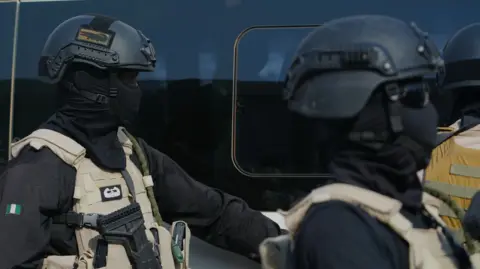
A military airstrike tore through Jilli Market in Yobe State, leaving at least 200 people feared dead and more than 100 civilians, including children, killed as the Nigerian Air Force pressed its offensive against militants in northeast Nigeria.
The air force said it had struck a "terrorist enclave and logistics hub" and killed scores of fighters riding motorcycles, but it did not address reports that the bombs or missiles hit a crowded market instead of a militant camp. That silence has deepened scrutiny of an operation in a region where air power has repeatedly been blamed for civilian deaths.
Yobe State officials said some people attending the Jilli weekly market were affected by the strike. The Yobe State Emergency Management Agency said it activated emergency response teams and sent assessment teams to the area, while urging the public not to spread unverified casualty figures. At Geidam General Hospital, a worker said at least 23 injured people were being treated.
Amnesty International said it had spoken with survivors and hospital contacts, and its Nigeria director, Isa Sanusi, said it had seen pictures of the dead, including children. The accounts point to a strike that hit far beyond the military’s stated target and left local authorities scrambling to account for the scale of the damage.
Jilli Market sits near the Borno-Yobe border in a zone long used by Boko Haram for buying food supplies and moving through remote border communities. Abdulmumin Bulama, a member of a civilian security group, said intelligence suggested Boko Haram fighters had gathered near the market and were preparing an attack, prompting the air force action.
That explanation does little to ease the broader political and security problem. Nigeria’s military campaign in the northeast has lasted more than a decade and displaced millions, yet civilian-casualty allegations continue to erode public trust in counterinsurgency operations. AP has reported that at least 500 civilians have died in similar misfires since 2017, underscoring a recurring pattern of weak intelligence gathering and poor coordination between ground troops, air assets and local stakeholders. Each mistaken strike gives militants another grievance to exploit and makes the state’s fight for legitimacy harder to win.
Know something we missed? Have a correction or additional information?
Submit a Tip