NIH study triggers sleep-like repair in awake mice brains
Scientists triggered sleep-like repair in awake mice by pulsing brain regions for 30 minutes, restoring memory and easing local sleep pressure.
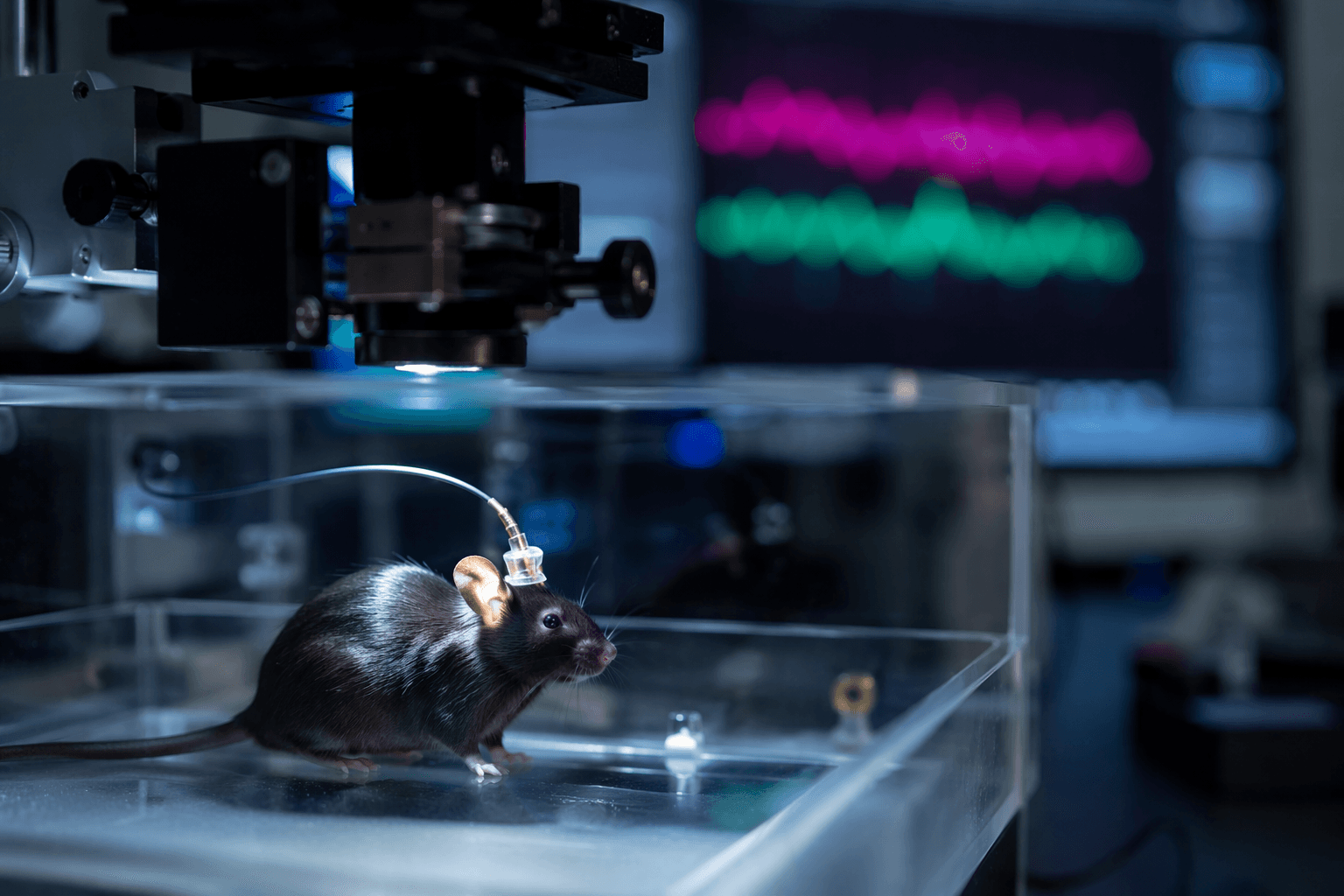
Researchers supported by the National Institutes of Health have shown they can push parts of an awake mouse brain into a sleep-like repair state, a finding that could reshape how scientists think about fatigue, memory loss and neurological recovery. Using light-pulsing implants and genetic modifications, the team induced rhythmic on-and-off activity in small brain regions for 30 minutes at a time, mimicking patterns seen during sleep while the animals remained awake.
The intervention copied non-rapid eye movement sleep, which the NIH release said makes up about 80% of adult sleep. It did more than simply quiet the brain. The effect depended on the alternating on-and-off pattern, not just reduced firing, and it lowered later slow-wave activity in the same regions, a sign that those circuits had less local need for sleep. Sleep-deprived mice that received stimulation in motor and sensory areas on both sides of the brain later performed like well-rested mice on a tactile-memory task.
Chiara Cirelli, the corresponding author and a professor of psychiatry at the University of Wisconsin-Madison, said the work was essentially “forcing sleep in a local region of the brain,” while the rest of the brain stayed aware of the environment. She compared the phenomenon to dolphins, which can sleep one hemisphere at a time. Cirelli and colleagues had previously observed local slow-wave activity while awake in sleep-deprived rats and humans, but those brief episodes may not have lasted long enough to restore function.

A related preprint, titled Induction of cortical ON/OFF periods in awake mice fulfills sleep functions, reported that bilateral induction of OFF periods over sensorimotor cortex during sleep deprivation restored memory consolidation and reduced markers of synaptic strength. Together, the findings suggest that some of sleep’s core benefits can be reproduced in awake, behaving mice, and that sleep may be more modular than a single whole-brain switch.
That idea could matter well beyond basic neuroscience. If scientists can eventually learn how to safely reproduce specific restorative sleep features, the work could inform approaches to sleep disruption, shift-work fatigue and neurological conditions in which sleep architecture breaks down. For now, the study remains preclinical and limited to mice, but it gives researchers a new way to ask why sleep loss damages memory and why some brains seem to borrow fragments of sleep even while awake.
This article was produced by Prism’s automated news system from verified source data, official records, and press releases, then run through automated quality and moderation checks before publishing. The system is built and supervised by the people who set the standards it runs under. Read our full AI policy.
Know something we missed? Have a correction or additional information?
Submit a Tip