Nikalex combines AI optimization and hands-on engineering to advance titanium additive manufacturing
California-based Nikalex shifted from precious-metal AM to titanium in 2023 and now uses AI-driven optimization plus hands-on engineering to produce titanium parts for robotics, medical, industrial, and aerospace uses.
California-based Nikalex shifted its focus from Gold, Platinum, and Silver to Titanium in 2023 and now combines AI-driven optimization with hands-on engineering to produce titanium components for robotics, medical devices, industrial machinery, and aerospace parts. The company frames its offering as a hybrid workflow that pairs computational design with real-world validation to push titanium additive manufacturing further.
Nikalex traces its roots to precious‑metals additive manufacturing, and it applies that background to industrial metalwork. "The company applies the meticulous standards developed for Gold, Platinum, and Silver to industrial Titanium," the firm’s materials state, signaling a quality-first approach carried over from jewelry and fine-metal work into load‑bearing titanium parts.
The technical pitch centers on a mixed human-plus-AI process. "AI is harnessed to optimize material distribution, improve structural performance, and streamline complex design processes, yet experienced engineers validate and refine each output to ensure it performs reliably in real‑world conditions," company text explains. In practice, Nikalex runs algorithmic optimization to reshape part geometry and then routes designs through engineer-led review and iterative adjustment before committing parts to metal additive manufacturing.
Hands-on experimentation remains a named pillar of the company’s philosophy. "Hands-on experimentation remains central to the company’s philosophy. Through iterative testing and refinement, Nikalex helps clients uncover hidden strengths in their designs and identify opportunities that automated systems alone might overlook," the company states, describing a workflow that deliberately looks for complementarities between model-driven gains and practical manufacturability checks.
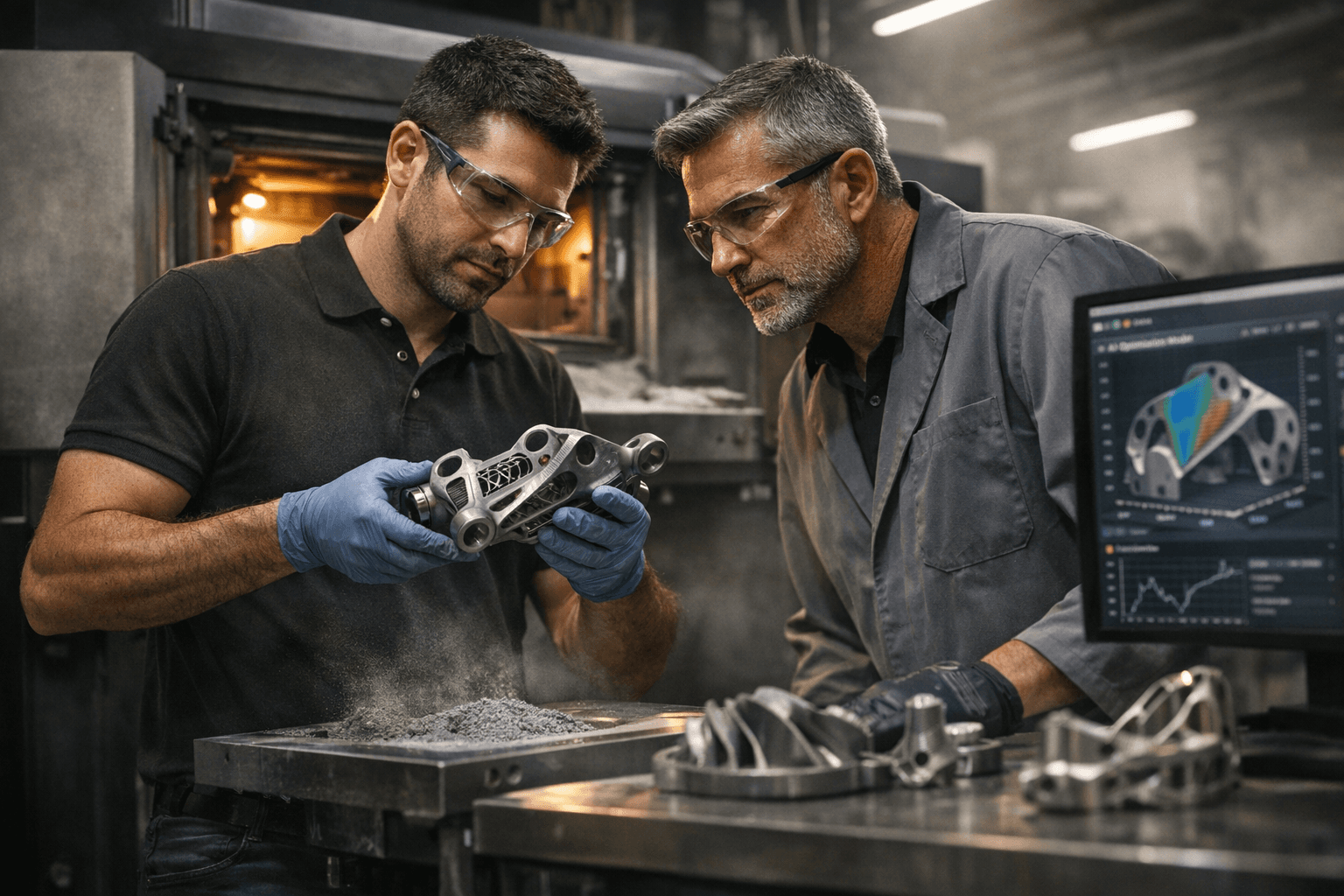
Nikalex positions that hybrid output for performance-critical sectors. Materials provided list robotics, medical devices, industrial machinery, and aerospace parts as target applications where optimized material distribution and verified reliability matter for both weight and safety margins. The company also highlights leadership that blends creative and technical skill: "Nikalex’s leadership brings together expertise in art, design, engineering, and manufacturing," which the company presents as a foundation for bridging aesthetics, functionality, and producibility in titanium parts.
An Instagram post from the firm reinforces the technical narrative, stating, "Nikalex applies advanced AI-driven optimization to refine part geometry, then manufactures components in titanium using metal additive." That social line mirrors the firm's public descriptions of its pipeline from algorithm to build.
The public materials do not name executives, list machine makes or process parameters, or provide quantitative performance metrics such as weight savings or strength improvements. Those gaps leave room for validation by case studies or lab data; nonetheless, Nikalex’s stated method - combining computational optimization with iterative, engineer-led validation - frames a clear direction for advancing titanium additive manufacturing into higher‑demand, safety‑sensitive markets.
Know something we missed? Have a correction or additional information?
Submit a Tip