Nintendo Australia posts FY19-20 to FY24-25 Modern Slavery Statements and supplier obligations
Nintendo Australia now hosts FY19-20 through FY24-25 modern slavery statements and requires annual Australian Modern Slavery Act training for all procurement staff.
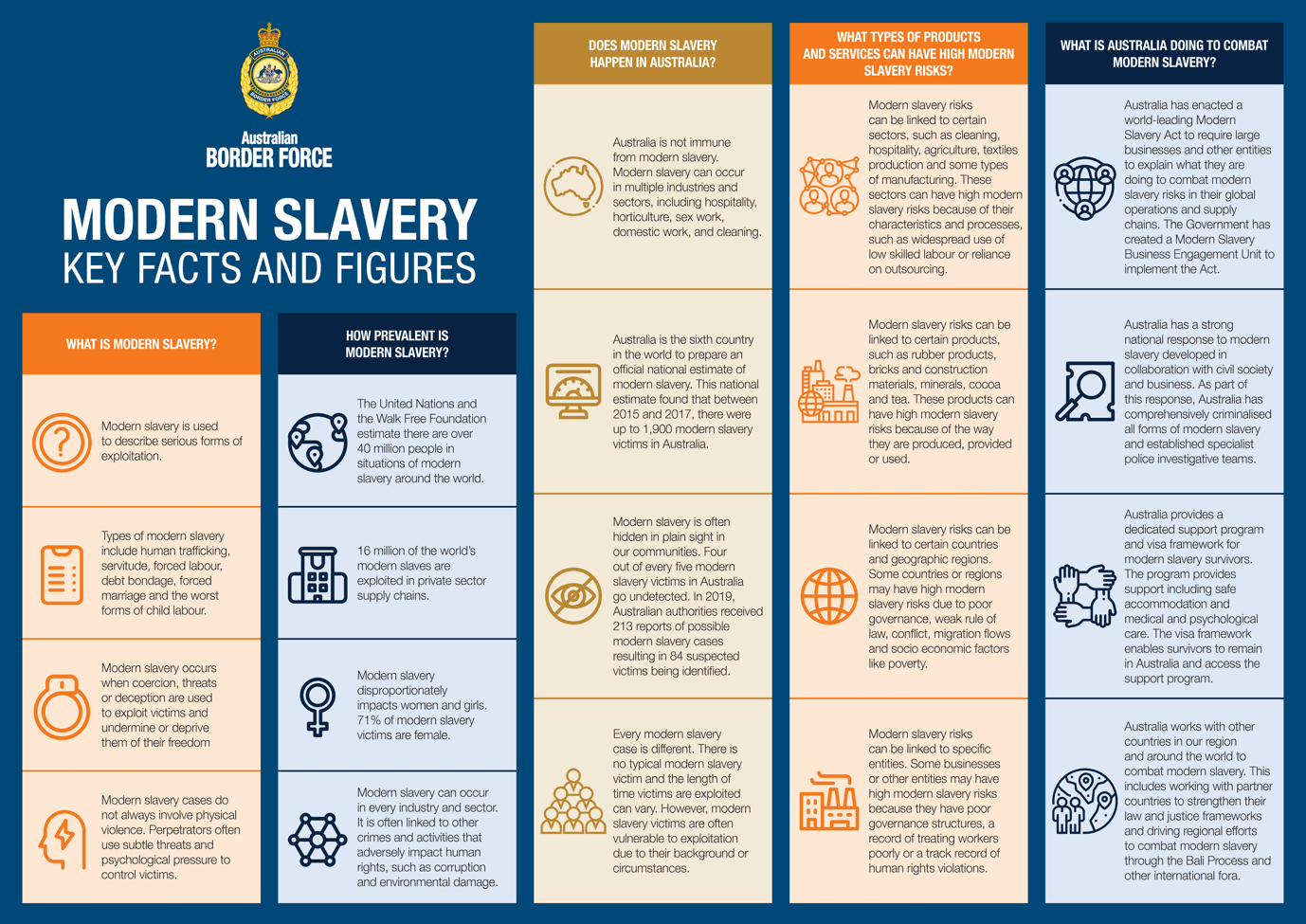
Nintendo Australia Pty Limited is hosting a consecutive series of Modern Slavery Statements covering FY19-20 through FY24-25 on its regional site and links those statements to procurement and CSR materials that set out supplier and worker obligations. The site makes mandatory an annual Australian Modern Slavery Act training for every employee involved in procurement, a requirement repeated in Nintendo’s global compliance materials.
Nintendo’s FY2025 Modern Slavery Transparency Statement frames the scope of the disclosures. “This statement summarizes the policies of Nintendo (Nintendo Co., Ltd. (Japan) and its main subsidiaries) and the actions we have taken during the fiscal year ended March 31, 2025 (FY 2025) to prevent modern slavery, including slave labor, forced labor, child labor, prison labor and human trafficking, in our business and supply chain,” the FY2025 text states. Corporate sign-off on recent statements shows board-level oversight: the FY2024 statement was reviewed and approved at a Board meeting on August 30, 2024 and issued September 30, 2024, and the FY2025 statement was reviewed and approved on August 29, 2025 and issued September 30, 2025, each bearing the name Shuntaro Furukawa, President and Representative Director.
The posted materials reiterate Nintendo’s fabless production model and the company’s expectation that production partners comply with policies prohibiting slave labor, forced labor, child labor, prison labor and human trafficking. Supplier obligations described in broader corporate practice include requirements to provide workers with accessible employment information, to ensure working hours do not exceed legal maximums, to prohibit charging recruitment fees and to repay any recruitment fees found to have been paid by workers, and to prohibit requiring workers to lodge deposits or identity papers with the supplier. Those lifecycle controls are linked to a supplier-onboarding and due-diligence framework that can, in practice, lead a company to decline or end relationships where issues are severe or unresolved.
Nintendo documents its past audit activity and recent due diligence outcomes. “In fiscal year ended 31 March 2019, an independent third party audited four of our production partners with an emphasis on human rights and labor practices to ensure compliance with the Nintendo CSR Procurement Guidelines,” the company has reported, with audits using interviews of managers and workers, document review, inspections of production facilities and dormitories, and sampling of employment contracts and policies. More recently, Nintendo’s FY2024 and FY2025 statements state the company did not identify any serious issues through supply-chain due diligence that would lead to ceasing business with a production partner.
Training and governance are rolled out by region. Nintendo of Europe SE requires Code of Conduct training for all new employees, including sections on the UK Modern Slavery Act and nondiscrimination, with periodic refreshers. Nintendo Co., Ltd. (Japan) assigns the Senior Director of the Human Resources Department responsibility for employee training in Japan. Nintendo of America is working to include the Nintendo Human Rights Policy in annual training alongside existing Code of Conduct courses. Nintendo’s regional statements also point readers to the CSR Information sections for Europe/Australia and the U.S. for further detail.
As a comparator for deeper supplier oversight, Australia Post’s FY25 supplier risk framework is referenced in industry materials: it mandates Tier 2 supplier data collection, SKU-level identification of manufacturing facilities, Self-Assessment Questionnaires and social audits using Sedex SAQ and SMETA for medium and high risk suppliers, plus mandatory Tier 2 training and onsite inductions. Nintendo’s public statements anchor its supplier rules and training requirements, while the FY2019 audits and the FY2024/FY2025 due-diligence findings provide the concrete record the company highlights for auditors and procurement teams.
Know something we missed? Have a correction or additional information?
Submit a Tip