Nintendo Details Global CSR Efforts to Foster Employee Potential and Inclusion
Nintendo outlines employee-focused policies on its global CSR site, framing DEI as a priority and prompting questions about how those commitments translate into programs and measures for workers.
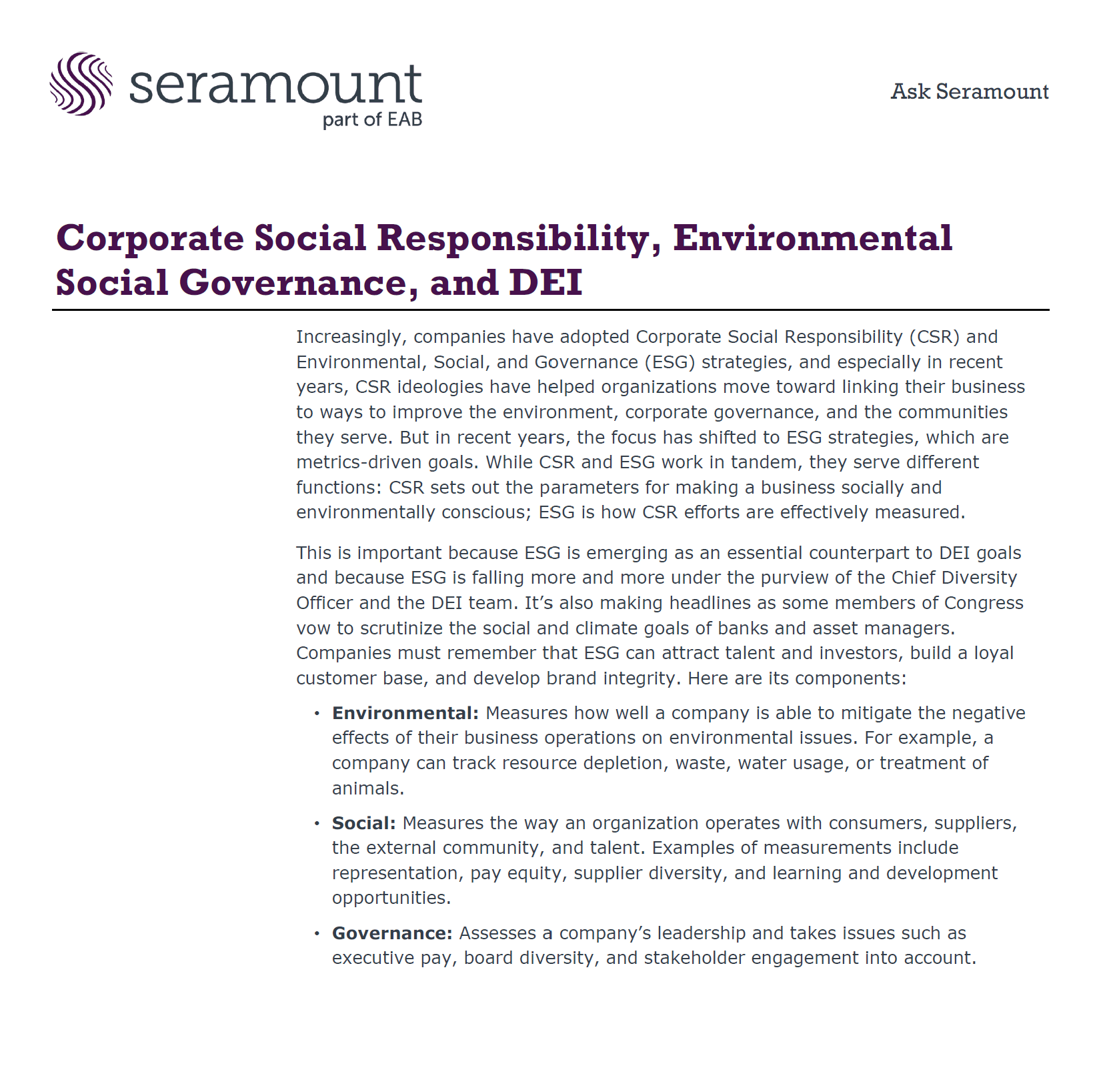
Nintendo’s global corporate social responsibility site outlines the company’s employee-focused policies and programs across multiple regions. The page frames Nintendo’s approach around diversity, equity & inclusion (DEI), human-righ
That brief paraphrase, provided in material from the company, signals a public-facing effort to position employee welfare and inclusion as part of Nintendo’s CSR story. The supplied excerpt is truncated mid-word at "human-righ," leaving unclear whether it intended to reference human rights or a different phrase. The lack of full copy and absent metrics in the paraphrase make it impossible to assess how Nintendo defines, measures, or implements those commitments across its global workforce.
Industry consultants and platform vendors argue that statements alone are not enough to change workplace dynamics. As the co-founder of Paradigm wrote, "As the co-founder of Paradigm, I’ve seen firsthand how intentionally built cultures help companies move beyond surface-level efforts to build environments where every employee can do their best work." Paradigm emphasizes that "The highest-performing cultures aren’t accidental, they’re intentionally designed, measured, and led." That prescription highlights what employees often seek: consistent norms, transparent processes, and accountable leadership rather than one-off perks.
Paradigm markets a product called "Culture for Everyone Platform" and describes it this way: "Paradigm’s Culture for Everyone Platform seamlessly integrates AI-enabled software with a team of experts to help companies build high-performance cultures where everyone can do their best work." The company also states that "Workplace culture isn’t just a nice to have. It’s a critical business imperative that helps determine how well your team performs." Paradigm says data-driven, inclusion-centered assessments and self-assessments that show "objectivity, belonging, voice, and growth" are central to its approach.
For Nintendo employees, the gap between a corporate framing of DEI and concrete programs matters in everyday workplace life. Policies without clear implementation and measurement can leave managers without guidance and employees uncertain about promotion, training, and grievance processes. Structured processes and training are among the remedies Paradigm identifies: "Once these structures are in place, equipping managers and employees with training and resources helps create consistency and lays the foundation for a culture where everyone can thrive and contribute their best work."
The immediate implication for workers is practical: they will want to see specifics. Which programs apply in each region, what training is mandatory, what metrics Nintendo uses to track equity and retention, and who is accountable for outcomes. Observers will be looking for published demographic data, pay-equity analyses, and program completion rates that move the discussion from promotional language to measurable change.
What comes next is clarity. If Nintendo follows through with detailed policies, timelines, and publicly reported metrics, employees could gain clearer paths to development and fairer workplace practices. Absent those specifics, the company's DEI framing risks remaining aspirational rather than operational.
Know something we missed? Have a correction or additional information?
Submit a Tip