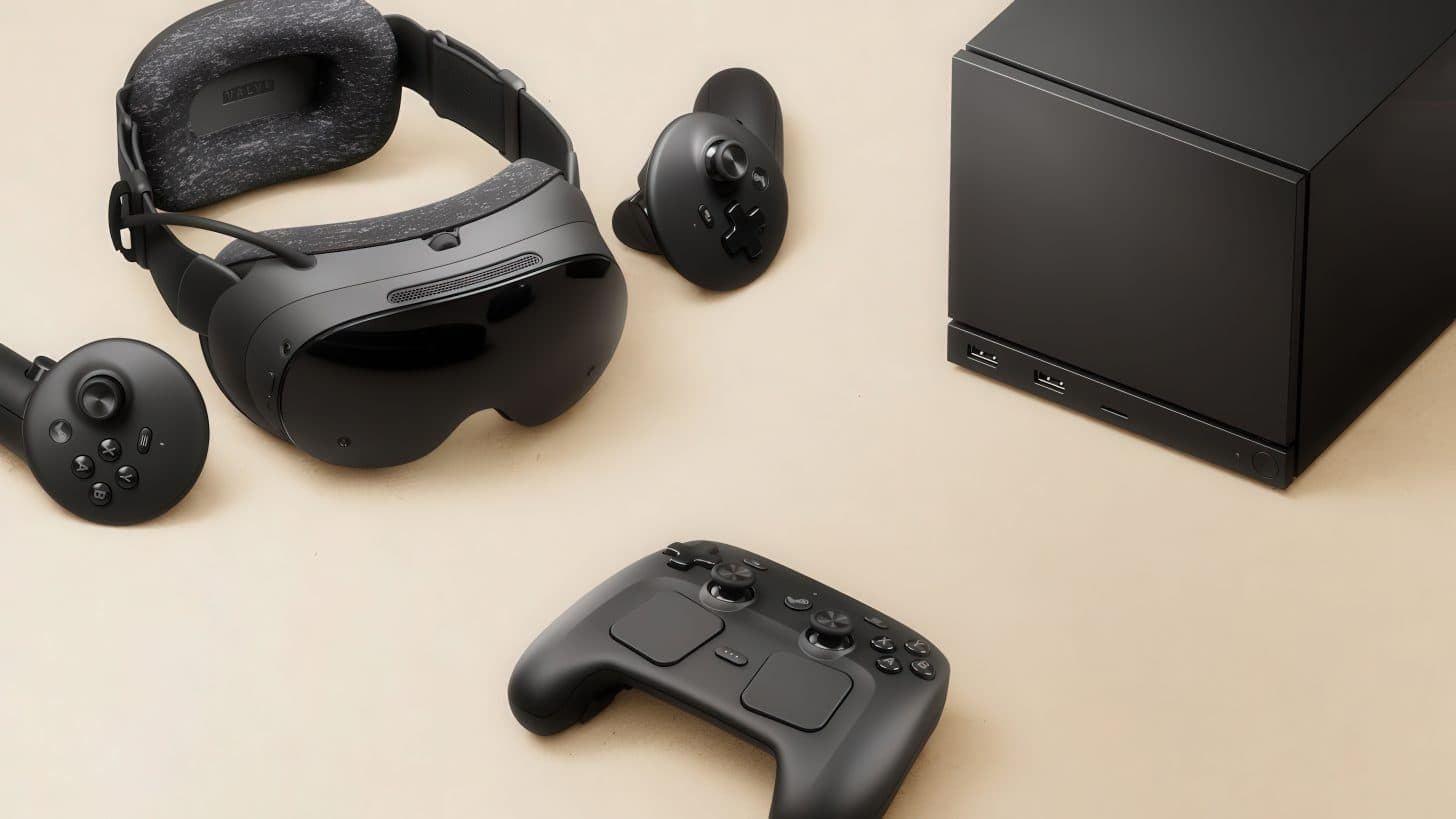
Nintendo signals increased game output and longer development timelines for 2026
Nintendo president said the company is developing new entries in several big series and will boost software output in 2026, giving teams more time to polish titles. This matters for developers' schedules and resourcing.
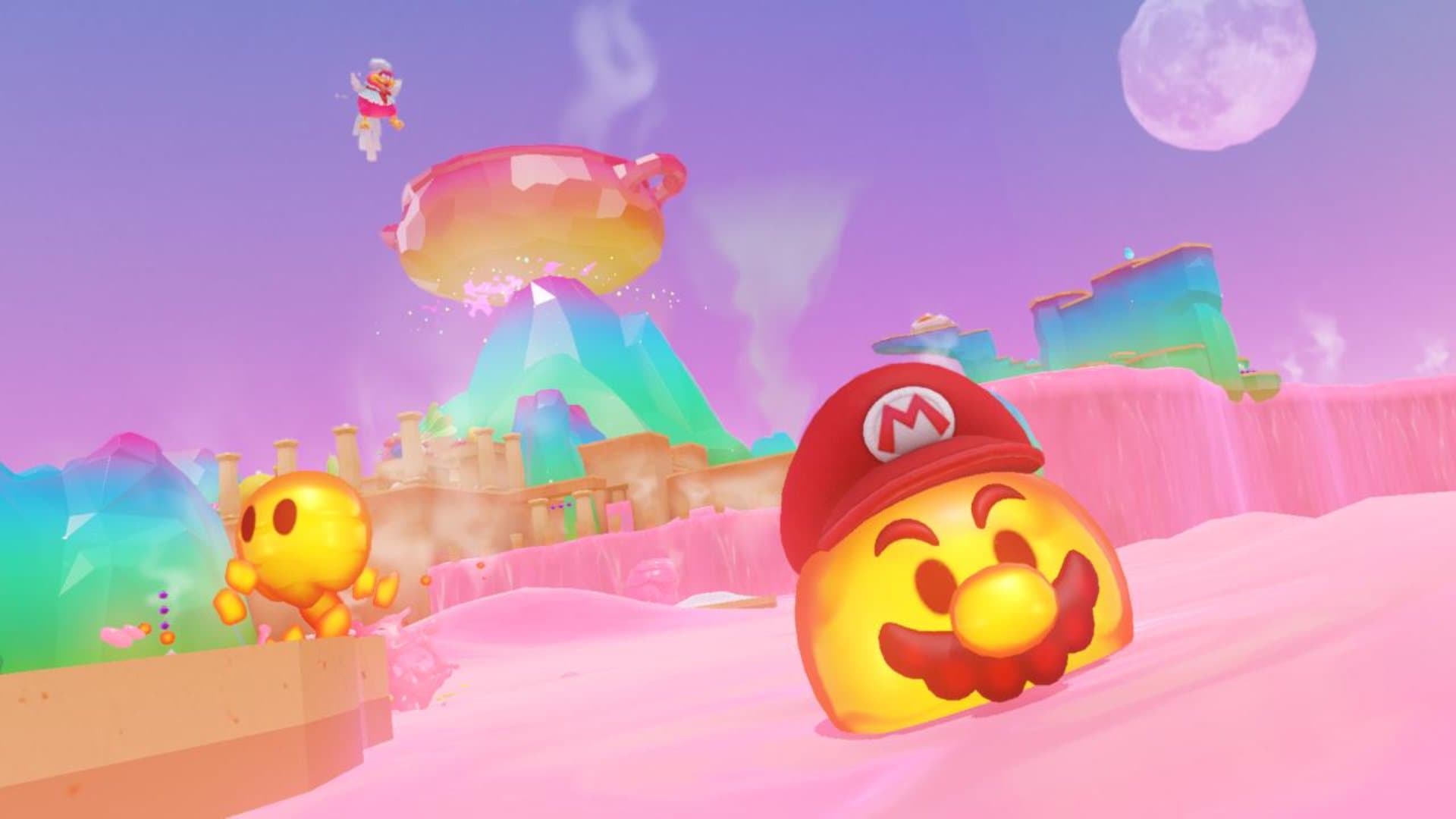
Nintendo president Shuntaro Furukawa said in a recent interview that the company has new entries in several popular series in development and plans to increase software output in 2026. He emphasized that management expects to give development teams additional time to polish titles, and that the company is maintaining financial stability to support longer development schedules.
Those remarks offer a window into company priorities that go beyond product announcements. For employees in Nintendo’s studios and partner teams, the shift signals management attention to production cadence and quality assurance rather than pushing for rapid release cycles. Increasing software output while also lengthening development timelines suggests Nintendo aims to balance a larger slate with expectations of finished, polished releases.
For developers, producers, and QA staff, the practical implications include potential changes to project timelines, staffing needs, and milestone pacing. More time to refine builds can reduce crunch on late-stage patches, improve localization lead times, and allow for larger or staggered testing cycles. At the same time, a commitment to higher overall output for the year will require capacity planning across in-house teams and external contractors, and could prompt reassessment of hiring and budget priorities.
Furukawa’s comments also spoke to financial positioning as an enabling factor. By signaling that Nintendo is prioritizing stability, the company appears to be aiming to fund longer development windows without repeatedly resorting to accelerated schedules to hit short-term revenue targets. That approach can create steadier workload expectations for employees but also raises questions about how priorities will be balanced across franchises and new projects.
Fans have long speculated about marquee releases such as a new 3D Mario for Nintendo’s next console, and the remarks have fueled hopes that beloved franchises are on the docket. The president did not provide concrete release dates or pricing information, leaving details about specific projects and schedules to future announcements. For teams inside Nintendo, that means continued confidentiality and planning work before public roadmaps emerge.
Workers should expect the company to outline more specifics as it moves toward publishing schedules and marketing plans. In the near term, managers and HR teams will likely be adjusting resource plans, recruiting for critical roles, and refining milestone reviews to align with the twin goals of higher output and longer polish cycles. For Nintendo staff and collaborators, the direction indicates both steadier fiscal backing and a potential cultural shift toward development rhythms that prioritize finish and stability over speed - a change that could reshape daily workflows and career planning at the company.
This article was produced by Prism’s automated news system from verified source data, official records, and press releases, then run through automated quality and moderation checks before publishing. The system is built and supervised by the people who set the standards it runs under. Read our full AI policy.
Know something we missed? Have a correction or additional information?
Submit a Tip