Ninth Circuit Strikes California Ban on Urban Open-Carry Permits
A federal appeals panel on Jan. 3 found unconstitutional a California law that barred open-carry permits in counties with populations above 200,000, a restriction the court said left most residents effectively banned from openly carrying firearms. The decision reshapes the statewide regulatory landscape and could prompt a high-stakes legal fight over how Bruen's historical-tradition test applies to modern public-safety regulations.
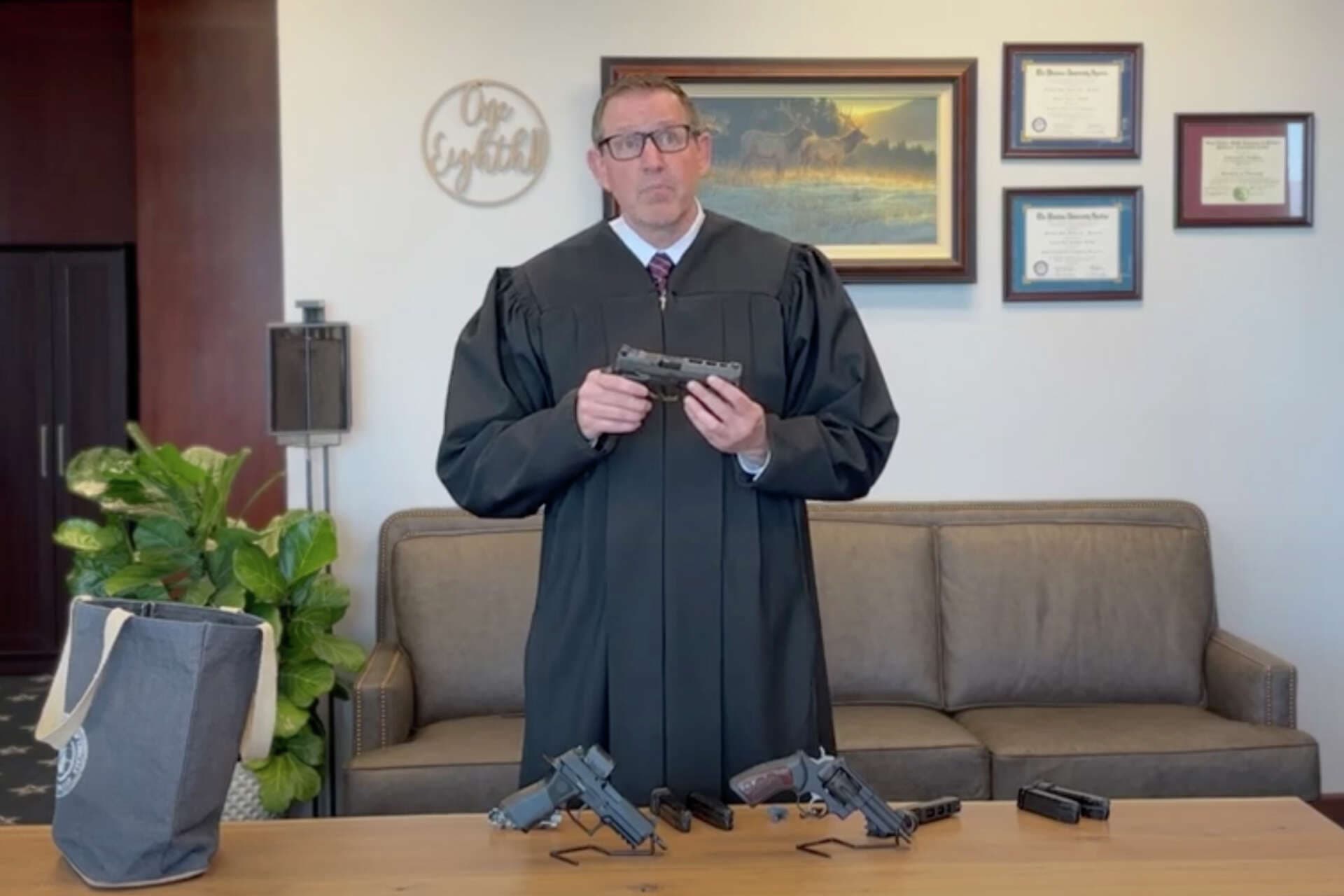
A three-judge panel of the U.S. Court of Appeals for the Ninth Circuit on Jan. 3 struck down the portion of California law that prevented authorities from issuing open-carry permits in counties with populations greater than 200,000. The panel held by a 2–1 vote that the population-based rule was inconsistent with the constitutional test set out in the Supreme Court's 2022 decision in New York State Rifle & Pistol Association v. Bruen.
The challenged statute confined open-carry licenses to counties below a 200,000 population threshold, a distinction the majority said operated as a practical bar to open carry in the state’s urban centers. The opinion noted that about 95 percent of Californians live in counties subject to the prohibition. Writing for the majority, Judge Lawrence VanDyke said, “Under Bruen, this is a straightforward case,” and characterized the state's legal regime as “a complete ban on open carry in urban areas, the areas of the state where 95% of the people live,” concluding that the modern restriction did not align with the historical practices examined under Bruen.
The panel was composed of Judges VanDyke and Kenneth Lee, both appointed by former President Donald Trump, and Judge N. Randy Smith, appointed by President George W. Bush. Judge Lee issued a separate concurring opinion, while Judge Smith wrote an opinion that both concurred in part and dissented in part. Smith stressed that California’s overall regulatory scheme continued to permit concealed-carry licenses statewide, and he argued that limiting open carry in more populated counties could be a lawful component of a permissive concealed-carry framework.
The litigation began when Mark Baird, a resident of Siskiyou County, challenged the statute seeking restoration of what he described as the historical practice of allowing open carry. The panel’s ruling responds directly to the analytical framework the Supreme Court established in Bruen, which requires modern firearm regulations to be consistent with the nation’s historical tradition of firearm regulation at the time of the Founding or Reconstruction.
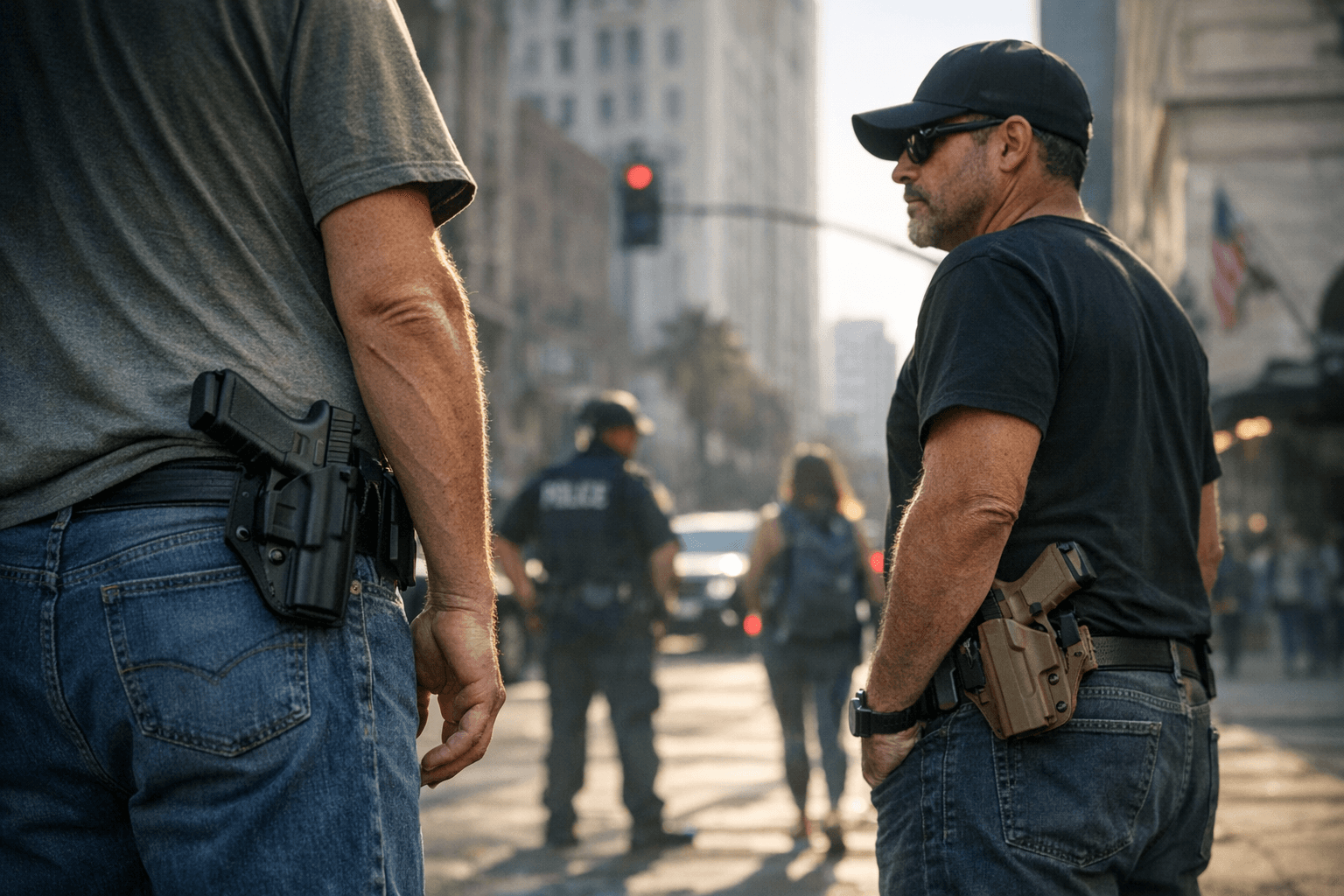
California’s Department of Justice and the office of Attorney General Rob Bonta said they were reviewing the Ninth Circuit opinion and “considering all options.” State officials face a decision about whether to seek rehearing en banc at the Ninth Circuit or to petition the U.S. Supreme Court for review, options that could quickly elevate the dispute to the nation’s highest court and further define Bruen’s reach.
The decision immediately raises administrative and policy questions for sheriffs and local law enforcement agencies that issue permits, as well as for lawmakers who have framed population-based restrictions as a way to address public-safety concerns in dense urban areas. If left in place, the ruling will require California officials to revise permit processes and guidance; if rehearing or Supreme Court review follows, the case could set a consequential precedent for how courts weigh historical analogues against contemporary regulatory goals, shaping voting and civic debates over gun policy for years to come.
This article was produced by Prism’s automated news system from verified source data, official records, and press releases, then run through automated quality and moderation checks before publishing. The system is built and supervised by the people who set the standards it runs under. Read our full AI policy.
Did this article answer your question?

