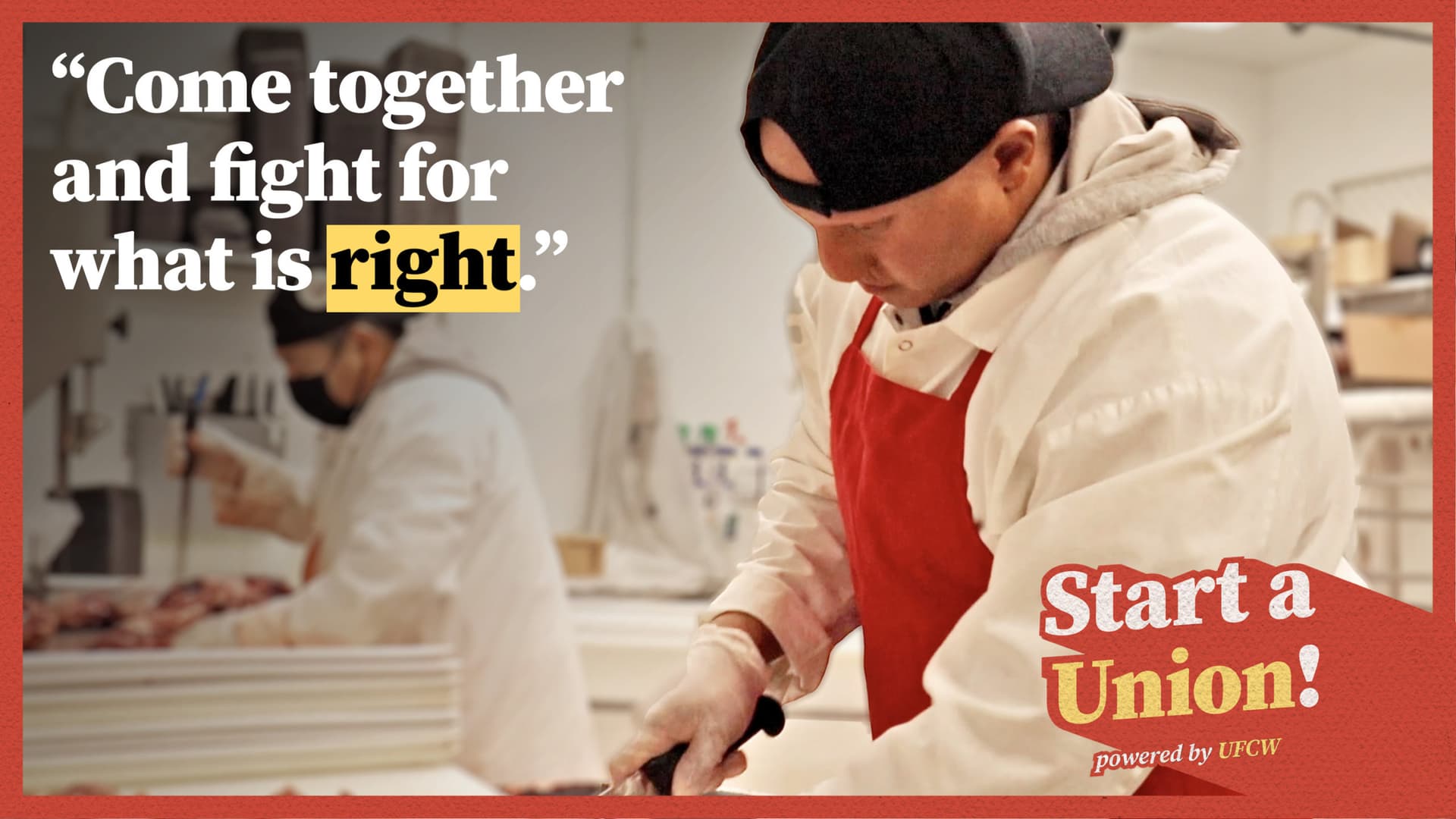
NLRB Guidance Affirms Trader Joe's Employees' Protected Concerted Activity Rights
NLRB guidance confirms Trader Joe’s crew have Section 7 rights to engage in protected concerted activity over wages, schedules, safety, or discrimination.
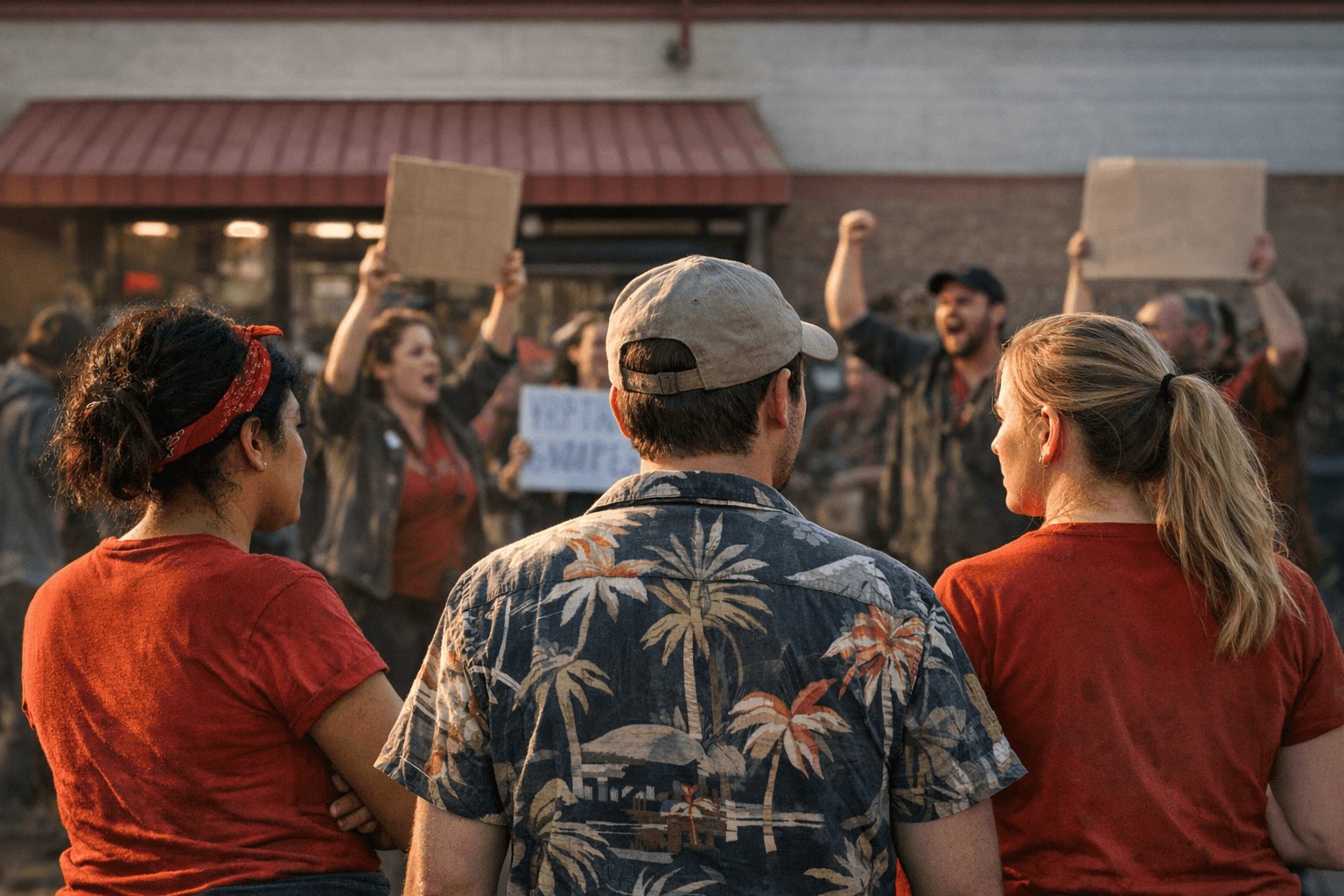
The National Labor Relations Board’s employee-rights guidance reinforces that crew at Trader Joe’s who raise shared workplace concerns can be protected under Section 7 of the National Labor Relations Act. That protection covers traditional union activity and other group efforts “for purposes of collective bargaining or other mutual aid or protection,” and can affect how management handles discipline, handbook rules, and investigations.
Section 7 establishes the baseline: employees may “form, join, or assist labor organizations,” “bargain collectively,” “engage in other concerted activities for the purpose of collective bargaining or other mutual aid or protection,” and “refrain from any or all of such activities.” The Board and labor law analysts define concerted activity as conduct “engaged in with or on the authority of other employees.” That language covers classic collective actions and, in some cases, communications by a single worker made on behalf of coworkers.
Board precedent guides how to tell the difference between a personal gripe and protected group speech. Under Meyers Industries, 268 NLRB 493 (1984) and Meyers Industries, 281 NLRB 882 (1986), a single employee’s complaint may be concerted “if (i) the concern is ‘a truly group complaint,’ rather than a ‘purely personal grievance,’ or (ii) the individual is making an effort to ‘induce group action’ in the interest of employees.” The line remains fact-specific, and the Board’s newer guidance is described as providing “a helpful framework” for employers and workers trying to apply those tests.
Certain subjects are treated as “inherently” concerted, meaning they are likely protected even if not explicitly tied to group organizing. Those topics include “discussions about higher wages, changes to work schedules, and job security.” The Board’s reach has expanded into modern forms of communication: in 2014 the NLRB ruled that an employee who “liked” a Facebook post criticizing an employer had taken part in protected concerted activity because the post reflected complaints by other employees.
Recent enforcement examples illustrate what this means in practice. In one Advice Memo scenario, an employee who emailed company officials asking for action to protect employees of color was later told his apron violated the dress code and was directed to remove it or resign; a Region concluded the directive was a “logical outgrowth” of ongoing concerted activities and violated Section 7 rights. In a separate case, a Regional Director found reasonable cause that an employee was fired for raising safety concerns; the Regional Office issued a complaint and the matter settled before a hearing, with the worker receiving full backpay of about $20,000 and reinstatement to the former job. Another case prompted a complaint over social media criticism and led the employer to revise handbook provisions and reach a private settlement with the terminated employee.
For Trader Joe’s managers and crew, the practical takeaway is clear: allegations under Section 7 are “on the rise from a variety of stakeholders, ranging from employees to labor organizations – and even plaintiffs’ lawyers.” Employers should train human-resources personnel and management to identify potential concerted activity and to avoid disciplining or interrogating workers for protected actions. Employers are advised to “Do understand that non-union employees have the right to participate in protest events during their non-working time” and to avoid threats or discipline for such participation.
Workers who want official information can consult the NLRB’s website at the agency’s public pages or contact the Information Officer at 1-866-667-NLRB. For Trader Joe’s crew and managers, the Board’s guidance underscores that many everyday conversations about pay, schedules, safety, and discrimination can have legal protection, shaping how stores handle complaints, policies, and discipline going forward.
Know something we missed? Have a correction or additional information?
Submit a Tip