NLRB Guidance Clarifies Employee Rights, Contractor Risks for Nintendo Support Staff
NLRB guidance clarifies that concerted activity is protected and that contractor status affects who bears labor obligations, a key distinction for Nintendo support staff and vendor-employed agents.

Federal labor guidance from the National Labor Relations Board and related agencies spells out core protections for employees and important limits for contractors, offering clearer rules for technology and customer-support workers who staff major platforms. The guidance emphasizes that "concerted activities" - organizing or collective action aimed at mutual aid or protection - fall under the National Labor Relations Act and are enforceable through NLRB unfair labor practice provisions. That protection reaches workers even when they operate in high-turnover, vendor-supplied customer care environments.
Worker classification is central to how those rights play out. Employees directly hired by a company have clear-standing responsibilities and remedies against an employer; those supplied by staffing firms or independent contractors occupy a more complex legal position. The guidance notes that contractors and temporary agency employees may still have rights and, depending on facts, can file charges or seek remedies. At the same time, joint-employer or staffing arrangements can create shared responsibilities in practice, meaning control over hiring, discipline, scheduling, and operational direction can shift legal obligations between a platform operator and a vendor.
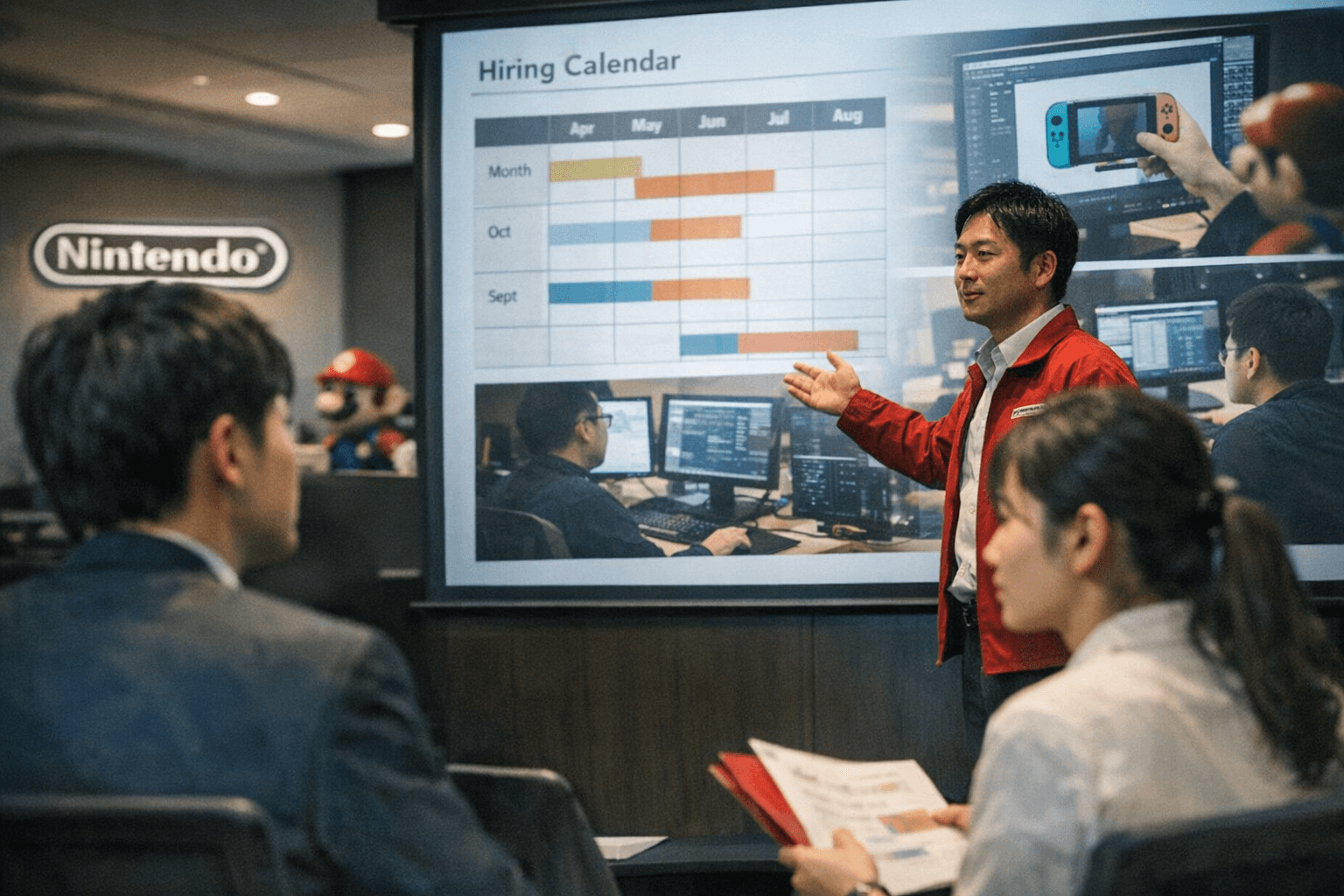
For Nintendo support staff and third-party agents who answer calls, moderate forums, or handle account issues, that distinction matters in day-to-day workplace dynamics. When supervision, performance metrics, or disciplinary inputs come from the platform operator rather than the staffing firm, workers may be able to point to joint-employer factors that affect who is legally accountable. The practical effect is that workplace conversations about pay, scheduling, protections from retaliation, and attempts to organize can implicate more than one employer and change the remedies available.

The agencies also stress compliance and practical steps for workers who face discipline, termination, or suspected misclassification. Preserve written records and document communications about discipline or termination. Keep copies of schedules, performance reviews, and any messages that show who is issuing direction. Consult counsel or worker-advocacy organizations to assess whether misclassification or joint-employer factors apply. Use the NLRB, Department of Labor, or Equal Employment Opportunity Commission complaint channels as appropriate to the claim.
For employers, the guidance is a reminder to review staffing arrangements, internal controls, and supervisory practices to avoid disputes over joint responsibility. For support staff, the guidance levels up knowledge about protections and risks: classification does not wholly eliminate rights, but it changes the path to enforcement. Expect continued scrutiny of contractor models and staffing practices as workers and agencies test where legal responsibility begins and ends.
Sources:
Know something we missed? Have a correction or additional information?
Submit a Tip