NLRB Guide Explains Retail Workers’ Rights and Filing Union Petitions
NLRB guidance lays out how retail workers, including Home Depot employees, can start a union election, what protections they have, and what employers must post and do.
The National Labor Relations Board explains that private-sector employees, including retail staff at Home Depot, have rights to engage in "protected concerted activity" and to organize unions or seek collective bargaining. The agency sets a clear procedural path for workers who want an election and outlines employer obligations once a petition is filed.
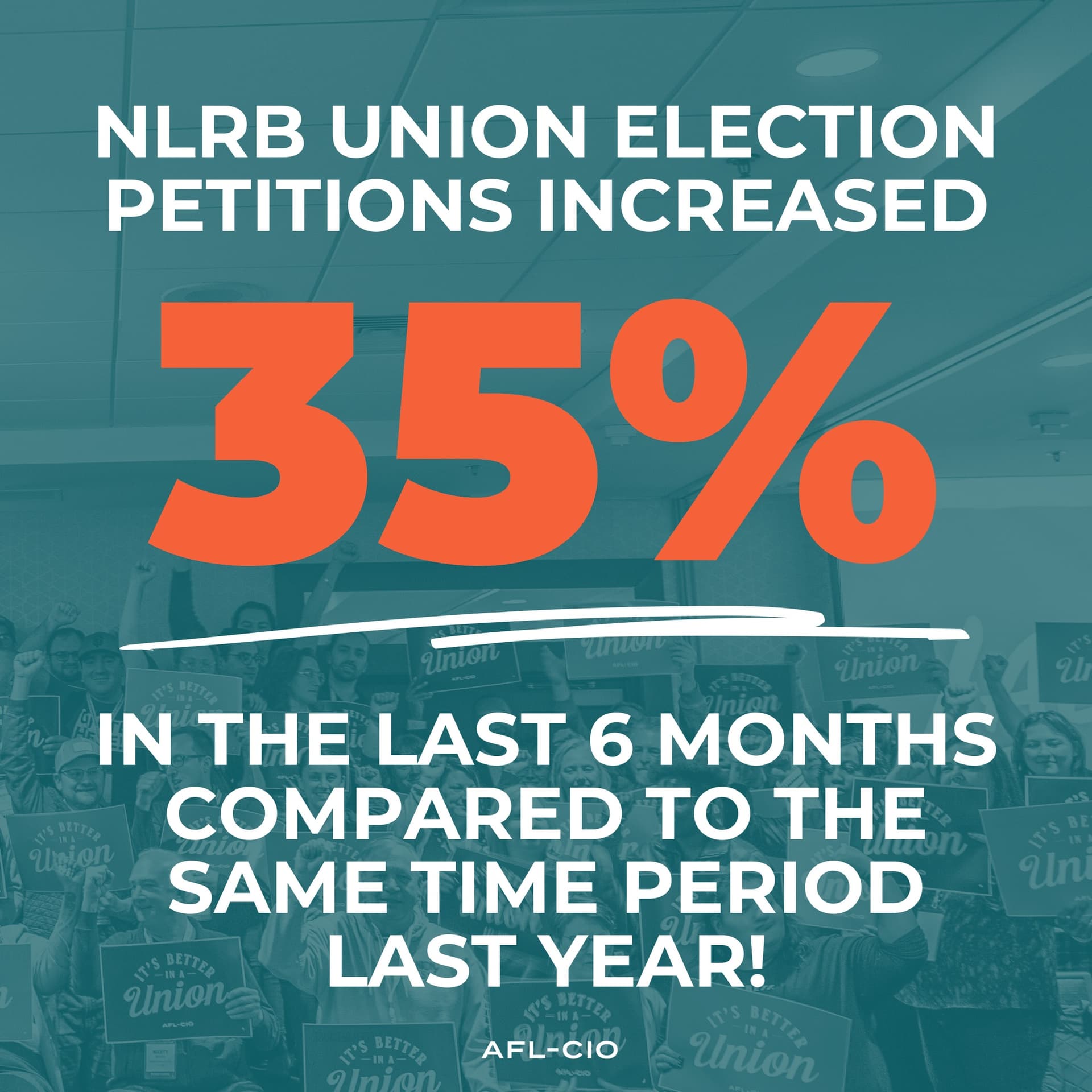
To start the election process, workers must submit "a petition and associated documents," preferably electronically, with the nearest NLRB Regional Office and show support from at least 30% of employees in the proposed bargaining unit. "If you wish to form or join a union, or decertify an existing union, you may file an election petition." NLRB agents will investigate to confirm the Board has jurisdiction, that the union is qualified, and that no existing labor contract or recent election would bar a new vote.
Shortly after a petition is filed, employers must post a "Notice of Petition for Election" in conspicuous places, including all places where notices to employees are customarily posted. The guidance also says that if an employer customarily communicates with the petitioned-for unit through electronic means, the employer "must also distribute the Notice of Petition for Election electronically" to employees; several public excerpts of the agency text contain truncated passages around that electronic-distribution instruction, so workers and organizers should verify the exact language with their Regional Office.
NLRB agents will seek an election agreement covering logistics and eligibility. As the agency puts it, "NLRB agents will seek an election agreement between the employer, union, and other parties setting the date, time, and place for balloting, the ballot language(s), the appropriate unit, and a method to determine who is eligible to vote." Once parties agree, the Regional Director handles the mechanics of the election.
The guidance clarifies circumstances that can block an NLRB petition when an employer grants voluntary recognition. For the election-petition bar to apply, three conditions must all be satisfied: the employer or union must notify a Board Regional Office that voluntary recognition has been granted; the employer must post and distribute a notice informing employees that recognition was granted and that they have a right to file a petition during a 45-day period beginning when the notice is posted; and no properly supported petition is filed within those 45 days.

Legal-practice analysis adds context about how representation cases proceed. A law firm analysis notes that "Regional Directors can still process representation petitions, conduct elections, and certify results without a Board quorum," and that when unions use strikes or boycotts to force recognition, the Board "has the right to file a Section 10(l) petition in court to try to block the action from continuing. However, a quorum is not needed for such an action." The NLRA also protects nonunion employees who engage in "protected concerted activities" such as discussing wages or working conditions.
Workers who want to act should assemble support, confirm who is in the appropriate unit, and contact their nearest NLRB Regional Office for assistance. "Please contact an information officer at your nearest Regional Office for assistance." The NLRB also maintains outreach channels including NLRB Facebook, NLRB Twitter, NLRB Instagram, NLRB Linkedin, NLRB News, and an RSS feed.
For Home Depot associates and other retail employees, the rules create a straightforward threshold and a predictable sequence: gather at least 30% support, file a petition, expect employer notice and possible electronic distribution, and be prepared for NLRB verification and an election agreement. Because some publicly available excerpts of the guidance are truncated, organizers and employees should check the full NLRB materials and forms through their Regional Office before filing. What comes next for workers is clear authority to move forward and practical steps to make a petition effective.
Know something we missed? Have a correction or additional information?
Submit a Tip