NLRB Guide: Pizza Hut Employees' Right to Form a Union
NLRB explains employees' right to organize at franchised restaurants like Pizza Hut, detailing protected actions, employer limits, and the paths to form a union.
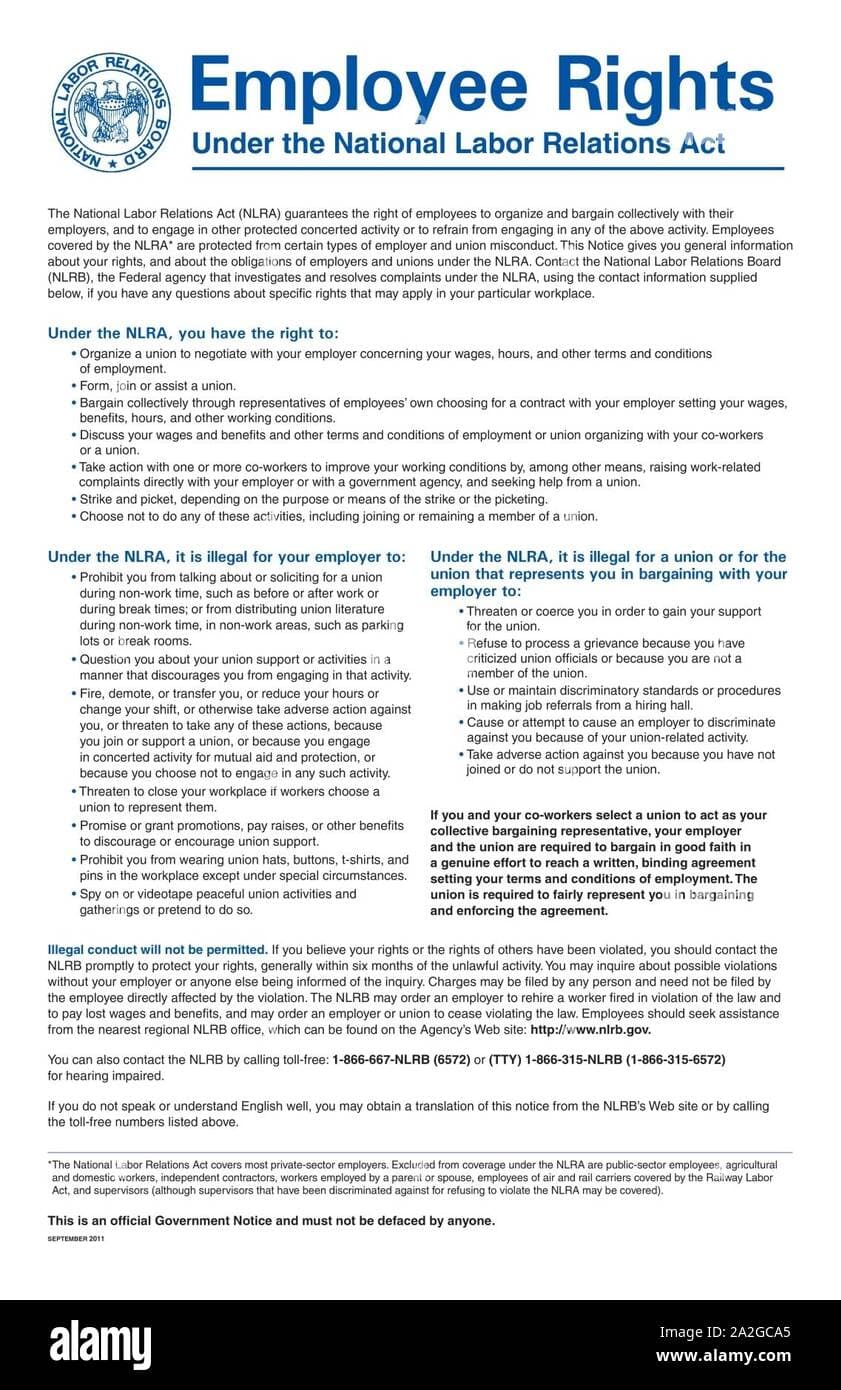
You have the right to form, join or assist a union." That federal line from the National Labor Relations Board anchors what Pizza Hut crew members and other franchised restaurant workers can lawfully do when they organize: seek collective bargaining over pay, hours and safety, distribute literature, wear union insignia, solicit signatures and discuss the union with co-workers.
Federal labor guidance frames the scope. "The NLRA is a federal law giving most private sector employees the right to form or join unions; engage in protected, concerted activities to address or improve working conditions (like protesting low pay, unsafe working conditions, or discrimination); and refrain from engaging in these activities." The Department of Labor notes the law covers most private sector and U.S. Postal Service employees but excludes other government employees, agricultural laborers, most domestic workers, independent contractors and generally supervisors, with railroad and airline workers covered instead by the Railway Labor Act.
The NLRB lists specific protected activities: "This includes your right to distribute union literature, wear union buttons t-shirts, or other insignia (except in unusual "special circumstances"), solicit coworkers to sign union authorization cards, and discuss the union with coworkers." Supervisors and managers are barred from interference. "Supervisors and managers cannot spy on you (or make it appear that they are doing so), coercively question you, threaten you or bribe you regarding your union activity or the union activities of your co‑workers." The agency adds that "You can't be fired, disciplined, demoted, or penalized in any way for engaging in these activities."
Guidance aimed at workers lists clear examples of unlawful employer responses. "In Response to Union Organizing, an Employer Cannot:" fire or demote employees, impose new paperwork requirements to maintain employment, transfer employees to another location, contact law enforcement including immigration authorities, reduce pay, hours or benefits, make work more difficult or less desirable such as changing schedules or denying overtime, or threaten to do any of these things.
Workers have two common paths to win representation. Under majority signup/voluntary recognition, "A majority of employees in the bargaining unit sign cards/petitions seeking union representation" and "Workers ask their employer to recognize the union voluntarily." If the employer refuses, workers can file a petition with the NLRB. The election route begins when workers "Have at least 30% of coworkers sign union authorization cards/petitions," then file an NLRB election petition; "If the union wins 50% +1 of the vote, your employer must bargain in good faith over working conditions."
Organizing rights extend to immigrant workers. "Most workers, including immigrant workers, have the right to form a union with protections from the National Labor Relations Board (NLRB). One of those protections is the right to be free from retaliation regardless of your immigration status."
The materials also highlight potential upside: "THE UNION ADVANTAGE: Pay On average, unionized workers earn higher wages than their non-union counterparts." Employers are urged to comply and inform staff: "Make sure your employees are aware of their rights to organize and bargain collectively – for example, by circulating the poster developed under E.O. 13496." For help, workers should "Contact Your NLRB Regional Office for More Info" and the Federal Mediation and Conciliation Service can assist bargaining an initial contract.
For Pizza Hut employees, these are direct rights and steps: document incidents, talk with coworkers about goals, collect authorization cards if a majority or at least 30% support organizing, and seek guidance from the NLRB regional office. If workers win the vote, the employer must begin bargaining in good faith — a concrete next step toward changing workplace rules from the bottom up.
Know something we missed? Have a correction or additional information?
Submit a Tip