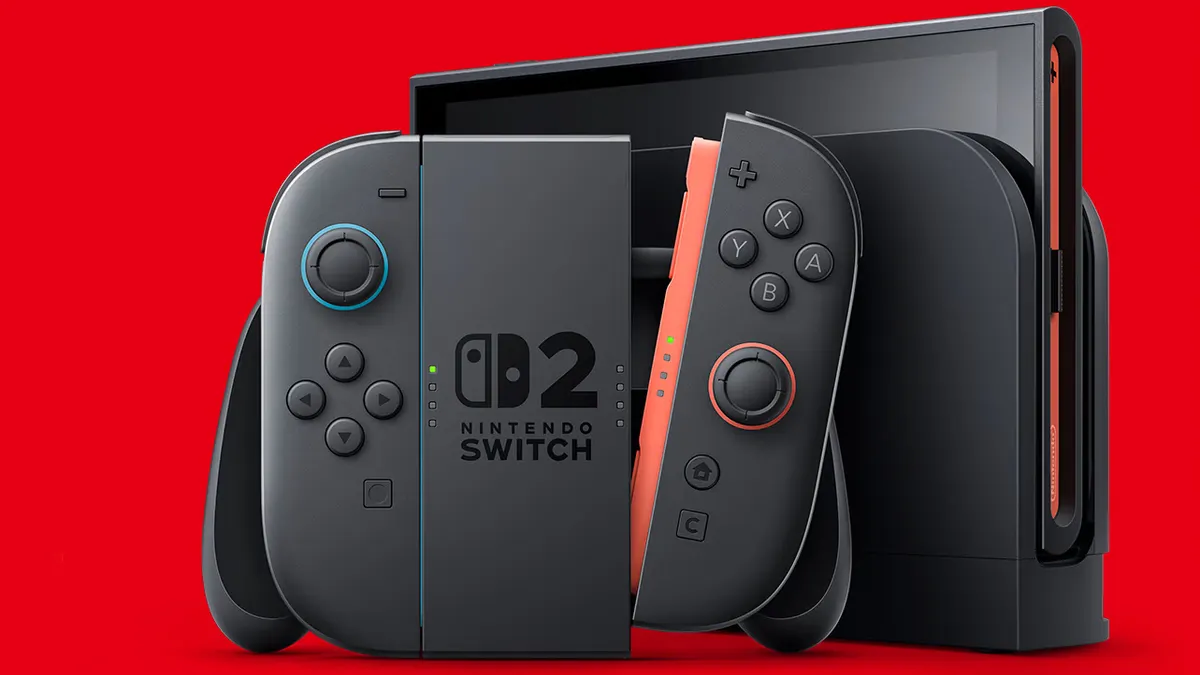
NLRB Issues Guide for Nintendo Employees on Filing Unfair Labor Charges
The NLRB lays out step-by-step procedures for Nintendo employees and contractors to file unfair labor practice charges, including deadlines, investigative steps, and possible remedies.
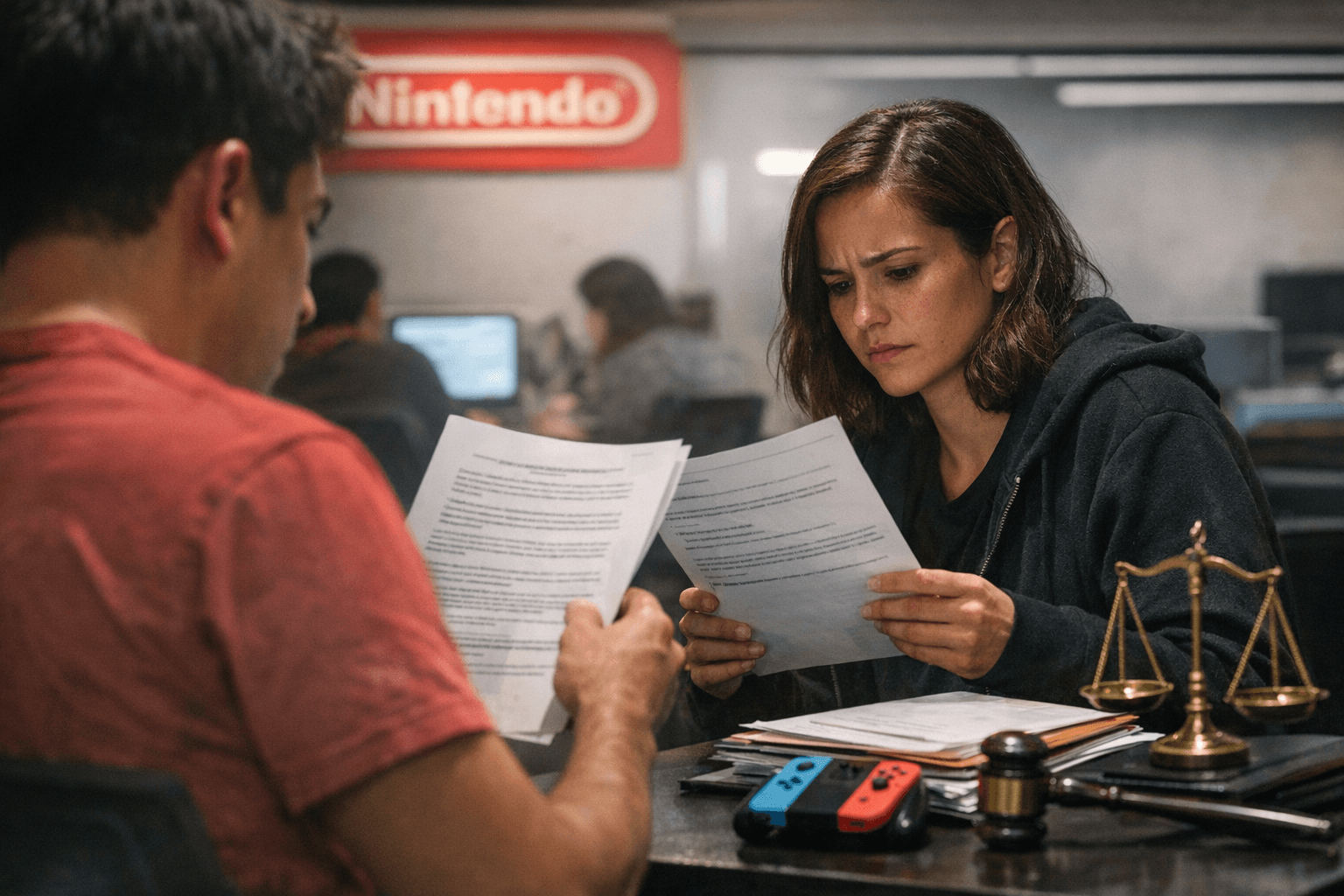
The National Labor Relations Board provides detailed, step-by-step instructions for Nintendo employees and contractors who believe their rights under the National Labor Relations Act have been violated. The guidance explains who may file a charge, how and where to submit one, the agency’s investigative process, typical timelines, and the remedies the NLRB can seek.
Employees, unions, and labor organizations may file unfair labor practice charges when they believe an employer interfered with rights such as collective bargaining, concerted activity, or protected organizing. Contractors who perform company work are included in the guidance, so QA testers, localization staff, in-house developers, and outside vendors should all consider whether an alleged violation affects NLRA protections. Charges generally must be filed within six months of the alleged violation, so prompt action is important.
How to file begins with identifying the appropriate NLRB regional office that covers your workplace and completing the agency’s charge form. The NLRB’s procedures move from intake and preliminary review to a full investigation if the charge alleges a potential violation. Investigators typically gather statements and documents, request the employer’s position, and may try to mediate or settle the matter before moving to litigation. If the agency finds merit and cannot reach a settlement, the case can proceed to an administrative hearing before an NLRB judge and ultimately to remedies ordered by the Board.
Possible remedies are concrete and can directly affect workplace outcomes. The NLRB can seek reinstatement for discharged employees, backpay for lost wages, and informational remedies that require employers to post notices about employees’ rights or correct past misrepresentations. These remedies aim both to make workers whole and to restore lawful workplace practices.
For Nintendo employees, the guidance lowers procedural uncertainty during contentious episodes such as union organizing drives or disputes over working conditions. Clear timelines and defined investigative steps reduce the risk that a missed deadline prevents legal review. At the same time, filing a charge can reshape workplace dynamics by escalating disputes into formal proceedings and prompting management to engage legal counsel or seek settlement.
What this means for employees is practical: preserve documentation and timelines related to alleged violations, document witnesses and communications, and act within the six-month window. Contacting a union representative or legal counsel can help frame a charge. The NLRB’s procedures provide a defined path for resolving alleged NLRA violations, and following the agency’s steps can determine whether a dispute is settled internally or moves into formal enforcement.
Know something we missed? Have a correction or additional information?
Submit a Tip