NLRB posts plain-language rights guide affecting Pizza Hut employees
The NLRB posted plain-language resources explaining workers' rights under the NLRA, including concerted activity and union elections. It gives Pizza Hut staff and managers a clear roadmap for franchised workplace disputes.
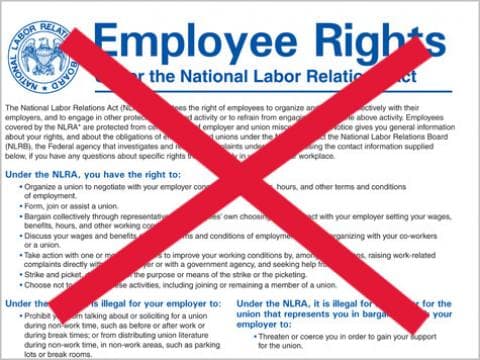
The National Labor Relations Board has published plain-language guidance that explains key employee rights under the National Labor Relations Act, spelling out what counts as protected concerted activity and how workers can seek union representation. The guidance is aimed at both employees and employers and includes short explainer pages, step-by-step complaint filing procedures, and links to regional NLRB offices for local assistance.
Under the NLRA, employees may engage in concerted activities for mutual aid or protection. That protection covers conversations and actions about pay, hours, scheduling, safety and other working conditions. The NLRB materials also describe how to file an unfair labor practice charge if an employer interferes with organizing or retaliates against workers, how union representation elections operate, and what employer communications are lawful during an organizing drive.
For Pizza Hut workers and managers, the guidance matters because Pizza Hut’s system is heavily franchised. Many disputes that arise at the store level, sudden scheduling changes, pay or benefits differences across franchisees, and safety incidents in kitchens or delivery routes, can trigger concerted activity when workers talk to each other or act together. The NLRB resources give employees a clear sense of the legal protections available if they raise concerns collectively, and they give managers a clearer statement of conduct that could lead to an unfair labor practice charge.
The guidance is likely to change workplace dynamics in practical ways. Employees who previously felt uncertain about raising problems may be more willing to discuss issues jointly or seek representation, increasing the likelihood of formal complaints and organizing activity. Franchise owners and store managers may need to rethink how they handle scheduling, tip policies and safety follow-up to avoid actions that could be seen as retaliatory or coercive. The NLRB materials also provide a useful checklist for managers on what not to do during an organizing effort and where to send workers who ask about their rights.
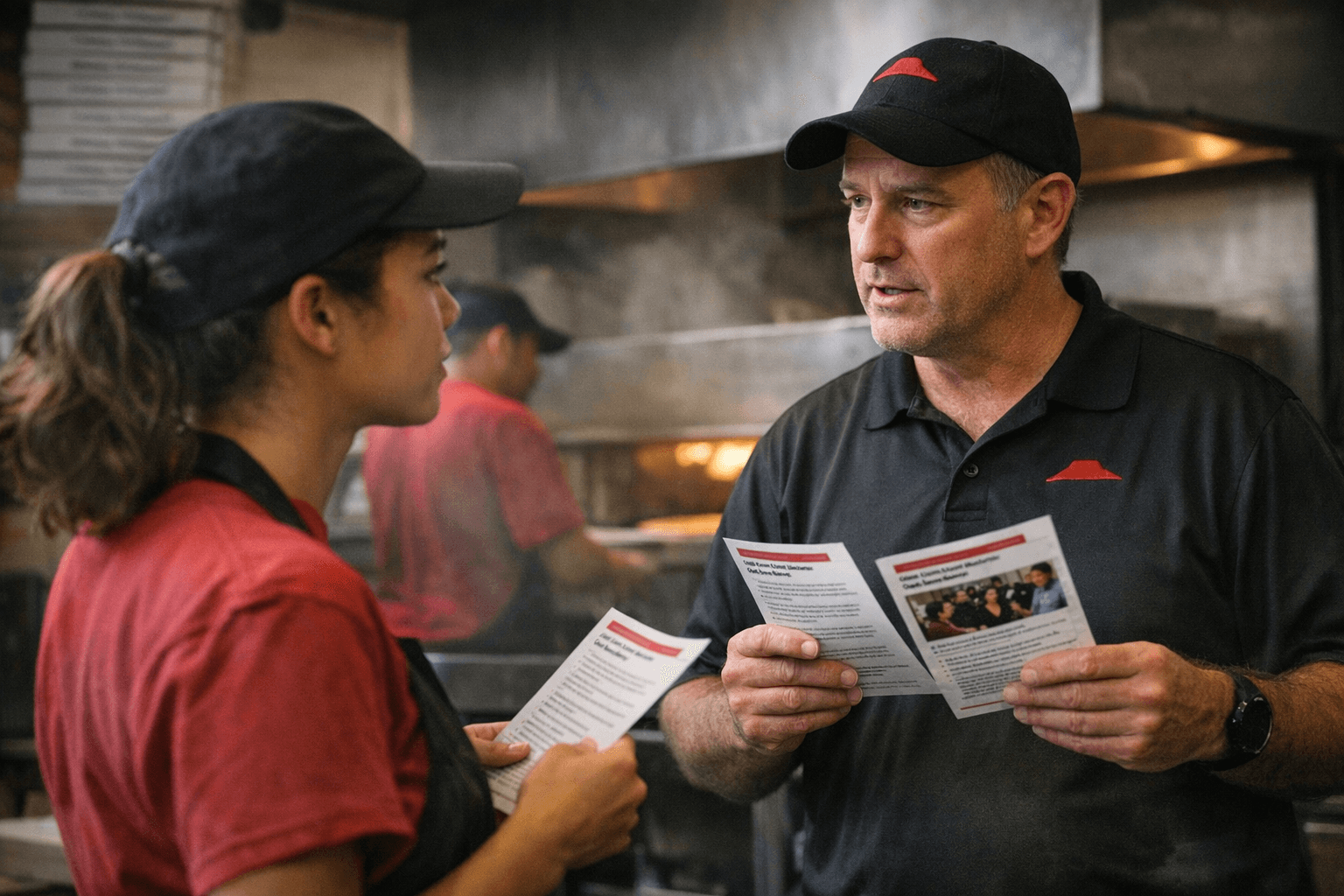
Workers who want to use the guidance should start with the short explainer pages to confirm whether their actions qualify as protected concerted activity, then follow the NLRB’s complaint-filing procedures or contact the regional office listed on the site for local support. Managers and franchise leaders should review the employer guidance and consider training or legal consultation to ensure discipline, communications and scheduling are handled consistently across locations.
The takeaway? Know your rights and document your concerns, and if you’re a manager, treat conversations about pay and safety as potential triggers for protected activity. Our two cents? Open, consistent policies at the store and franchise level cut down on conflict, and knowing the NLRB playbook helps both sides avoid costly missteps.
Know something we missed? Have a correction or additional information?
Submit a Tip