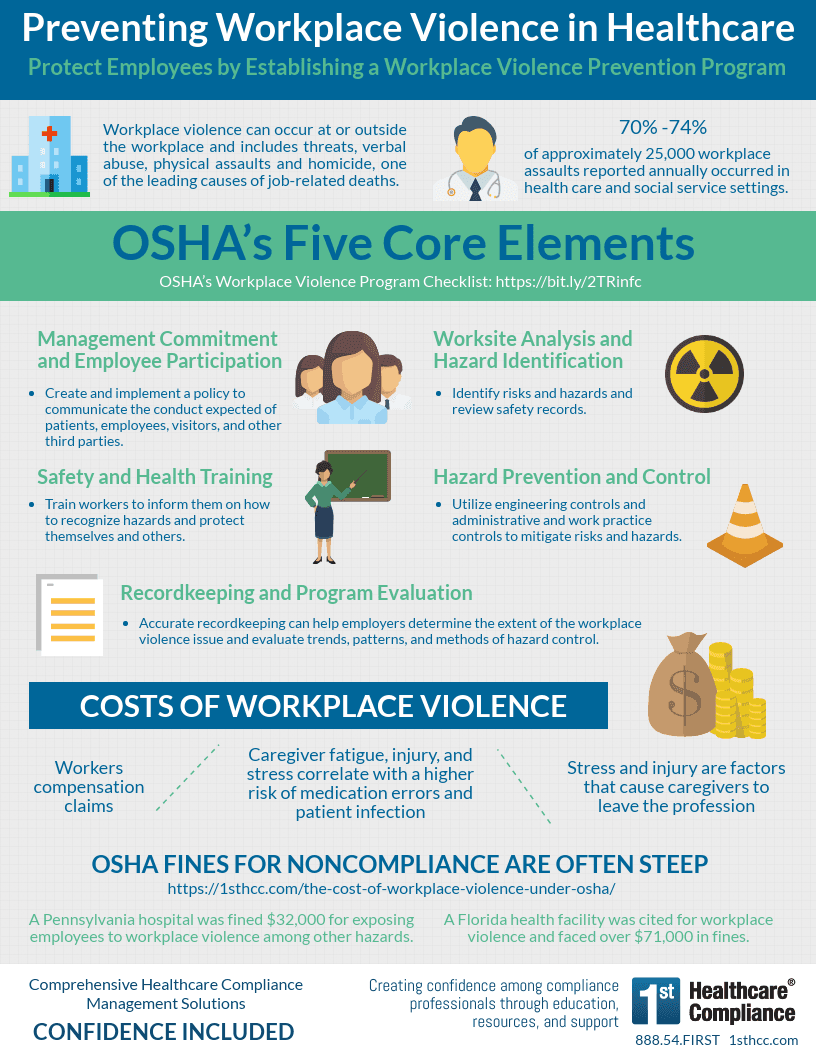
NLRB publishes Rights We Protect guidance on employee organizing and filing charges
The NLRB's Rights We Protect page explains employee organizing rights and how to file charges or representation petitions, giving workers a clear, official place to start.
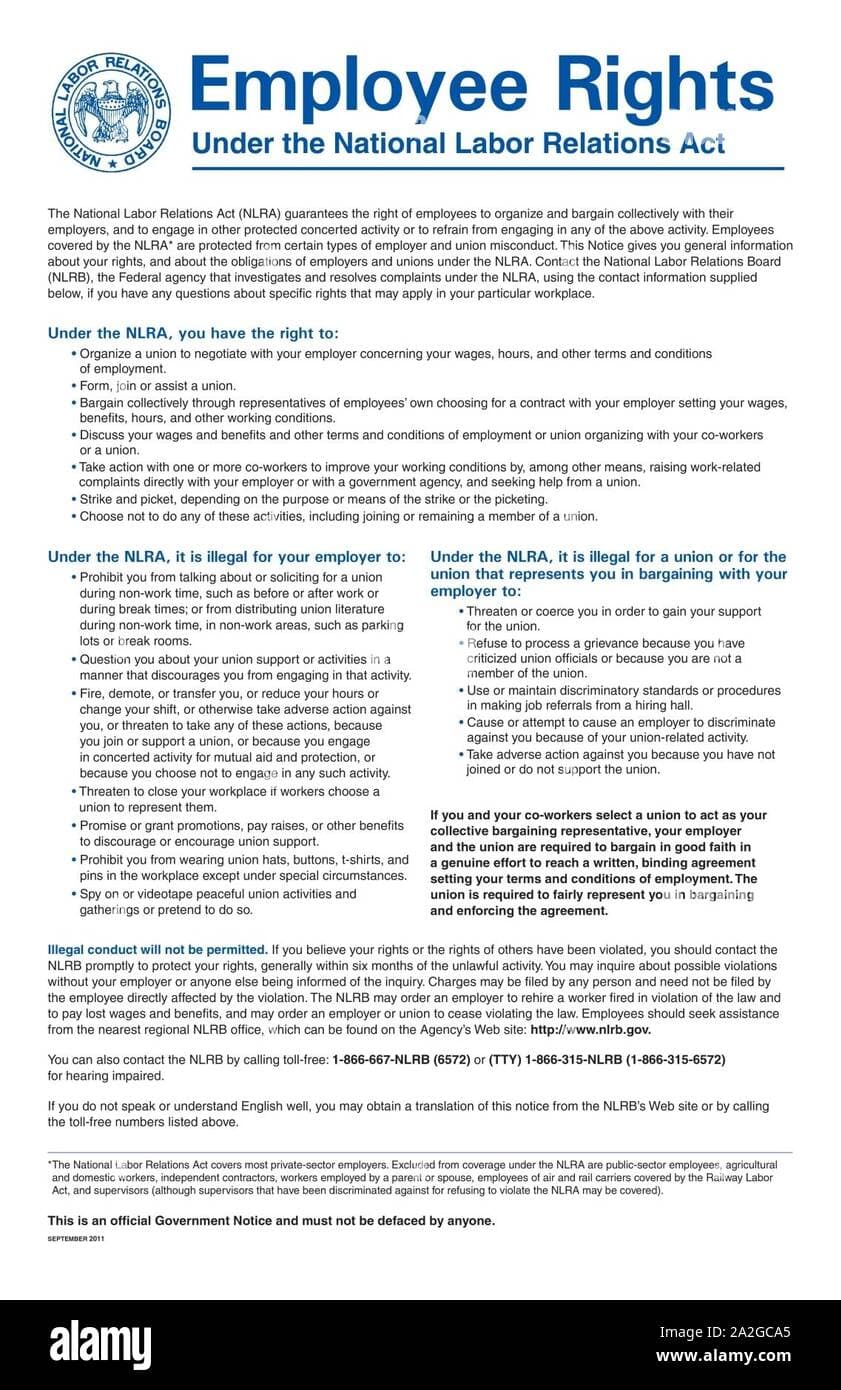
“The National Labor Relations Board protects the rights of most private-sector employees to join together, with or without a union, to improve their wages and working conditions.” That statement is central to the NLRB’s Rights We Protect page, an official resource that lays out who the board covers and what options employees have if they believe their workplace rights were violated.
The page explains that workers who think an employer or a union has engaged in unlawful conduct “may file a charge through one of our regional offices.” It also makes clear that “Petitions for representation and decertification elections may also be filed at regional offices.” Sections on the page are organized under headings including “Your Rights,” “The Law,” and “Our Enforcement Activity,” with navigation and contact features grouped under “Content in Other Languages” and “Connect With NLRB.”
For crew members and managers at private restaurants, the guidance underscores that protections apply broadly to “most private-sector employees.” The site supplies search guidance for people who want to check case records or follow enforcement actions, offering example search patterns such as “Case Number e.g. 22-CA-029179,” “Single word e.g. Casino,” “Multiple words e.g. casino resort,” and “Multiple words in exact order e.g. “casino resort”.” Those patterns can help employees and advocates track charges and representation petitions without needing exact case citations.
The page also emphasizes site security and authenticity, noting “Official websites use .gov,” that “Secure .gov websites use HTTPS,” and advising to “Share sensitive information only on official, secure websites.” Language options are indicated by links labeled “Español” and “Other Languages world globe,” and readers are invited to “Connect With NLRB” through social and news channels listed on the page, such as NLRB Facebook, NLRB Twitter, NLRB Instagram, NLRB LinkedinNLRB News, and NLRB RSS feed.
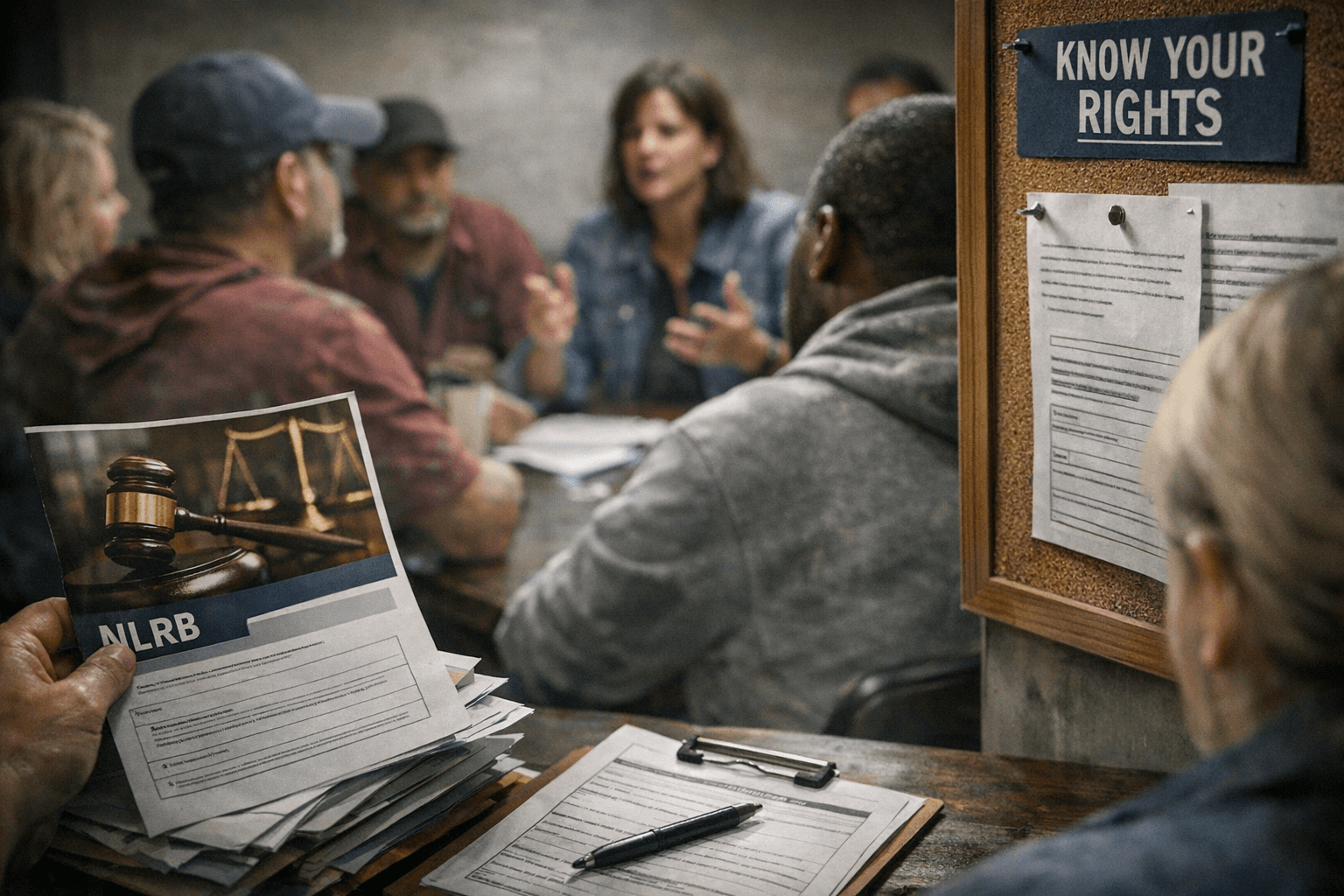
The resource is practical but not exhaustive. The board’s text points users to regional offices for filing but does not include detailed regional office addresses or phone numbers in the excerpts provided. The page’s structure and search tips give workers a starting point for filing unfair labor practice charges or initiating representation and decertification petitions, but employees who need hands-on help will likely have to follow the site’s contact links or seek local assistance.
For Taco Bell employees weighing organizing or seeking to challenge workplace conduct, the Rights We Protect page is a clear, official first stop: it defines the basic protections, explains how to bring charges, and offers case-search tools and language options. Employers and workers should treat the page as a launching pad for next steps—contacting a regional office, consulting a representative, or reviewing case records—to move from questions about rights to concrete action.
Know something we missed? Have a correction or additional information?
Submit a Tip