NLRB rights guide clarifies Home Depot associates' organizing protections
The NLRB's Your Rights pages outline protections for private‑sector workers, showing what Home Depot associates can do when discussing pay or organizing.
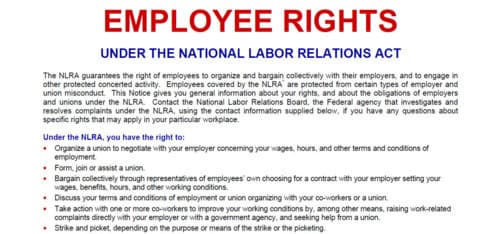
Federal labor guidance spelled out what retail associates can and cannot be barred from doing when they talk about pay, schedules and other workplace conditions. The National Labor Relations Board’s "Your Rights" pages summarize protections under the National Labor Relations Act that apply to private‑sector employees, including those who work at Home Depot stores.
At the core of the guidance is the principle that employees have a right to act together to improve wages and working conditions with or without a union. That means conversations among associates about pay, schedules, staffing and safety are often protected as concerted activity. The NLRB guidance notes that employees may discuss wages and working conditions with coworkers, and that certain workplace discussions and actions qualify for legal protection. Employers may not lawfully threaten, discipline or terminate workers for exercising those rights.
The agency balances those protections against employers’ ability to maintain workplace order. Employers can enforce neutral, nondiscriminatory work‑time rules that regulate performance and safety. But blanket policies that broadly prohibit employees from discussing terms and conditions of employment during non‑work times or in non‑work areas are not permitted. In a retail setting, that distinction commonly plays out around breakrooms, parking lots and moments before or after scheduled shifts, where employees traditionally converse about pay and staffing.
The NLRB also enforces unfair labor practice charges and can provide remedies when employers unlawfully interfere with employee rights. For workers and store leadership, the practical upshot is twofold: associates have legal cover for many collective discussions about workplace issues, and managers need to tread carefully when responding to those conversations to avoid allegations of unlawful interference. HR and store leadership remain able to apply legitimate discipline for performance or safety violations, so long as enforcement is evenhanded and not motivated by protected activity.

The agency’s site includes practical resources that employees and HR professionals can use when questions arise, including instructions on how to file charges, regional office contacts and Know Your Rights cards that explain protections in plain language. For Home Depot associates weighing whether to raise concerns collectively or explore organizing, those materials are a direct starting point.
For workers, the guidance reinforces that discussing workplace issues with colleagues is often protected and that there are formal channels if an employer appears to retaliate. For managers and HR, it is a reminder to review policies and training so enforcement of work rules does not cross into unlawful interference. The next step for employees who believe their rights were violated is to consult the NLRB resources and, if warranted, file an unfair labor practice charge with the appropriate regional office.
Sources:
Know something we missed? Have a correction or additional information?
Submit a Tip