NMSA Reimagines A Midsummer Night's Dream as 1967 Summer of Love
Learn about NMSA's psychedelic, 1967 San Francisco–set production of A Midsummer Night's Dream and find performance and attendance details for Feb. 19–21.
1. NMSA reimagines Shakespeare through a 1967 Summer of Love lens
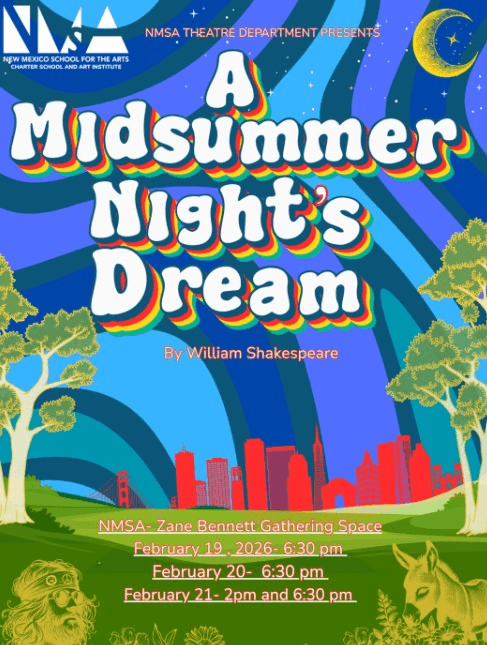
New Mexico School of the Arts’ theatre department is staging A Midsummer Night’s Dream reimagined and set in 1967 San Francisco, a creative pivot that puts Shakespeare’s romantic confusion and enchantment against a backdrop of flower power and counterculture. This framing reframes the play’s magic and comedy through iconic visual and musical cues from the Summer of Love, offering local audiences a familiar text with fresh cultural textures. For Los Alamos audiences, that means seeing classical theatre translated into imagery and rhythms that feel both nostalgic and vividly contemporary.
2. Performance dates and venue: Feb. 19–21 at Zane Bennett Gathering Space
The run is scheduled for Feb. 19–21 at NMSA’s Zane Bennett Gathering Space, giving residents a weekend opportunity to attend a campus production close to home. Weekend performances make the show accessible to families, students and working residents while bringing evening arts activity to the Hill. The venue choice also highlights NMSA’s role as a community hub where education and public life meet.
3. A psychedelic Summer of Love aesthetic blended with Shakespearean magic
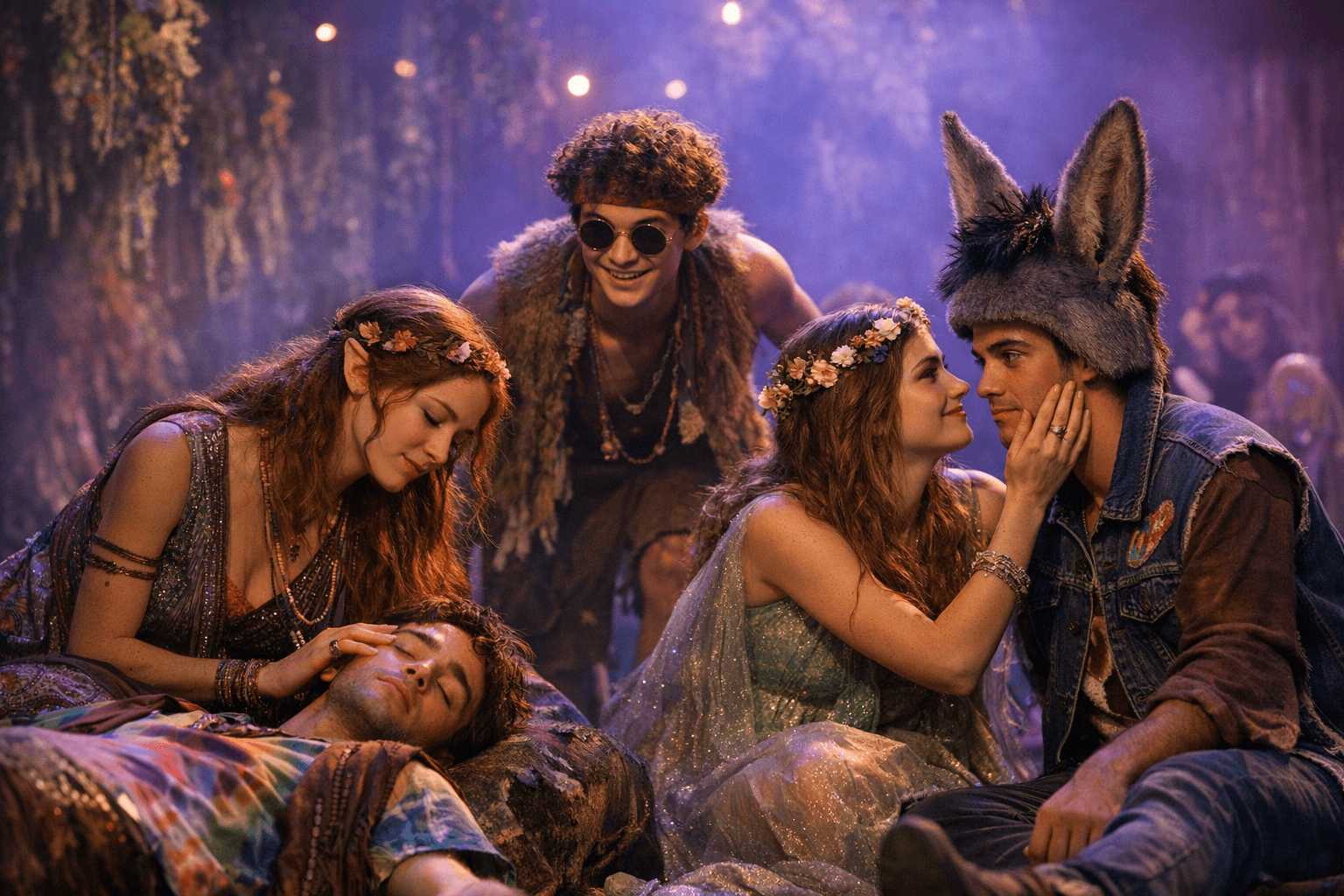
The production is described as a psychedelic, ‘Summer of Love’ take that blends flower‑power visuals with the play’s magical and comic elements, signaling bold design choices in costume, lighting and sound. Expect saturated colors, period motifs and staging that amplifies the play’s otherworldly moments—Puck’s mischief and the fairies’ spells—through 1960s counterculture sensibilities. That aesthetic choice can attract younger audiences and longtime theatergoers alike by connecting classical language to vivid contemporary imagery.
4. Student talent and fresh creative interpretation on display
The announcement emphasizes that the production will showcase student talent and a fresh creative interpretation, underscoring NMSA’s mission to train young artists in real-world, public-facing work. For students, mounting a reimagined Shakespeare is a hands-on laboratory for acting, design, stagecraft and collaboration that bolsters portfolios and professional readiness. For the community, it’s a chance to support emerging local artists and see how educational investment translates into public cultural offerings.
5. Ticketing and program details provided in the announcement
The production release notes that ticketing and program details are available through the announcement, directing residents to consult NMSA channels for specifics on purchasing, showtimes and program notes. Checking the official NMSA website or box office will give up-to-date information on seating, prices and any concessions or accessibility accommodations. Advance planning helps ensure seats—especially for popular weekend slots—and supports student programs through ticket revenue.
6. Community and economic ripple effects for Los Alamos County
Hosting vibrant student productions like this one generates small but meaningful economic activity for the county—audience members may dine in town, park, and pass time in local businesses—while reinforcing Los Alamos as a cultural destination beyond its scientific identity. The production also strengthens community cohesion by creating shared experiences that bring residents together across generations and neighborhoods, from the Hill to White Rock. Sustained arts programming helps diversify the local economy and contributes to livability, which matters for recruitment and retention of workers at LANL and small businesses alike.
7. Public health considerations for live events
As with any indoor gathering, local public health considerations matter for protecting vulnerable neighbors—those who are immunocompromised, elderly or have caregiving responsibilities. Residents should follow current county health guidance, stay home when sick, and consider personal mitigation measures such as masking if they prefer added protection. Organizers and attendees alike can keep the event welcoming by communicating safety options clearly and making accommodations for those who need them.
8. Social equity and access: why arts in schools is a health and civic priority
Arts education carries measurable benefits for youth mental health, social-emotional learning and civic engagement; showcasing student work publicly affirms those outcomes and increases equitable access to cultural capital. NMSA’s visible investment in student productions signals that the county values creative pathways alongside STEM strengths, but equity requires ongoing attention to affordability, transportation and outreach so economic barriers don’t limit who participates. Supporting policies and funding that keep tickets affordable, provide school partnerships and subsidize outreach can help make the stage reflect the whole community.
9. How residents can engage and take practical next steps
If you want to support or attend, check NMSA’s announcement for ticket and program details, plan for a weekend performance Feb. 19–21, and consider inviting neighbors or students who might otherwise not get to a show. Volunteer opportunities, talkback events, or post-show discussions—if offered—are ways to deepen the community benefit and connect with young artists. Treat the production as more than entertainment: it’s a public good that strengthens mental health, civic life and local equity—show up, bring someone, and advocate for sustaining arts access in county policies and school budgets.
Sources:
Know something we missed? Have a correction or additional information?
Submit a Tip