NOAA rushes to rebuild weather staff as tornado, hurricane threats loom
NOAA is racing to refill weather offices after deep cuts left 55 forecast sites at 20% vacancies or worse, just as hurricane season nears.

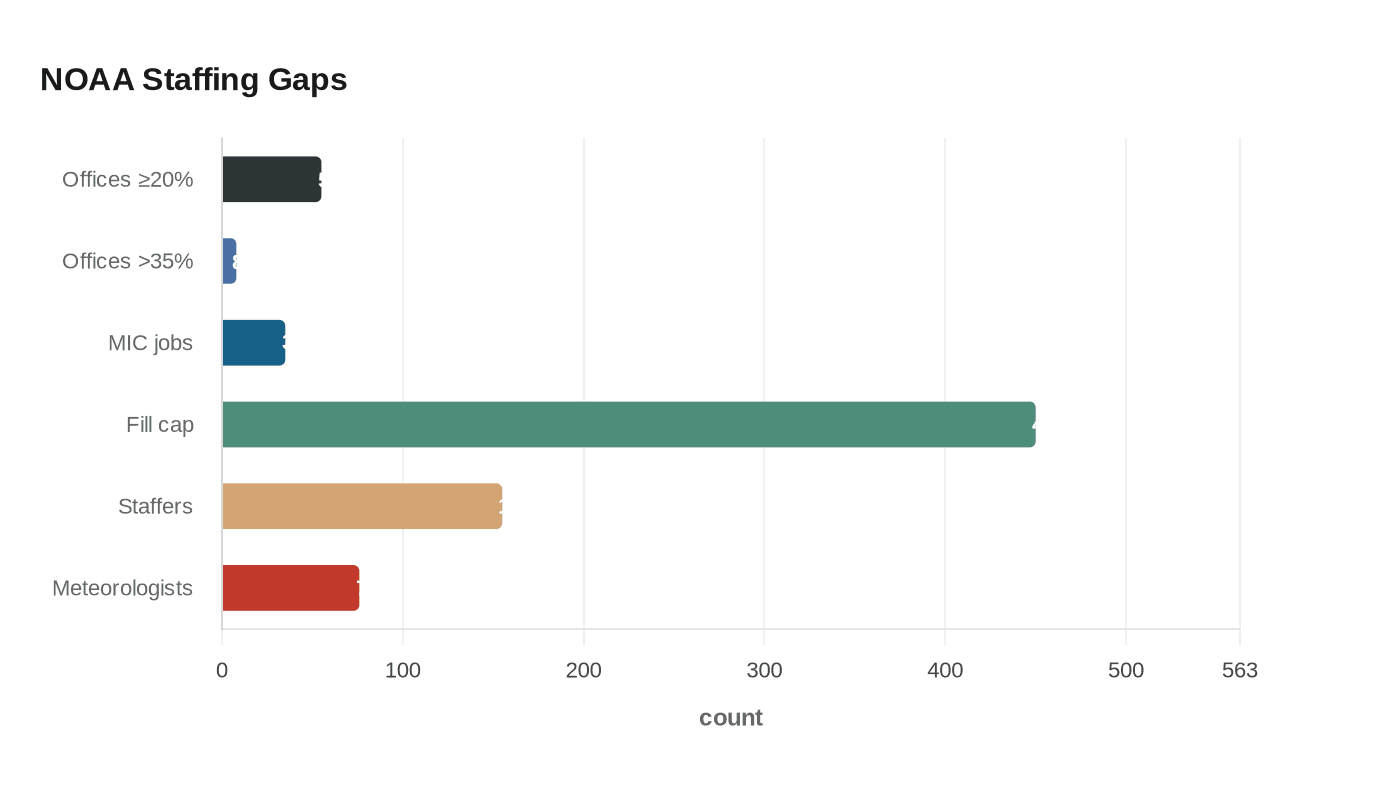
NOAA is rebuilding its weather service under pressure from a staffing hole that reached deep into the National Weather Service, with 55 of 122 forecast offices operating at vacancy rates of 20% or higher and eight offices missing more than 35% of their staff. In some places, the shortage was severe enough that overnight coverage was no longer sustainable, a breakdown that raises the stakes as tornado threats persist and hurricane season approaches.
The agency moved in June 2025 to hire for “mission-critical field positions” and temporarily reassign staff to stabilize frontline operations after cuts and a hiring pause hit the weather service. By August, federal officials said NOAA had authority to fill as many as 450 positions, including meteorologists, hydrologists and electronics technicians, a sign that managers were trying to restore basic capacity before the busiest months of the year.
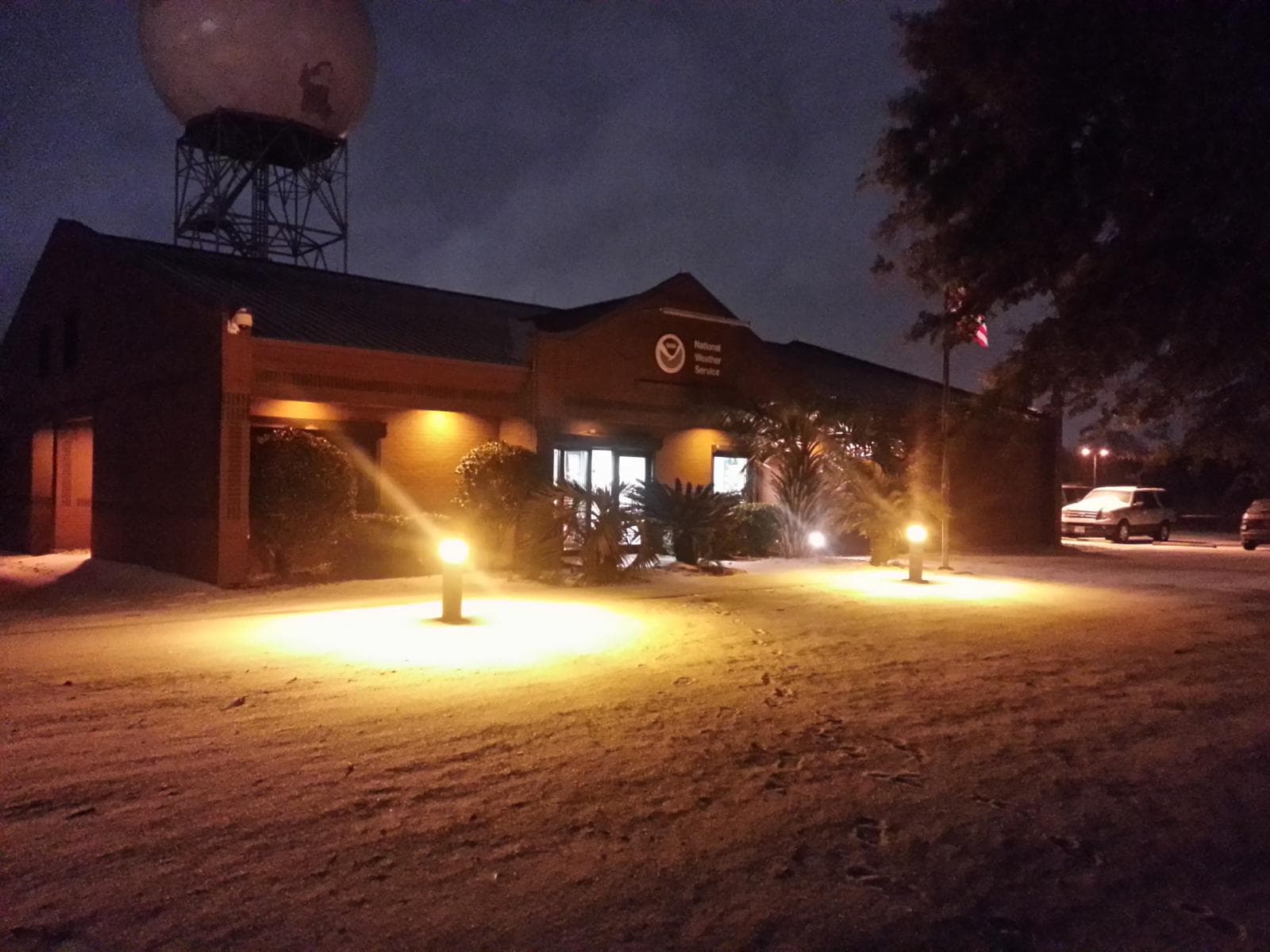
The problem was not just head count. Tom Fahy of the National Weather Service Employees Organization said 52 of the 122 forecast offices had vacancy rates above 20%, and at least 35 meteorologist-in-charge jobs were empty. NBC News also reported that NOAA was seeking 155 staffers, including 76 meteorologists, through a period of reassignment, while at least eight of the nation’s weather forecasting offices were unable to operate overnight or planned to cut overnight operations. That matters because overnight staffing is when warnings, radar monitoring and emergency coordination can become most fragile.
Former National Weather Service leaders warned that some offices had been stretched so thin they could fail. The real-world risk is straightforward: fewer experienced forecasters means more strain on warning teams, slower handoffs with emergency managers and less cushion when severe weather develops fast. Vacancies in hydrology and electronics jobs can also affect flood forecasting and the equipment that feeds radar and other critical data into the warning process.
The timing leaves little margin. The Atlantic hurricane season runs from June 1 through November 30, NOAA will release its 2026 Atlantic outlook on May 21, and Hurricane Preparedness Week runs from May 3 through May 9. NOAA is asking the public to prepare for the season even as it races to restore the staff needed to warn them.
This article was produced by Prism’s automated news system from verified source data, official records, and press releases, then run through automated quality and moderation checks before publishing. The system is built and supervised by the people who set the standards it runs under. Read our full AI policy.
Did this article answer your question?