NORAD says aircraft will soon arrive at Greenland’s Pituffik space base
NORAD announced aircraft will soon arrive at Pituffik Space Base to support long‑planned activities, saying the movement is routine and coordinated with Denmark and Greenland. The deployment heightens scrutiny of Arctic defence ties and transatlantic diplomacy.
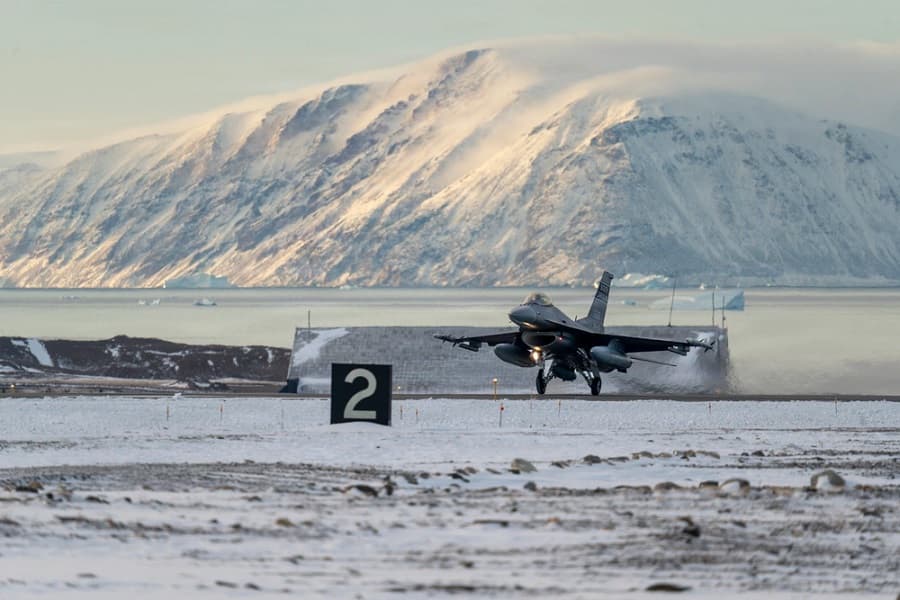
NORAD posted on X that “North American Aerospace Defense Command aircraft will soon arrive at Pituffik Space Base, Greenland” and that the movement will support “various long‑planned NORAD activities, building on the enduring defence cooperation between the United States and Canada, as well as the Kingdom of Denmark.” The command said the operation has been coordinated with Denmark, that “all supporting forces operate with the requisite diplomatic clearances,” and that “the Government of Greenland is also informed of planned activities.”
The announcement, made publicly on Jan. 19, 2026, underscores the strategic role of Pituffik Space Base in northwestern Greenland. The installation, formerly Thule Air Force Base, hosts a U.S. missile‑warning and communications capability that contributes to early warning and theatre awareness for North American defense. NORAD emphasized the deployment is routine, noting that “NORAD routinely conducts sustained, dispersed operations in the defense of North America, through one or all three NORAD regions (Alaska, Canada, and the continental U.S.).”
The operational notice offered no specifics on aircraft types, numbers, exact arrival dates or mission tasks. That lack of detail has left analysts and publics parsing the diplomatic language for signals. NORAD framed the movement as long‑planned and coordinated, but the timing comes against an escalated political backdrop: renewed interest from the U.S. executive branch in Greenland’s strategic value has prompted public pushback from Denmark and Greenland, both of which have reaffirmed Danish sovereignty and rejected proposals to transfer the territory.
Public reaction has been immediate online, where NORAD’s text circulated verbatim and drew commentary about how routine defence activity can be perceived amid political friction. Some analysts have warned that operations involving multiple Allies could complicate transatlantic relations if political pressure on Greenland were to intensify, highlighting a narrow diplomatic line for Canada and NATO partners who participate in joint defence frameworks.

For policymakers, the episode highlights competing imperatives: maintaining robust early‑warning and command-and-control systems in the Arctic while insulating defence cooperation from political controversies. The Pituffik site remains a linchpin for North American missile warning architecture; any change to access or posture would carry significant operational and procurement consequences. Longer term, governments are recalibrating force posture in the Arctic to address increased military activity by near‑peer competitors and to protect emerging maritime and resource corridors opened by climate change.
Markets may register the development indirectly. Defence contractors and logistics providers with Arctic capabilities are likely to come under closer investor scrutiny as nations allocate resources for infrastructure, command capabilities, and sensor networks. However, because NORAD described the activity as routine and provided no procurement or force expansion details, immediate market moves tied to this specific notice are likely to be muted.
Absent further official statements from Denmark or Greenland, the practical impact remains limited to strategic signalling. The key variables to watch are whether more detailed operational notices follow, whether allied capitals issue clarifying statements, and how NATO and national governments manage the diplomatic fallout while sustaining critical Arctic defence capabilities.
This article was produced by Prism’s automated news system from verified source data, official records, and press releases, then run through automated quality and moderation checks before publishing. The system is built and supervised by the people who set the standards it runs under. Read our full AI policy.
Did this article answer your question?