North American World Cup breaks attendance records ahead of knockout stage
Record crowds poured in before the Round of 32, even as ticket prices and travel restrictions tested the tournament’s North American logistics.
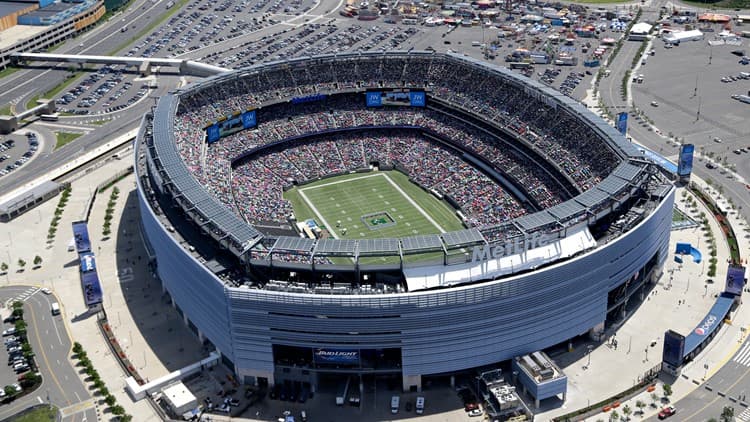
The 2026 World Cup entered its knockout stage on a high, with FIFA saying the North American tournament had already broken the all-time daily attendance record and passed the sport’s previous tournament total before the Round of 32 even began. The final will be played July 19 at MetLife Stadium in East Rutherford, New Jersey, capping a 104-match event spread across Canada, Mexico and the United States.
What was supposed to be the most unwieldy World Cup in history has instead become a showcase for scale. FIFA’s expanded 48-team format brought 1,248 players from 48 nations to 16 host cities, and the new bracket now moves from group play into a Round of 32 that opened June 28. That structure has changed the rhythm of the tournament, giving more countries a path into the decisive phase and more matches that carry elimination stakes from the start of the knockout round.
The most striking surprise so far has been the turnout. FIFA said 281,223 fans attended four matches on June 16, the highest-attended day in the competition’s history. By June 25, total attendance had reached 3,605,357, topping the previous World Cup record of 3,587,538 set in the United States in 1994. Stadiums were running at about 99.6% occupancy through 44 matches, a level that has undercut early assumptions that high prices and a sprawling calendar would dull demand.

Instead, the atmosphere has often looked like a national sporting festival as much as a soccer tournament. Reuters reported that attendance was on track for record highs despite high ticket prices and Trump administration travel restrictions, and experts said the crowds reflected America’s appetite for spectacle as much as soccer. That mix has given the tournament a louder, more varied soundscape than many expected, with visiting supporters, local fans and neutral spectators filling venues from one end of the continent to the other.
The logistics have been uneven beneath the surface. Travel restrictions left some fans effectively shut out while their teams played in North America, and the economic payoff for host cities has not been uniform. Business owners and analysts have said the tourism boost varies by city and by match, a reminder that the World Cup’s benefits are not being spread as evenly as its games. The tournament has already rewritten the attendance record book; the next test is whether that momentum carries through the knockout rounds all the way to East Rutherford.
This article was produced by Prism’s automated news system from verified source data, official records, and press releases, then run through automated quality and moderation checks before publishing. The system is built and supervised by the people who set the standards it runs under. Read our full AI policy.
Know something we missed? Have a correction or additional information?
Submit a Tip