North America’s joint World Cup bid touts unity, record scale
North America’s first three-country World Cup opened with Mexico, Canada and the United States promising unity across 16 host cities and 104 matches.
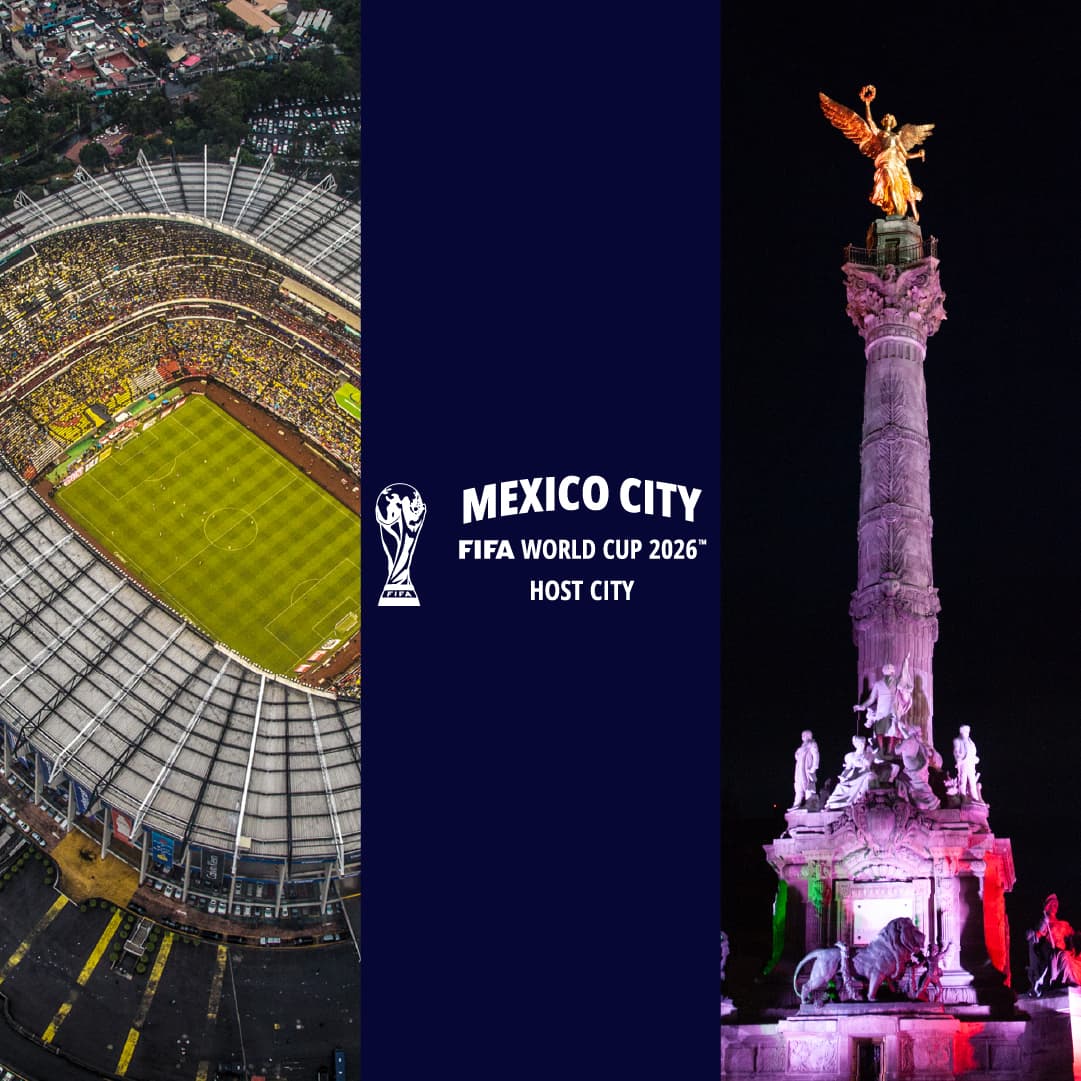
The 2026 World Cup opened with a promise of continental unity, but it also landed in a North America marked by real strains over trade, migration and diplomacy. FIFA’s pitch is unmistakably grand: a three-country tournament spanning Canada, Mexico and the United States, with 48 teams, 104 matches and a record 16 host cities.
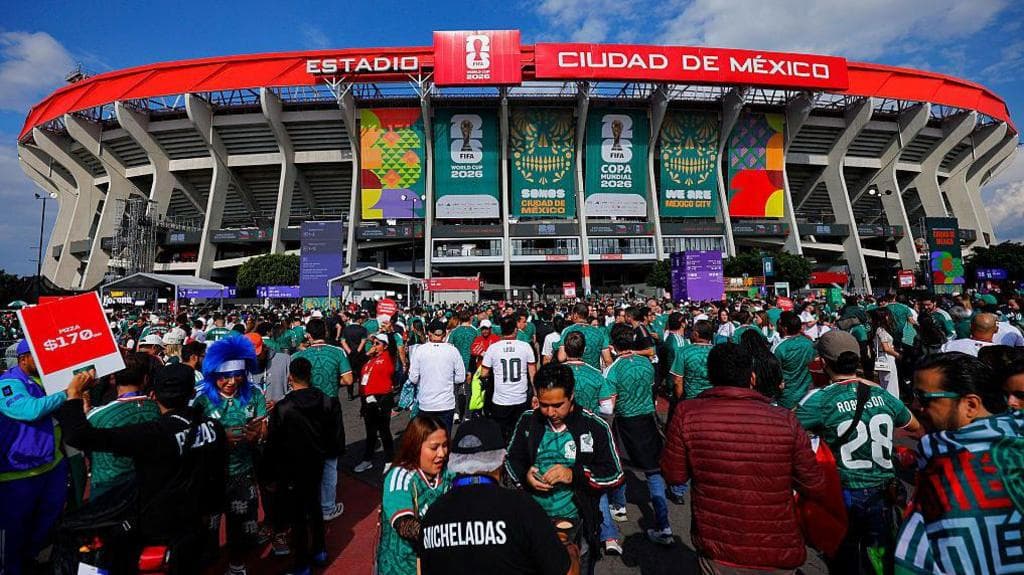
Mexico City Stadium hosted the opening match on June 11, launching the first men’s World Cup ever staged by three countries. FIFA says the final will be played at New York/New Jersey Stadium on July 19, closing a six-week event that returns the competition to its traditional June-July window for the first time since Qatar 2022. The scale is historic by any measure, and FIFA says it expects more than 6.5 million fans to pass through stadium gates across the three hosts.
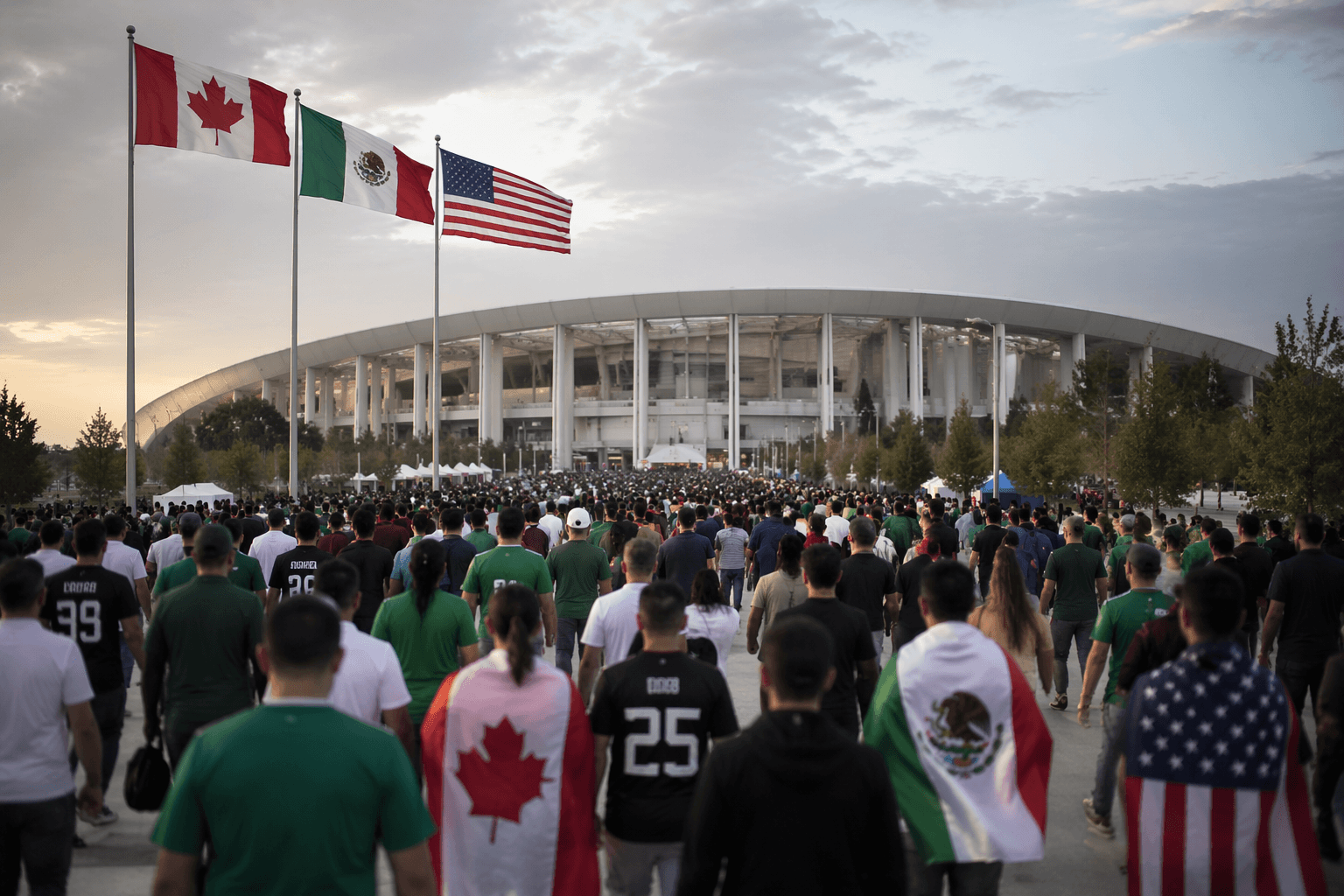
The tournament also reflects how far the World Cup has expanded. Eleven host cities are in the United States, three are in Mexico and two are in Canada, giving North America the most dispersed World Cup footprint in history. FIFA has cast the expanded format as a way to make the competition the largest and most inclusive ever staged, with the opening round alone underscoring the breadth of the event: Mexico met South Africa in Mexico City, Canada faced Bosnia and Herzegovina in Toronto, and the United States played Paraguay in Los Angeles.
For the United States, the tournament is a return to familiar ground. It is preparing to host its second men’s World Cup, after 1994, a tournament that remains a touchstone in the country’s soccer history. Mexico, meanwhile, joins a small group of nations that have hosted the men’s World Cup more than once, reinforcing its status as one of the sport’s most established venues.

Yet the marketing message of partnership sits uneasily beside the political moment. The joint bid was sold as proof that North America could coordinate on a scale few regions can match, even as its governments argue over tariffs, border pressure and foreign policy. That tension gives the tournament a sharper edge than a standard global sporting festival. FIFA may be presenting a celebration of shared infrastructure and shared crowds, but the three-country alliance will be tested by the realities of a continent that remains deeply divided even as it stages the world’s biggest event.
This article was produced by Prism’s automated news system from verified source data, official records, and press releases, then run through automated quality and moderation checks before publishing. The system is built and supervised by the people who set the standards it runs under. Read our full AI policy.
Did this article answer your question?