North Korea commissions its largest warship, a nuclear-capable destroyer
North Korea put its 5,000-ton Choe Hyon destroyer into service, sharpening Kim Jong Un’s push to move nuclear deterrence from land to sea.
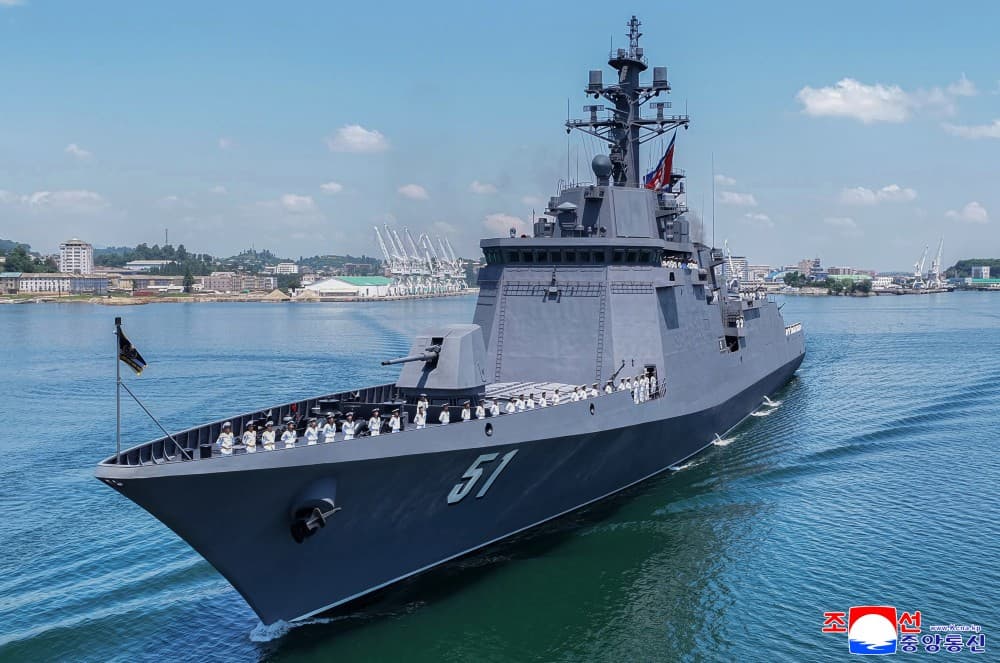
North Korea commissioned the Choe Hyon, its largest warship ever built, in Nampo on June 23, 2026, presenting the 5,000-ton destroyer as a new symbol of naval power and nuclear reach at sea. The ship is the first destroyer North Korea has publicly claimed as its own and the lead vessel of a newly announced Choe Hyon-class.
Kim Jong Un has cast the warship as evidence that North Korea is entering a “new era” at sea. State media has said the vessel carries anti-aircraft, anti-ship, ballistic-missile and cruise-missile systems, and has linked the ship to the broader push to expand naval nuclearization. The destroyer was launched on April 27, 2025, with Kim and his daughter, Kim Ju Ae, attending the ceremony at Nampo Shipyard, about 50 kilometers from Pyongyang.
The ship’s real strategic value is narrower than Pyongyang’s rhetoric suggests, but still significant. South Korea’s military said on May 1, 2025, that the new warship likely still required a considerable amount of time before deployment, a warning against reading too much into the optics of its unveiling. North Korea used the destroyer in weapons and missile tests on April 28 and 29, 2025, and again in March 2026, signaling that the vessel is being folded into a broader effort to develop sea-based strike options rather than just showcased as a one-off trophy.
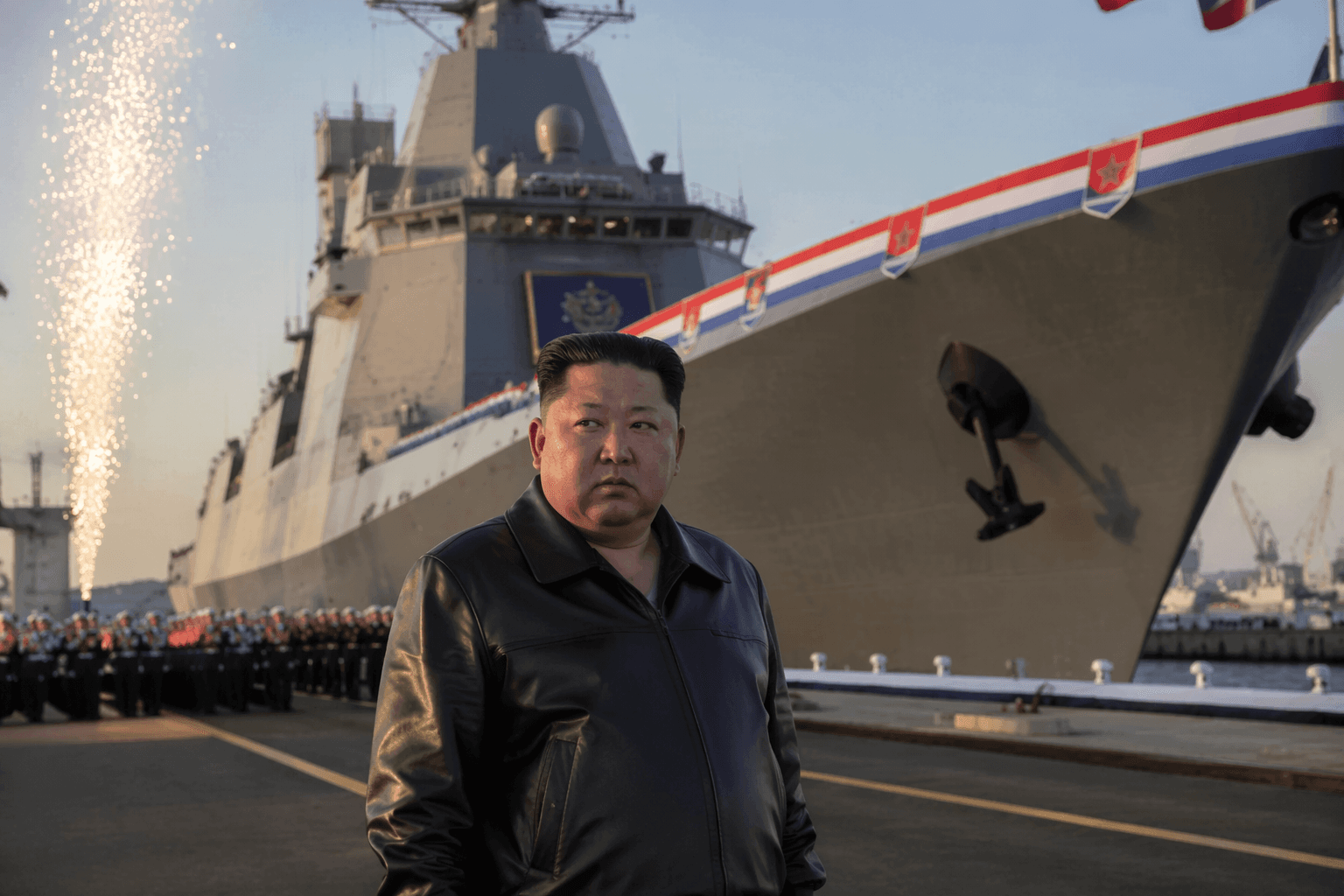
That matters because a destroyer able to carry missile systems complicates defense planning around North Korea’s west coast and beyond. KCNA has said the ship was intended to help defend North Korea’s western coast, but Kim has tied it to something larger: a navy capable of projecting nuclear power by sea. For South Korea, Japan and the United States, the immediate change is not a finished blue-water fleet, but a more unpredictable set of launch platforms to track, classify and deter.
The commissioning also fits a wider North Korean military buildup that has combined missile testing, naval messaging and repeated claims of technological progress. The Choe Hyon does not erase the limits of North Korea’s navy, but it does show where Pyongyang wants the deterrent to go next: beyond land-based launchers, and onto the water.
This article was produced by Prism’s automated news system from verified source data, official records, and press releases, then run through automated quality and moderation checks before publishing. The system is built and supervised by the people who set the standards it runs under. Read our full AI policy.
Know something we missed? Have a correction or additional information?
Submit a Tip