North Korean club says it is focused on football in South Korea
Naegohyang FC entered South Korea with 27 players and 12 staff, as 3,000 cheering seats and a sold-out crowd turned one semifinal into a rare inter-Korean moment.
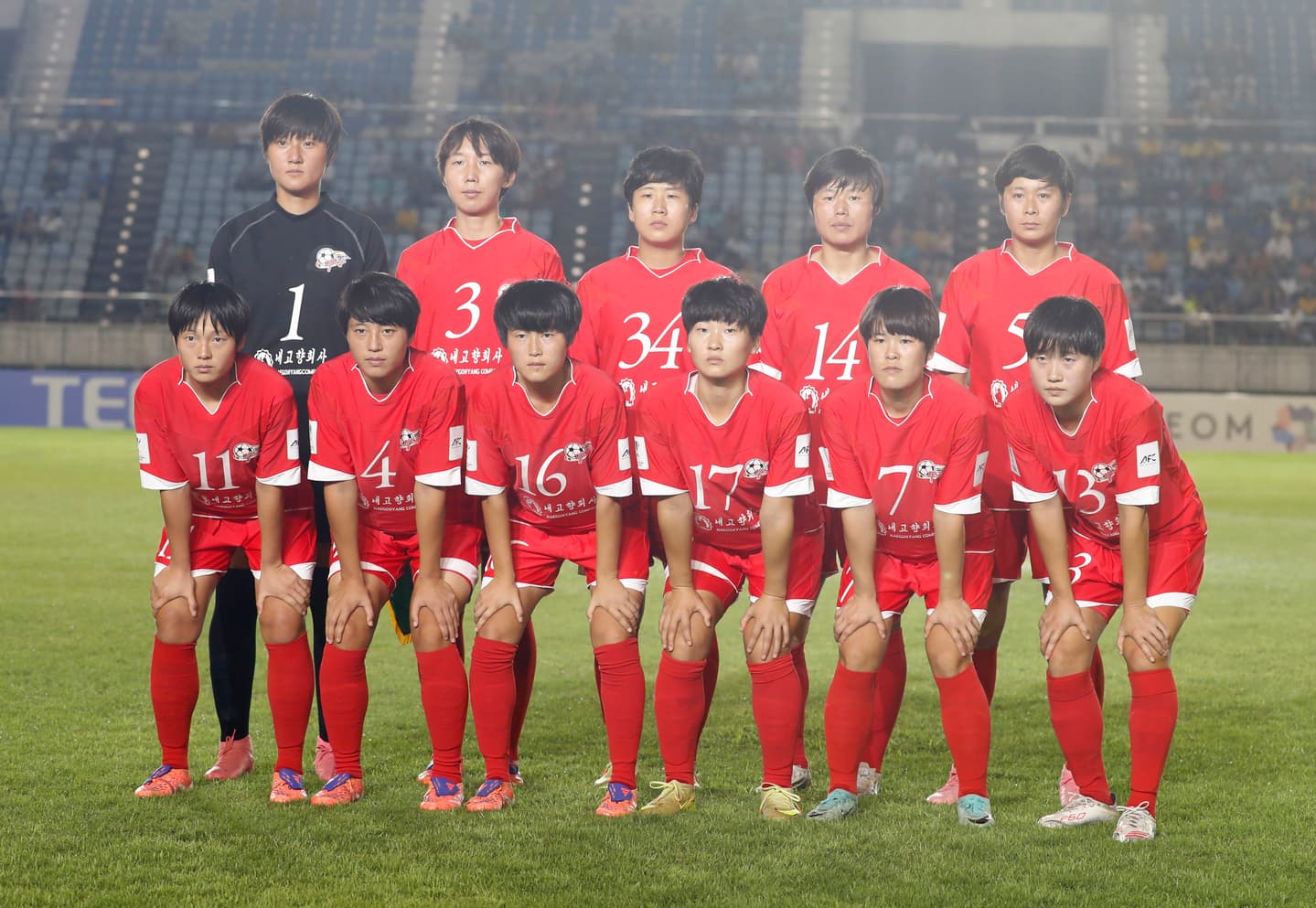
Naegohyang FC arrived in South Korea with 27 players and 12 staff and quickly tried to keep attention on the pitch, not the politics, around its rare appearance in the South. The North Korean women’s club is in Suwon for the AFC Women’s Champions League 2025/26 semifinal against Suwon FC Women, scheduled for Wednesday, May 20, 2026, and the trip marked the first visit by North Korean athletes to South Korea in eight years.
Coach Ri Yu Il pushed that line hard, saying the squad was focused on the match and on what comes next, rather than on the 3,000-strong cheering squad organized by South Korean activist groups. Captain Kim Kyong Yong delivered the same message, saying the players wanted to repay the trust of their parents and siblings by giving everything on the field. The remarks were careful, but they also showed how tightly managed this kind of exchange remains: the football was framed as football, even as the setting carried obvious diplomatic weight.

Outside the team hotel and the stadium, South Korean civic groups made sure the visit would be felt far beyond the technical area. More than 200 groups formed a joint cheering squad, saying they supported fair play and peace. South Korean reporting said about 3,000 spectators were tied to that effort, and the government’s decision to provide 300 million won in support drew controversy. Tickets sold out all 7,087 seats in roughly 12 hours after sales began on May 12, a sign that the match had become more than a routine continental semifinal.
Suwon FC Women coach Park Kil-young has been looking to make the most of home-ground advantage, and the AFC’s preview set the semifinal in the context of a broader competition run-up. The symbolism, however, extends well beyond tactics. North Korea has recently called Seoul its most hostile state, while the two Koreas remain technically at war because the 1950-53 conflict ended in an armistice, not a peace treaty. That is why a club football match in Suwon, with a controlled delegation, organized cheers and carefully worded comments, has become one of the few remaining spaces where contact still happens, however limited and fragile it may be.
This article was produced by Prism’s automated news system from verified source data, official records, and press releases, then run through automated quality and moderation checks before publishing. The system is built and supervised by the people who set the standards it runs under. Read our full AI policy.
Did this article answer your question?
.jpg&w=1920&q=75)