North Korean women’s soccer team makes rare visit to South Korea
North Korea’s Naegohyang Women’s FC crossed into South Korea for a semifinal in Suwon, a rare sporting meeting shadowed by worsening inter-Korean tensions.
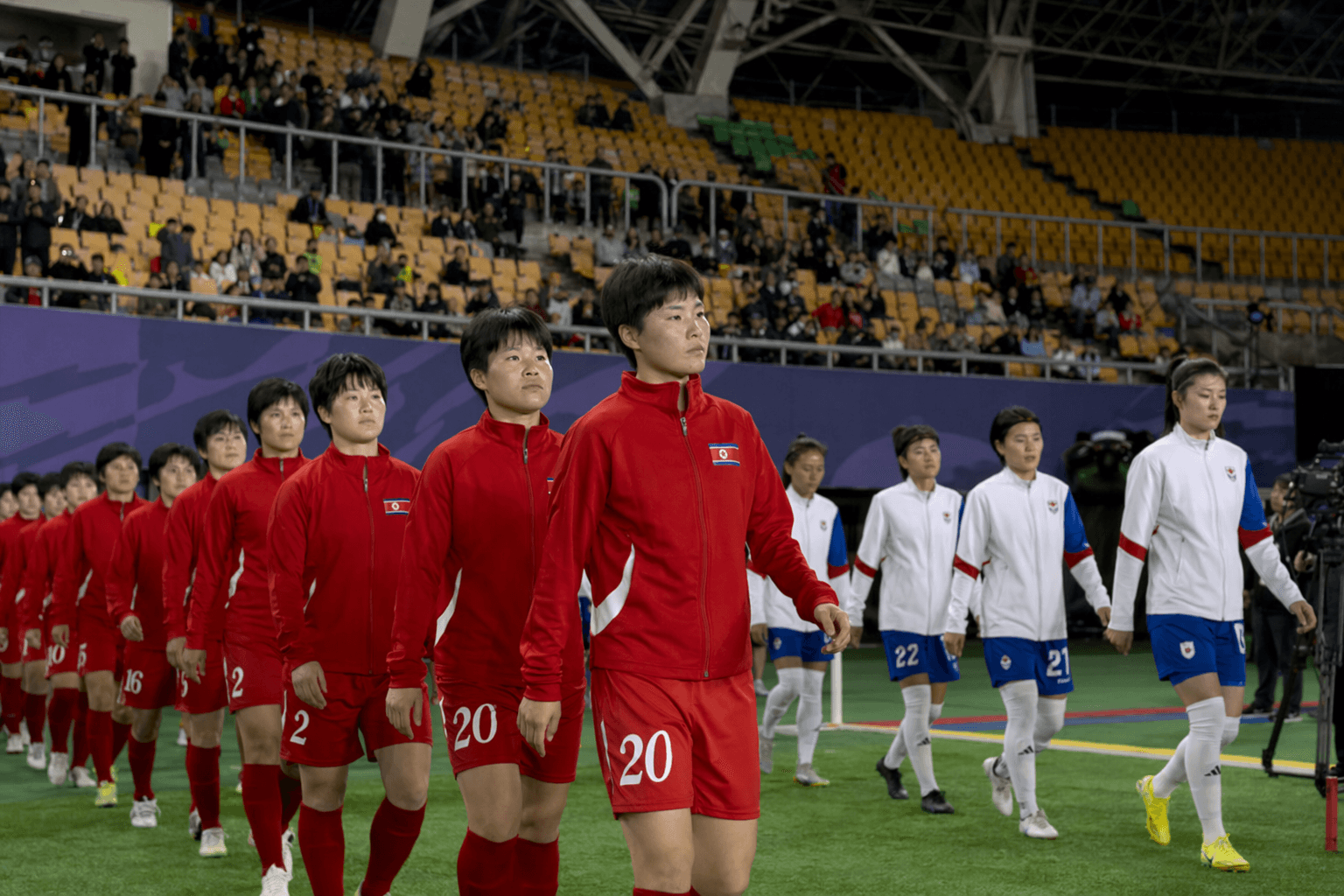
A North Korean women’s soccer team arrived in South Korea for a semifinal that carried as much diplomatic symbolism as sporting weight, even as Kim Jong Un’s government has hardened its stance toward the South. Naegohyang Women’s FC, a Pyongyang-based club founded in 2012, took on Suwon FC Women on Wednesday at Suwon Sports Complex, about 30 kilometers south of Seoul, in the AFC Women’s Champions League 2025/26.
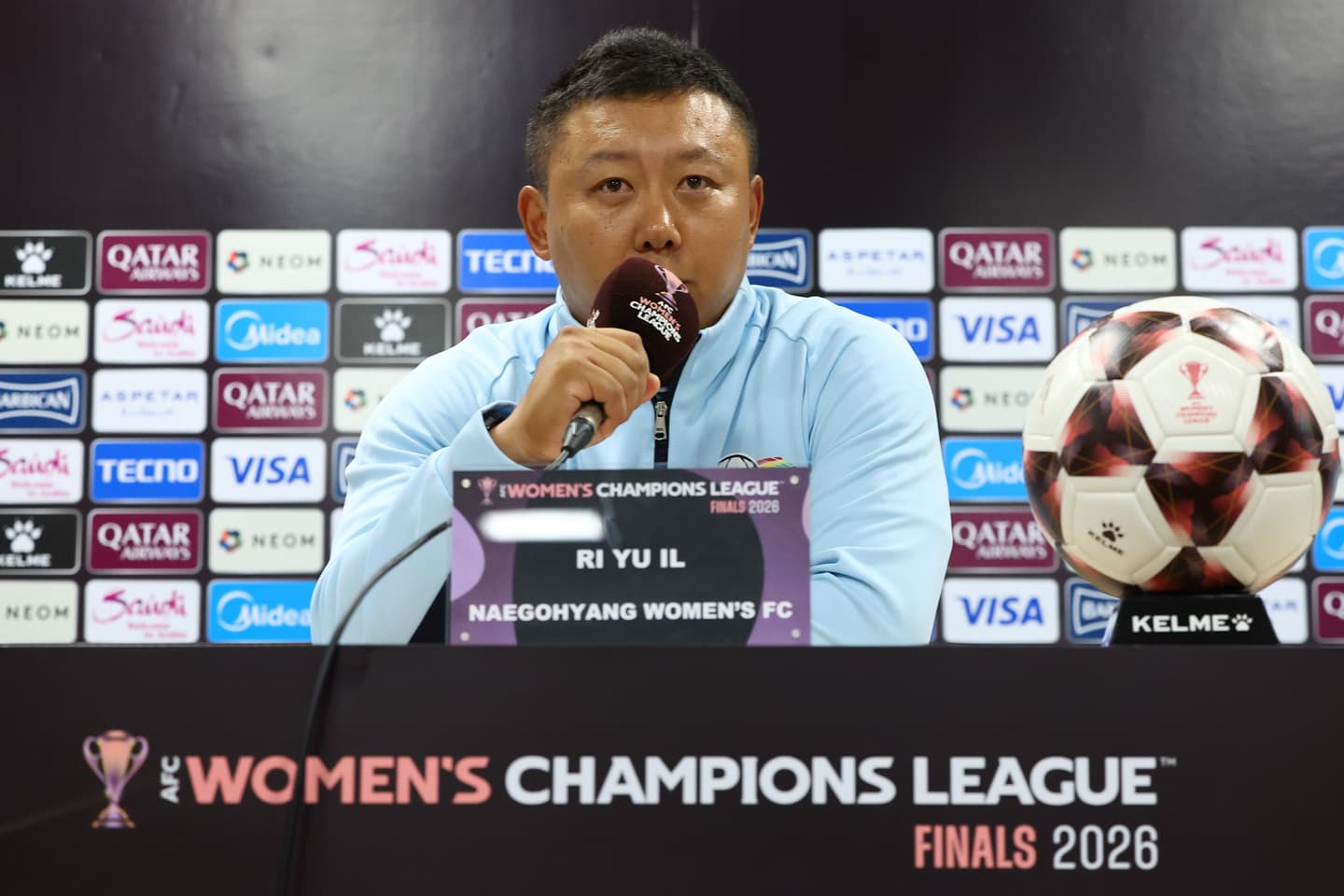
The North Korean delegation included 39 people, with 27 players and 12 staff members, South Korea’s Ministry of Unification said. The team was led by Ri Yu-il, a former head coach of North Korea’s women’s national team. The winner was set to advance to the final on May 23 against the victor of Melbourne City FC and Tokyo Verdy Beleza.
The visit marked the first time North Korean athletes had come to South Korea in eight years and the first visit by a North Korean women’s club team ever. It was also the first North Korean women’s football team to play in South Korea since the 2014 Asian Games in Incheon, and the first North Korean sports team of any kind to visit since 2018. Those milestones gave the match a weight that extended beyond the pitch, offering a rare face-to-face moment between the two Koreas at a time when official ties remain strained.
North Korea’s women’s program also arrived with fresh competitive credibility. The national team qualified in March for the 2027 Women’s World Cup, ending a 16-year absence from the tournament and underscoring the strength of the country’s women’s game. That form made the Suwon match more than a ceremonial encounter: it was a real test against one of South Korea’s top clubs, with a place in the continental final at stake.
Still, the logistics reflected the political distance between the two sides. South Korean reports said both teams were housed at the same hotel in Suwon, but separate dining areas and travel routes were arranged to limit contact. South Korea’s unification ministry approved the visit on May 14 under the Inter-Korean Exchange and Cooperation Act, while the trip also stirred domestic debate over taxpayer-funded cheering plans for the North Korean team. For one evening in Suwon, sport opened a narrow channel between two hostile neighbors, but the barriers around it remained firmly in place.
Know something we missed? Have a correction or additional information?
Submit a Tip