North Korea's Naegohyang wins Asian women's club title in South Korea
Kim Kyong-Yong struck in the 44th minute as Naegohyang edged Tokyo Verdy Beleza 1-0, giving North Korea its first Asian women’s club title in South Korea.
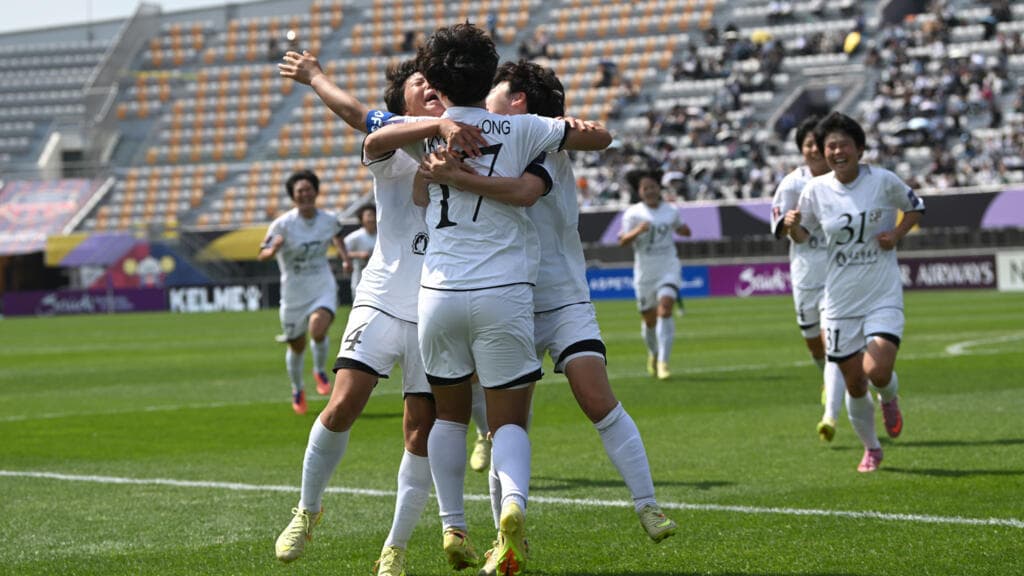
Naegohyang Women’s FC turned a rare trip south into a trophy and a geopolitical message, beating Tokyo Verdy Beleza 1-0 in the Asian Women’s Champions League final in Suwon, South Korea. Kim Kyong-Yong scored the only goal in the 44th minute, and the North Korean club became the first from its country to win the continental women’s title.
The result carried weight well beyond the scoreboard. Naegohyang had already lost to Tokyo Verdy Beleza 4-0 in the group stage, then reversed the matchup in the final and showed the kind of discipline and defensive control that can still unsettle a top Japanese side. Korean press reports said Kim finished tied for the tournament scoring lead with four goals and was named the competition’s Most Valuable Player.
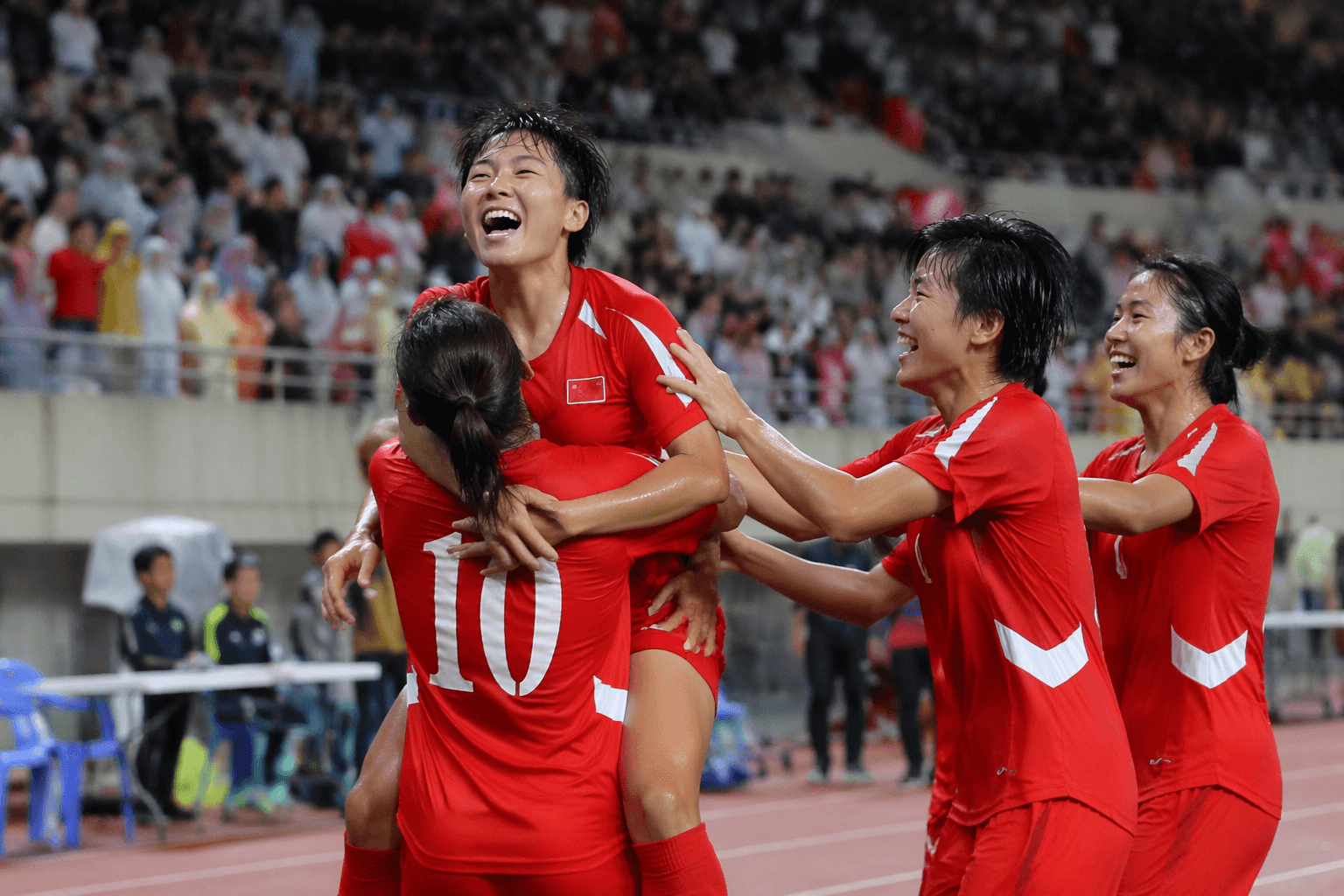
The victory also pushed Naegohyang into a broader Asian and global pathway. By winning the AFC Women’s Champions League, the club secured a place in the FIFA Women’s Champions Cup, the new competition for continental women’s champions. The title matters financially as well as symbolically: the AFC launched the 2024-25 tournament cycle with 22 clubs from 22 member associations, and Reuters-linked launch coverage said the top prize was US$1.3 million, the biggest payout in Asian women’s club football.
For North Korea, the timing and setting gave the win unusual diplomatic resonance. Naegohyang was the first North Korean sports team to visit South Korea in eight years, and the semifinal against Suwon FC Women was the first inter-Korean women’s club match at this level in the new competition. Naegohyang won that semifinal 2-1, with Kim Kyong-Yong scoring again, before returning to the pitch in Suwon Sports Complex for the final.
South Korean reports said hundreds of local supporters attended the matches, creating a crowd atmosphere that was uncommon for a North Korean club on South Korean soil. That visibility is part of why the title matters: in a region defined by military tension and sealed borders, women’s football became one of the few stages where North Korea could project competence, pride and national prestige beyond its borders.
There was still a practical question hanging over the celebration. Korean and international reporting said it remained unclear whether Naegohyang could collect the prize money because North Korean entities can face sanctions-related restrictions. Even so, the sporting achievement was clear. Naegohyang did not just win a final in South Korea. It claimed an early landmark in Asia’s new women’s club era and turned a football title into a rare moment of cross-border visibility.
Know something we missed? Have a correction or additional information?
Submit a Tip