North Korea's women beat South Korea in rare sports diplomacy test
North Korea's women beat South Korea 2-1 in Suwon, turning a rare semifinal into a tightly managed political spectacle. The result exposed how little sports alone has thawed the peninsula.

North Korea's Naegohyang Women’s FC turned a rare inter-Korean meeting into a political test, beating South Korea’s Suwon FC Women 2-1 in the AFC Women’s Champions League semifinal in Suwon, south of Seoul. The North Korean players were described as stone-faced until the moment they won, a portrait of discipline that also captured how heavily every encounter between the two Koreas still carries political weight.
The result sent Naegohyang into the tournament final, but the score line was only part of the story. This was the first sports team from North Korea to visit South Korea in eight years, and the first North Korean women’s club team ever to do so. The delegation arrived through Incheon International Airport from China, 39 people in all, including 27 players and 12 staff. Even before kickoff, the trip had already become a measure of how carefully both sides still stage any public contact.
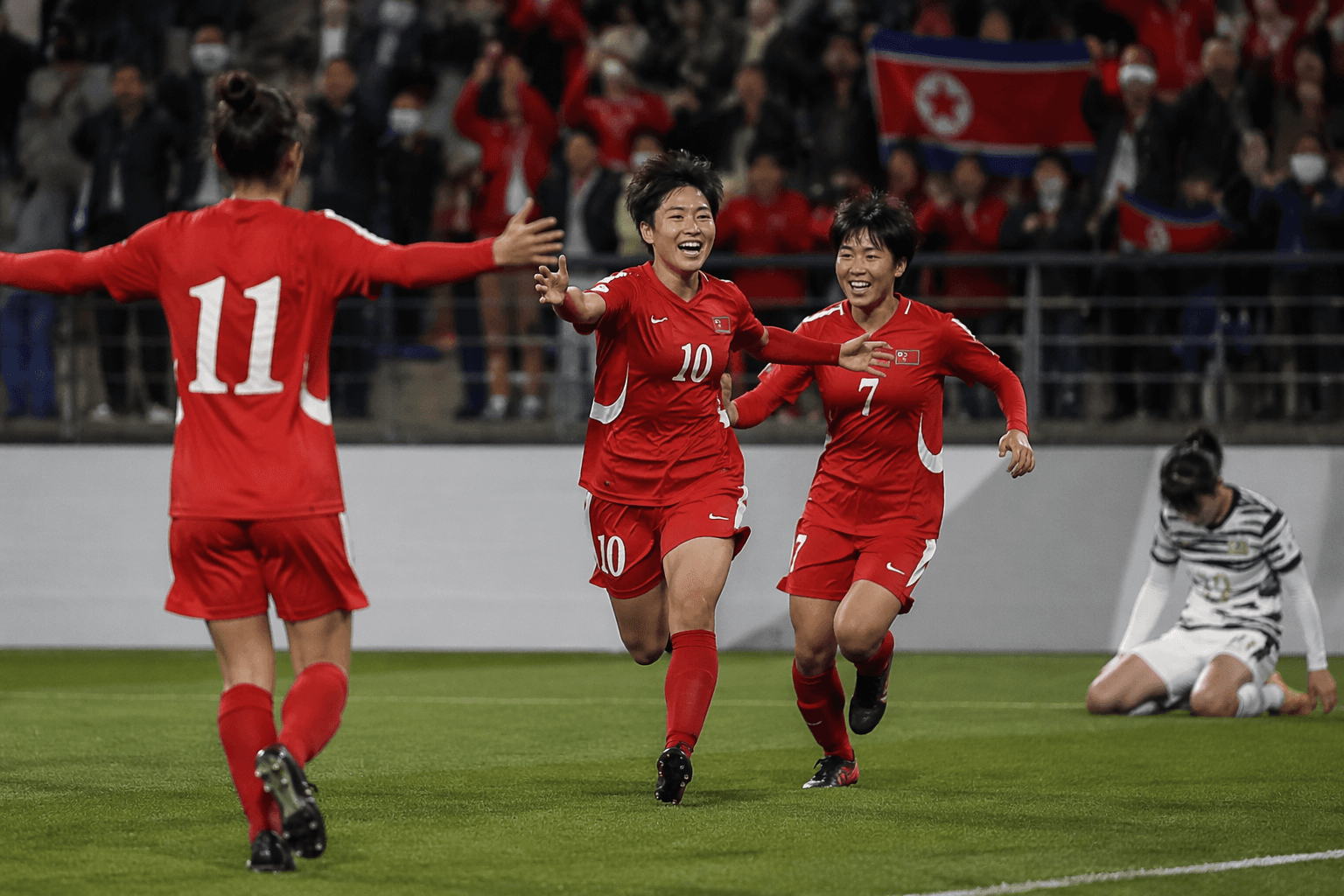
The crowd reflected that tension. All 7,087 tickets sold out in about 12 hours, and around 3,000 seats were set aside for a pro-North Joint North-South Cheering Squad, a decision that drew controversy in South Korea. Reports said the government provided 300 million won in support to the cheering group, underscoring how even a soccer match can become a dispute over symbolism, state messaging and who gets to define the meaning of cross-border contact.
That is what made the semifinal matter beyond sport. For North Korea, a victory in South Korea offered propaganda value and a disciplined image of state-backed resolve. For South Korea, the loss was a reminder that symbolic engagement has clear limits when the wider relationship remains frozen. Sporting exchange has long offered one of the few narrow channels between the two Koreas, but this match showed that the bridge is still fragile, controlled and easy to politicize.
The broader backdrop only sharpened the contrast. Women’s football in Asia is moving toward the FIFA Women’s World Cup 2027 cycle, and the AFC Women’s Asian Cup in Australia earlier this year doubled as the continent’s qualifying tournament. In that context, Naegohyang’s win was both a competitive advance and a reminder that on the Korean Peninsula, even a soccer result can become a state occasion before it becomes a sporting one.
This article was produced by Prism’s automated news system from verified source data, official records, and press releases, then run through automated quality and moderation checks before publishing. The system is built and supervised by the people who set the standards it runs under. Read our full AI policy.
Did this article answer your question?