North Slope Residents Weigh In on Federal Subsistence Rule Changes, FEMA Updates
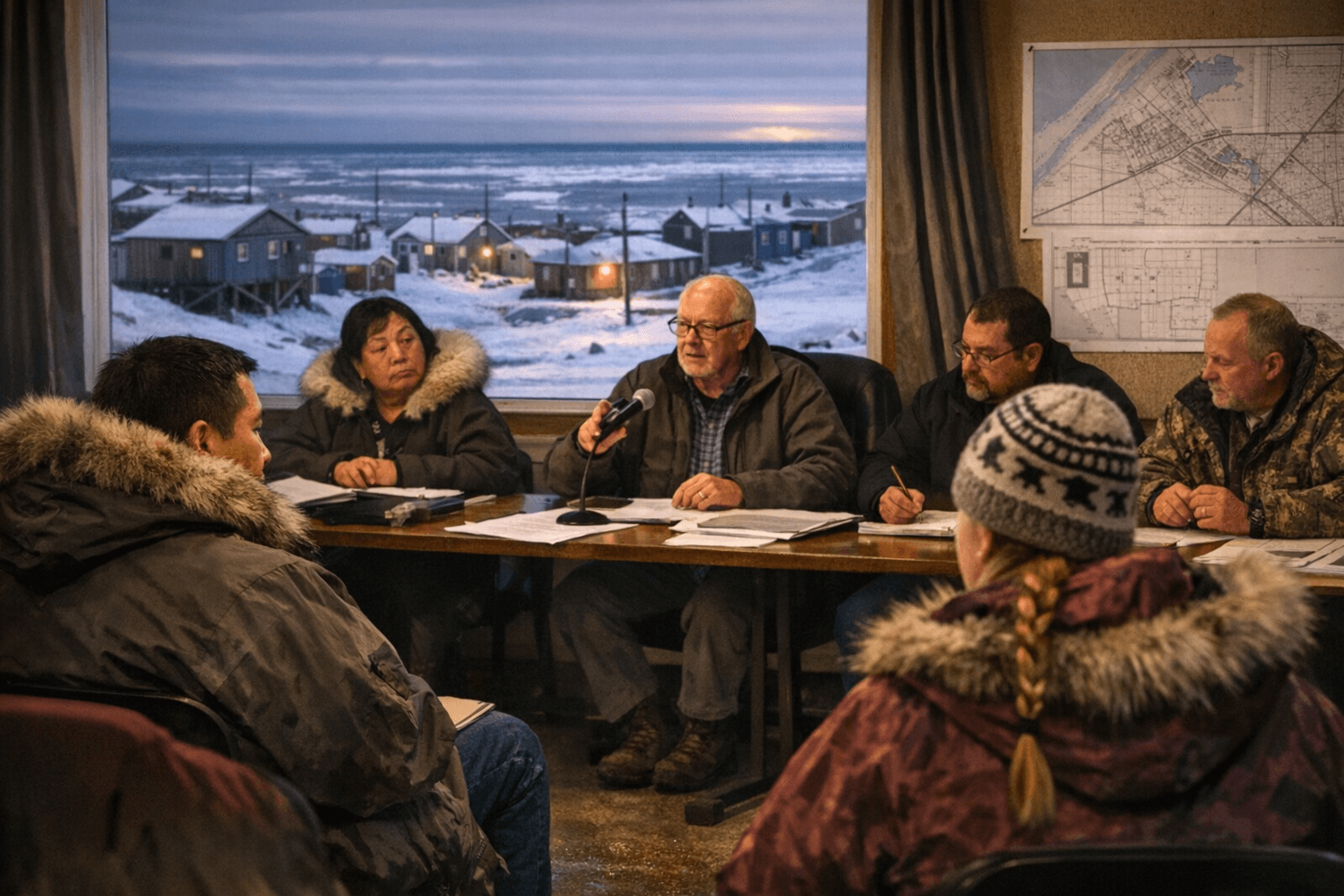
Alaskans raised concerns about a federal proposal to reform subsistence rules, a change residents say could affect food security and local harvests in the North Slope Borough.
Alaskans voiced concern after a statewide news roundup highlighted a controversial proposal to reform federal subsistence rules, a policy debate that has direct relevance to North Slope Borough residents and their subsistence activities. The Feb. 6 Alaska News Nightly episode focused on that proposal alongside a state endorsement of a proposed Fairbanks charter school and coverage of mushers starting the Yukon Quest; the broadcast did not include specific FEMA updates.
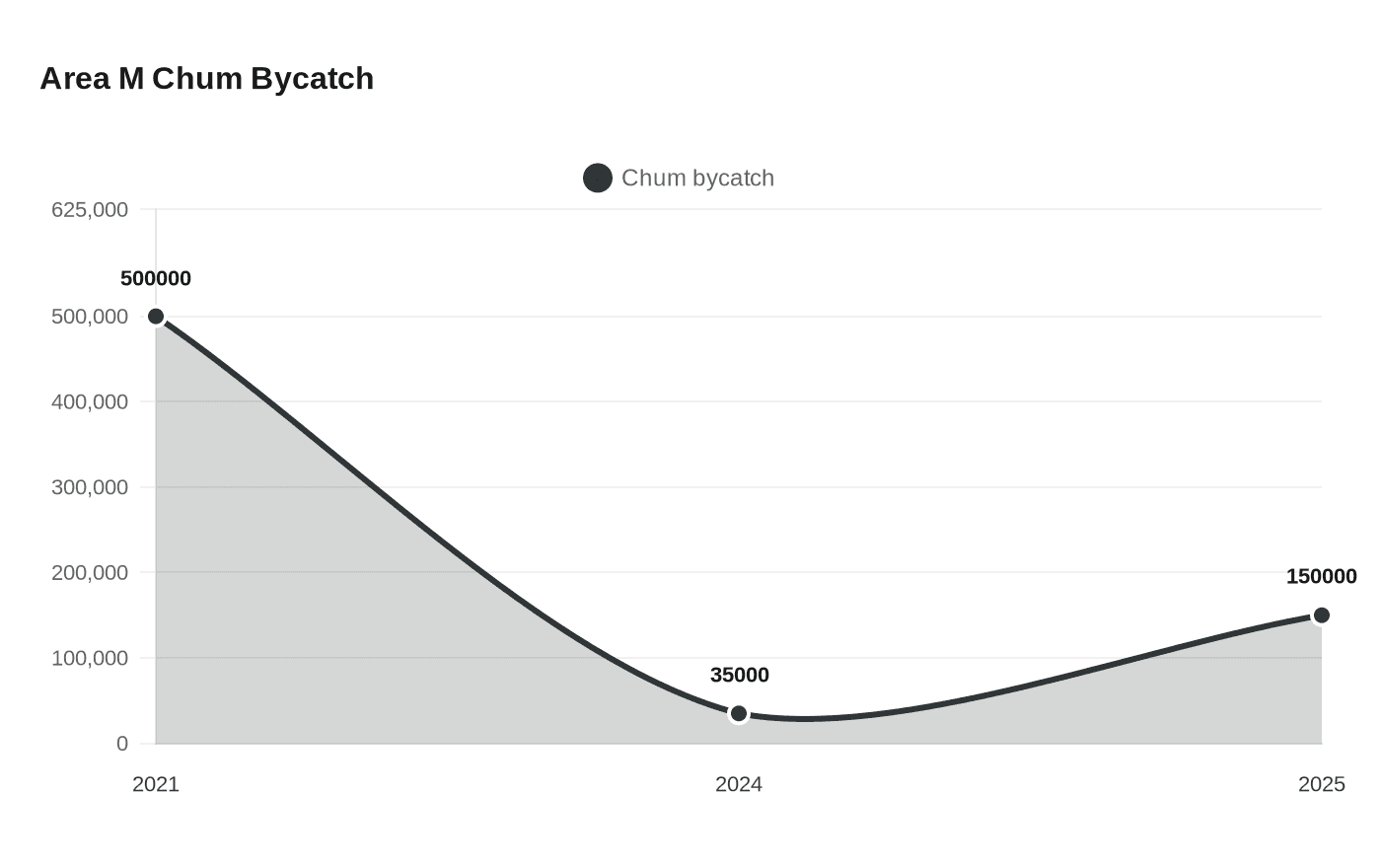
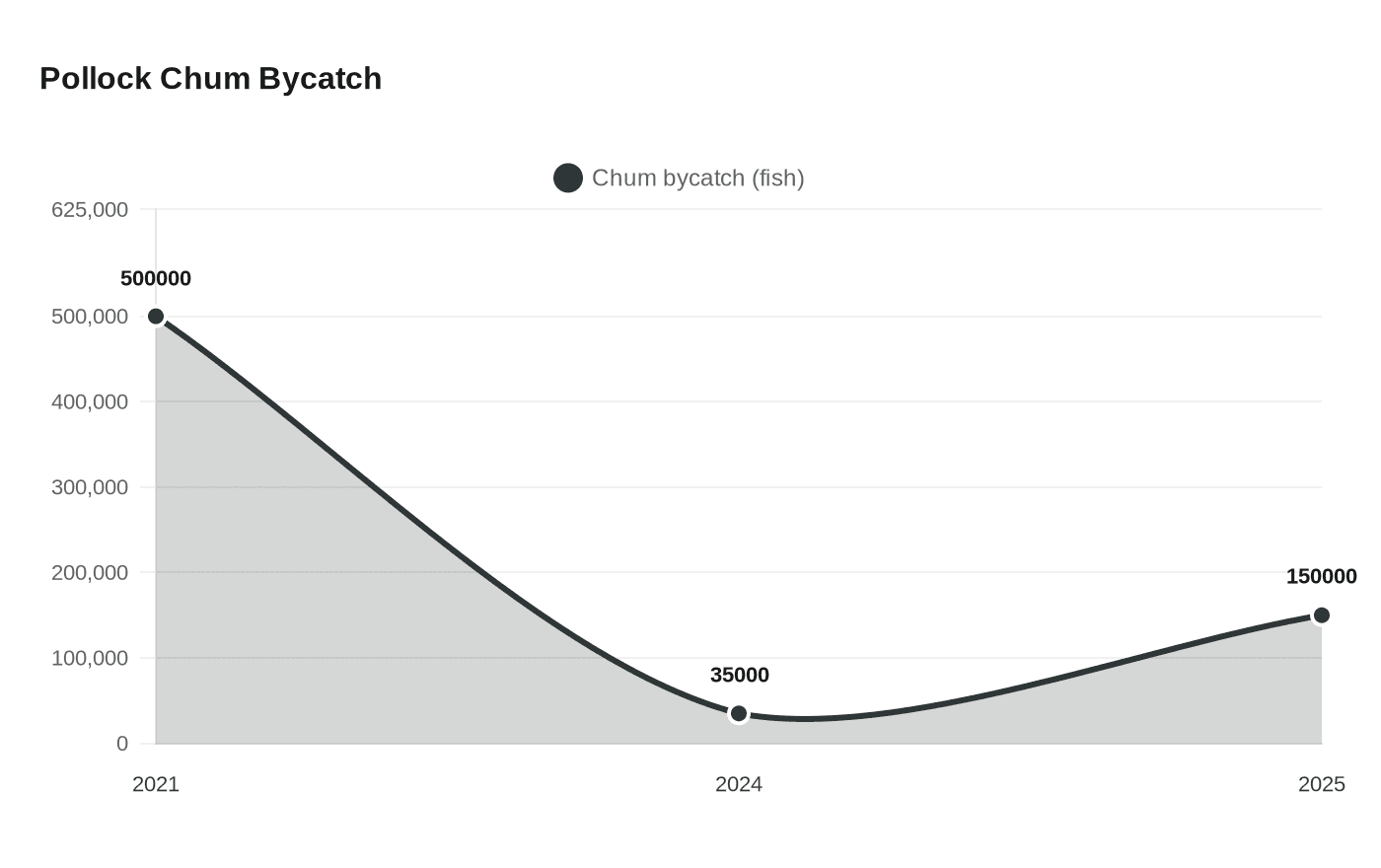
The subsistence debate intersects with longstanding fisheries questions that reach across Western and northern Alaska. Reporting on the Area M pollock fishery shows chum bycatch spiked to more than half a million fish in 2021, dropped to just over 35,000 in 2024, then rose to a little more than 150,000 in 2025. Federal fisheries managers estimate roughly 17% of those chums over the last decade were bound for Western Alaska rivers. The Alaska Board of Fisheries will consider proposed changes in Area M during its Feb. 18 to Feb. 24 meeting.
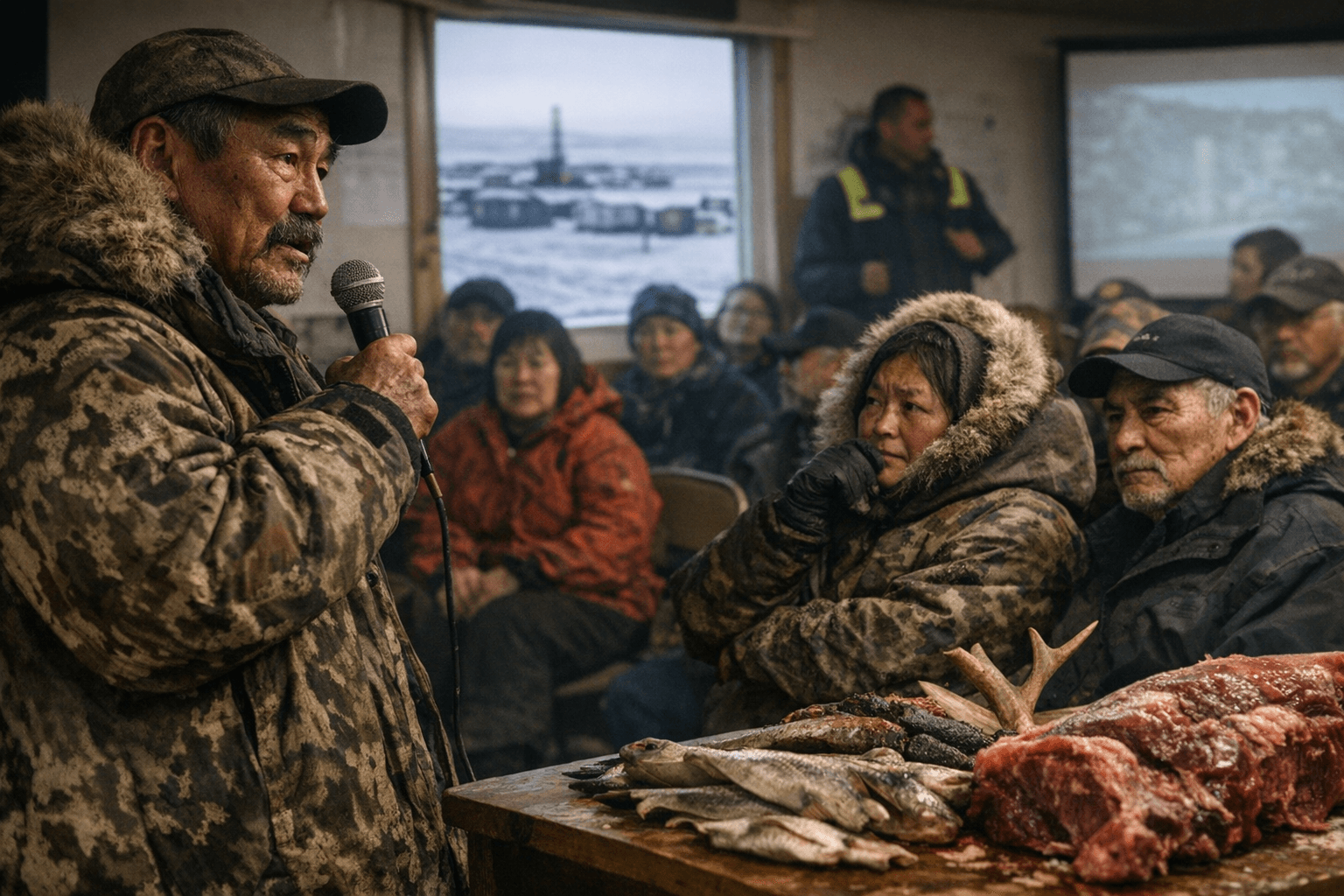
Local leaders tied those fisheries dynamics to immediate subsistence strain. Martin Andrew, chair of the Kuskokwim River Inter‑Tribal Fish Commission, testified to the human toll: “There's no more commercial fishing income. We struggle to put food away for the winter and have enough to share in our limited subsistence opportunities. Our physical, mental, and spiritual health is in crisis,” Andrew said. In public debate, a participant identified only as Yeager urged codifying voluntary measures already in place in the pollock fleet, arguing that “the costs of more severe restrictions could outweigh the benefits for Western Alaska chum.”
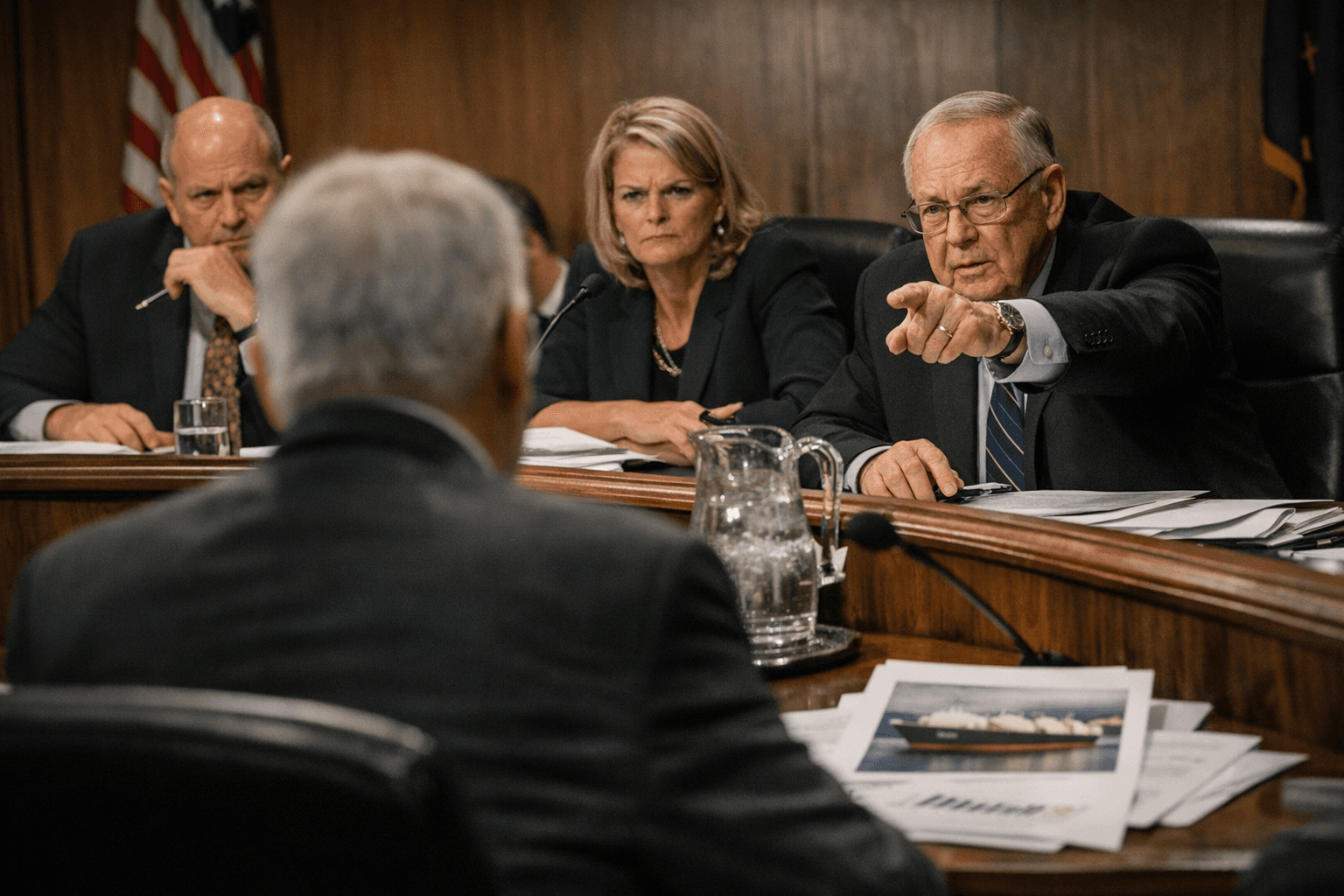
Regulatory capacity and legal constraints add another layer to the controversy. A Department of the Interior memo from 2017 noted that “The capacity to undertake the front-end work on a new regulatory process currently is constrained in the NPS Alaska Region due to a commitment to the DOI Office of the Solicitor to address litigation related to a previous regulation.” That 2017 observation documents institutional pressures inside the federal system, though the memo predates the current rulemaking discussion.
The issue of subsistence and local control also appears in broader legal and land-use threads. Metadata from late January shows leaders from the North Slope village of Nuiqsut filed suit against the federal government over changes to the Willow project, and an Alaskapublic image caption notes a right-of-way agreement that gives Nuiqsut residents authority to prevent development around Teshekpuk Lake, an area tied to the Teshekpuk Caribou Herd. Those developments add context for North Slope residents weighing how regulatory changes could affect habitat, harvests and local authority.
What this means for readers: the coming weeks will feature formal venues where policy and practice could change. The Alaska Board of Fisheries meets Feb. 18 to Feb. 24 on Area M issues, and federal rulemaking timelines could invite public comment. North Slope residents concerned about subsistence access and habitat protection should track the Board meeting, follow Alaska News Nightly for updates, and use available public-comment opportunities to make local priorities clear to state and federal managers. Contact information for follow-up on the broadcast is available through the program's listed news email: news@alaskapublic.org.
Know something we missed? Have a correction or additional information?
Submit a Tip