Norway moves to nearly ban AI tools in primary schools
Norway will bar AI tools for primary pupils and tighten classroom use for older students, betting early reading and attention matter more than shortcuts.

Norway is moving to sharply limit generative AI in classrooms, placing primary school pupils under a near ban and tightening rules for older students as officials warn that children should not rely on tools that can outrun reading, writing and reasoning. The changes are set to begin with the new school year in late August 2026, affecting pupils in primary school, typically ages 6 to 13, and lower-secondary school, typically ages 14 to 16.
Prime Minister Jonas Gahr Støre framed the move as part of a broader effort to protect learning and basic skill-building, citing a worrying slide in test scores. The policy follows earlier school measures that already pushed Norway toward a stricter classroom environment, including a 2024 mobile phone ban and a return of stronger discipline powers to teachers.
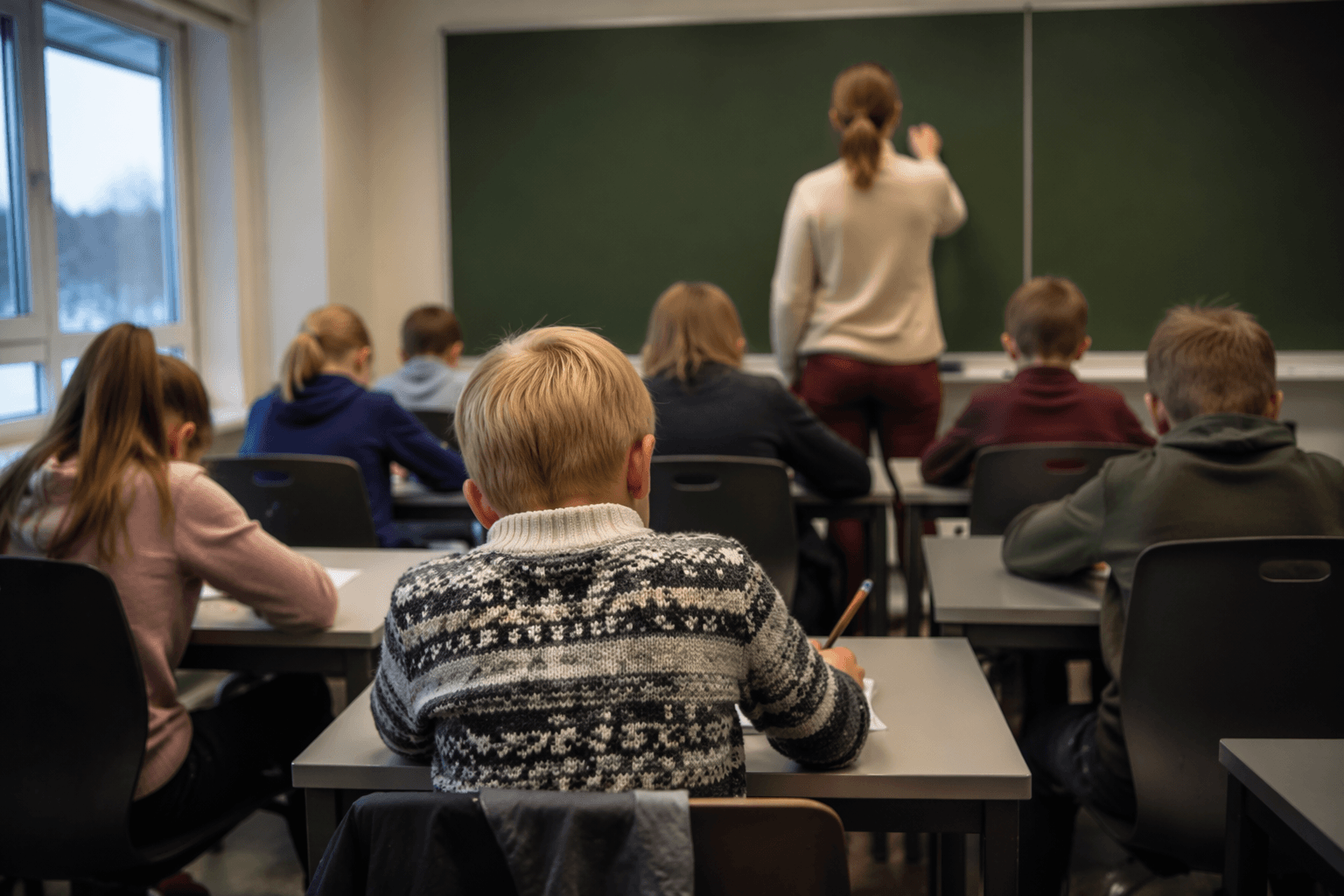
That shift did not come out of nowhere. The Norwegian government said in February 2024 that Utdanningsdirektoratet had recommended removing mobile phones from classrooms at all school levels. By August 2024, officials said 96 percent of primary schools had introduced mobile restrictions, and by February 2025 nearly all primary schools and most upper-secondary schools were already practicing mobile bans. A February 2026 government update said mobile-free schools were reporting more calm, more community among pupils and fewer conflicts, giving ministers a concrete example of how limiting technology can change day-to-day school life.
The AI restrictions follow the same logic, but they stop well short of an outright rejection of the technology. Norway’s national AI strategy says the government wants the country to lead in developing and using AI responsibly, and it has created KI-Norge as a national arena for innovative and responsible use of AI. Lower-secondary pupils will still be allowed to use AI under teacher supervision, while upper-secondary students will be taught how to use it appropriately.
The concern is that AI is spreading faster than schools can build guardrails around it. A January 2026 education ministry-linked report found that 65 percent of primary-school leaders and 89 percent of lower-secondary leaders believed pupils were already using AI. That level of uptake sharpened the case for action before children in the earliest grades became dependent on software that can mask weak literacy rather than strengthen it.
For Norway, the message is that schools should prioritize direct learning over shortcuts, especially for younger children still forming the habits that shape attention, confidence and academic independence. It also places the country among the first in Europe to draw a hard line around classroom AI at the primary level, a move that will be watched closely as U.S. schools continue debating whether generative AI belongs in the classroom, and if so, at what age.
This article was produced by Prism’s automated news system from verified source data, official records, and press releases, then run through automated quality and moderation checks before publishing. The system is built and supervised by the people who set the standards it runs under. Read our full AI policy.
Did this article answer your question?