Norway’s Viking Row spreads from stadiums to schools and nursing homes
Norway’s fan chant jumped from a Boston escalator to parliament, schools and a nursing home, turning a World Cup celebration into a national ritual.
Norway’s players joined the Viking Row on the field after a 3-2 win over Senegal on June 22, a result that gave the celebration even greater force as the national team kept its World Cup run alive. The chant, spelled ro in Norwegian and meaning row, has become the signature gesture of Norway’s supporters and players, carried by a drumbeat that speeds up as fans sit or stand shoulder to shoulder in a longboat formation.
The ritual’s modern spread began with a viral video from Boston’s South Station on June 16, when Norwegian fans in Viking helmets rode an escalator while chanting ro. From there it jumped quickly across transit hubs and public spaces, showing up in Times Square, on New York City subway cars, on escalators, in stadium stands and even in a Good Morning America appearance. What started as a match-day flourish became a repeatable spectacle that moved easily from one crowd to another.
In Oslo, the chant took on a more formal edge when Norway’s parliament, the Stortinget, performed a recreation of the Viking Row on June 18 in support of the team. Speaker Masud Gharahkhani said the message behind it was peace, love and support for the national team. That political moment gave the celebration a public meaning beyond football, folding national pride, institutional backing and World Cup momentum into the same display.
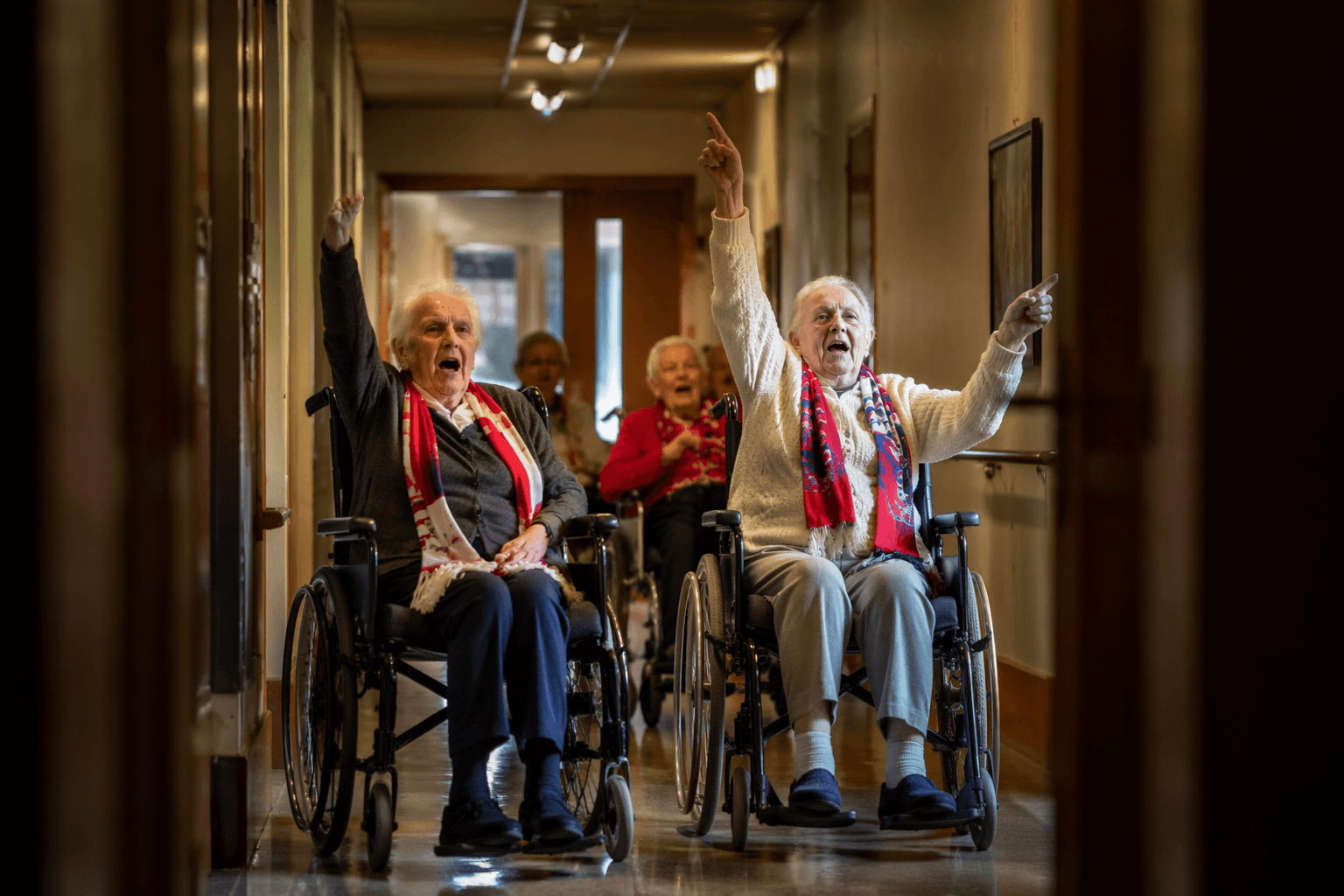
The movement has now reached places far beyond elite sports venues. A nursing home in Norway staged its own version of the row, and Erling Haaland reposted the video, extending the ritual’s life across social media and into the daily routines of older Norwegians. Norway’s return to the men’s World Cup after 27 years away has helped turn the chant into a marker of collective release, and its rise has drawn comparisons to Iceland’s 2016 Viking Clap. For some, the row has become a vivid national emblem; for others, it is another example of a global sporting stage being claimed by one loud, highly visible fan culture.
This article was produced by Prism’s automated news system from verified source data, official records, and press releases, then run through automated quality and moderation checks before publishing. The system is built and supervised by the people who set the standards it runs under. Read our full AI policy.
Did this article answer your question?