Novavax posts surprise Q4 profit and lifts 2026 revenue outlook on licensing deals
Novavax reported a fourth-quarter profit and raised 2026 adjusted revenue guidance, citing milestone payments and licensing deals that could reshape its near-term cash flow.
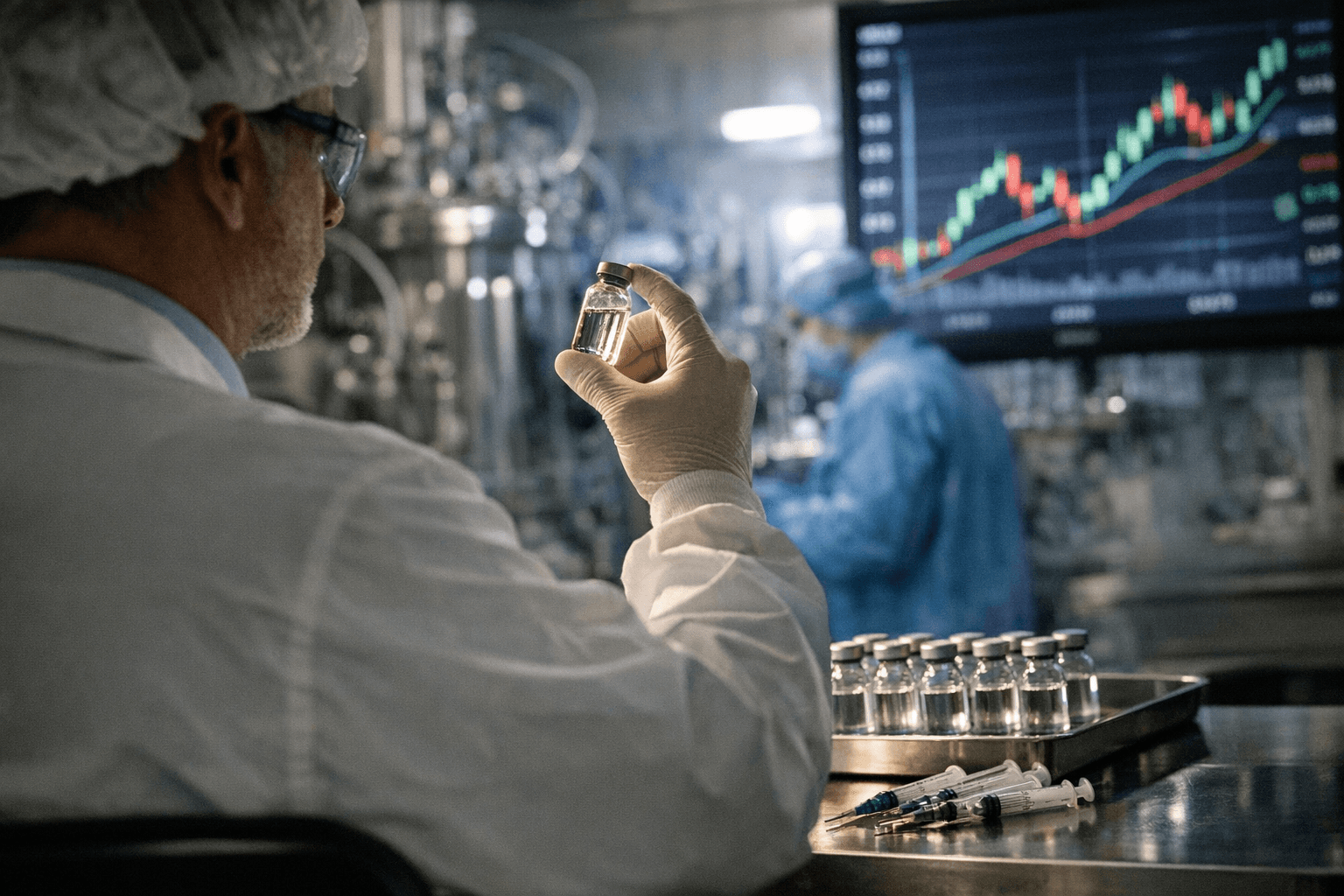
Novavax reported a surprise fourth-quarter profit and raised its adjusted revenue guidance for full-year 2026, saying expected milestone payments and new licensing agreements will drive near-term revenue. The Gaithersburg, Maryland-based vaccine maker said the results mark a material turnaround after recent years of heavy investment in vaccine development.
The company’s announcement on Feb. 26, 2026 follows stronger-than-expected operational performance in Q4 and a shift in revenue mix toward one-time milestone receipts and royalties linked to licensing its recombinant protein vaccine technology. Novavax characterized the change as sufficient to lift its adjusted revenue outlook for 2026, signaling improved cash flow without announcing new product launches or detailed counterparty names in its summary release.
The shift from product sales to milestone and licensing revenue alters the company’s risk profile. Licensing deals provide potentially recurring royalty streams with lower manufacturing overhead, while milestone payments supply lump-sum capital tied to regulatory or commercial achievements. For investors, that combination can stabilize revenue in the short term but raises questions about sustainability if follow-on commercial commitments are limited.
Public-sector buyers and global health organizations that backed vaccine development are likely to scrutinize how licensing and milestone structures affect access and pricing. Novavax’s technology has been a candidate for broad distribution during pandemic responses; licensing arrangements that prioritize royalties over expanded manufacturing could complicate supply strategies for low- and middle-income countries. Procurement agencies will need clearer schedules for delivery and technology transfer to assess whether licensing improves or constrains availability.
The governance implications are immediate. Companies that convert operational losses into profit through milestone recognition often face scrutiny over the timing and accounting of those revenues. Investors and regulators will expect transparent SEC filings that disclose counterparties, payment triggers and any contingent liabilities tied to the agreements. Shareholders will also examine how management compensation and incentive plans account for milestone-driven gains, particularly if those payments materially affect executive pay metrics.
Industrywide, Novavax’s move may accelerate partnership activity among vaccine developers and contract manufacturers. Large pharmaceutical partners often seek licensing to access novel antigen platforms without assuming manufacturing risk. For domestic policy, the development underscores the changing role of government support in biotech: public research funding and advance purchase agreements that helped scale pandemic-era vaccine capacity may need reevaluation if commercial licensing becomes the primary revenue engine.
For health systems and policymakers, the near-term benefit is added liquidity for a company that has supplied pandemic-era vaccines and continued R&D. The longer-term question is whether licensing expands manufacturing capacity and transfer of know-how or prioritizes revenue through royalties that limit competition. Advocacy groups and procurement officials will press for explicit terms that safeguard supply and affordability.
Novavax’s updated guidance makes regulatory milestones, licensing contract signings and the pace of royalty accrual the key near-term indicators to watch. The company’s forthcoming filings and contract disclosures will determine whether this revenue pivot represents a durable business model shift or a temporary boost tied to a handful of transactions.
This article was produced by Prism’s automated news system from verified source data, official records, and press releases, then run through automated quality and moderation checks before publishing. The system is built and supervised by the people who set the standards it runs under. Read our full AI policy.
Did this article answer your question?