NPS Ends Arches Timed-Entry Program for 2026, Splitting Grand County Officials
NPS ends Arches timed-entry for 2026, splitting Grand County as a $60,000 Gardner study remains due April 30.
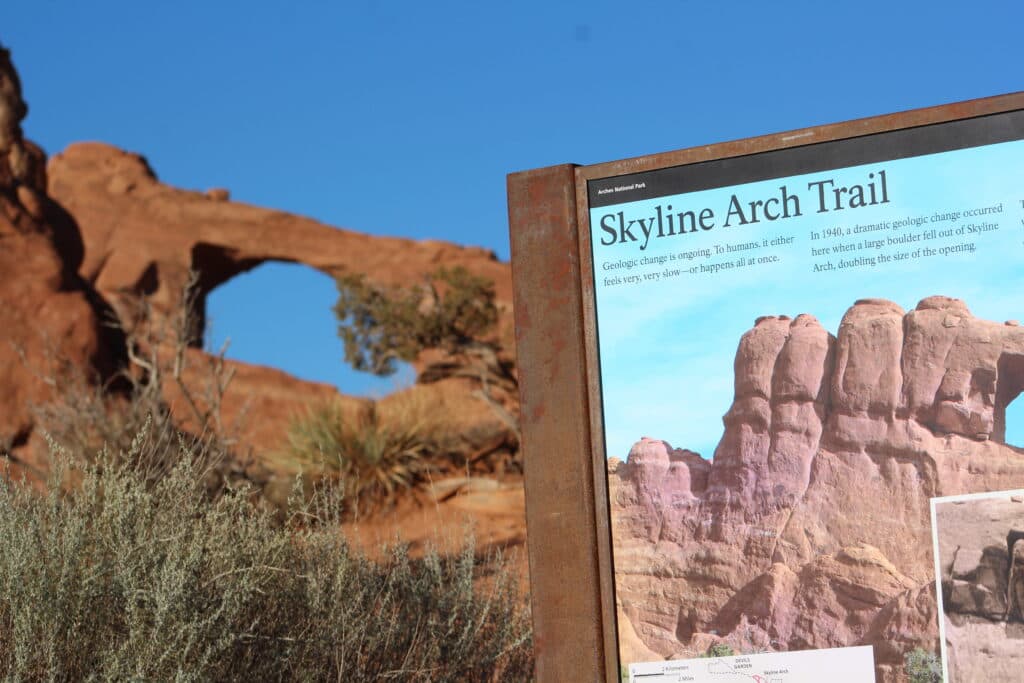
The National Park Service announced on Feb. 18, 2026, that Arches National Park will not require timed-entry reservations in 2026, ending a four-year pilot that had reshaped peak-season access and leaving Grand County elected officials publicly split over the fallout. County commissioners had voted 4-2 in January 2025 to withdraw support for making the system permanent and later commissioned a $60,000 study from the University of Utah’s Kem C. Gardner Policy Institute, a report now due April 30, 2026.
The timed-entry pilot began in 2022 and ran during peak months from April through October, undergoing revisions including a midsummer pause last year. KSL reported that Arches drew more than 1.5 million visits last year, and NPS said, "The timed-entry requirement has been lifted for the year 2026, with visitors allowed to enter the park at any time during operating hours." NPS urged visitors to plan for lines, check the park webcam for real-time conditions, and noted reservations remain required for Devils Garden Campground and Fiery Furnace hikes.
Grand County’s reaction has been mixed. Chairwoman Melodie McCandless celebrated the decision, while commissioners who backed the January 2025 4-2 vote and who mailed a July letter to Interior Secretary Doug Burgum had pushed for alternatives. In December, Martinez presented the so-called ACE Alternative to Trump administration officials as a possible replacement, and county leaders now await the Gardner Institute’s findings after a draft discussion scheduled for Mar. 11, 2026.
Economic stakes figure large in local debate. Protectnps cited park-service data that Arches injected $312 million into the local economy in 2024 and county estimates that 70% of jobs are tied to park visitation. Grand County economic development and communications coordinator Melisa Jeffers said, "We see a bit of a reduction in crowding, and we also see a high rate of cancellation and folks reporting that they’re not able to get into the park." Jeffers added, "Almost everyone is impacted by tourism, so the stakes are high for us" and called the recovery of access "an important conversation."
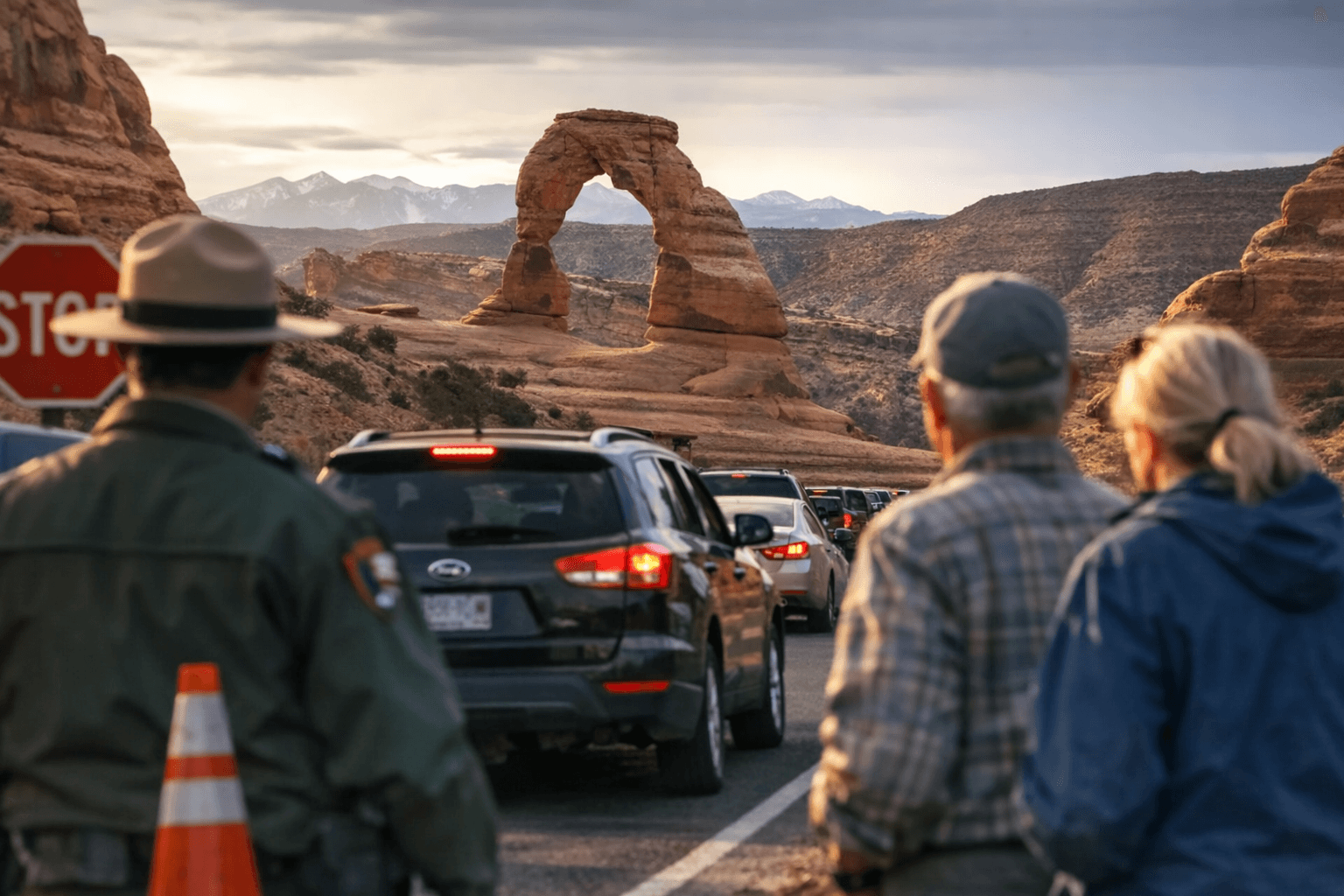
Operational headaches remain a top concern for outfitters and visitors. NPS warns that if parking lots are full the park may close for three to five hours at a time and advises visitors not to wait in roadways but to consider Dead Horse Point State Park, Canyonlands National Park, or Utahraptor State Park. One local voice, identified only as Mazzu, warned, "There’s going to be a lot of people getting turned away during temporary closures," and asked, "Is that improved access? I don’t think so." Mazzu also cautioned that a shuttle system could help but would be expensive and slow to implement: "Until then, you’re going to have a lot of frustrated visitors."
The near-term picture is clear: NPS will "work with local partners moving forward" as it adjusts operations, Superintendent Lena Pace said, while Grand County and tourism leaders wait for the Gardner Institute’s final analysis on Apr. 30, 2026, and for details on county proposals such as the ACE Alternative and any concrete plans for shuttles or other traffic-management investments.
Know something we missed? Have a correction or additional information?
Submit a Tip