NTSB says missing transponder helped cause deadly LaGuardia runway collision
A missing transponder kept LaGuardia’s system from flagging a fire truck on Runway 4, and two pilots died before the airport moved to expand tracking devices.
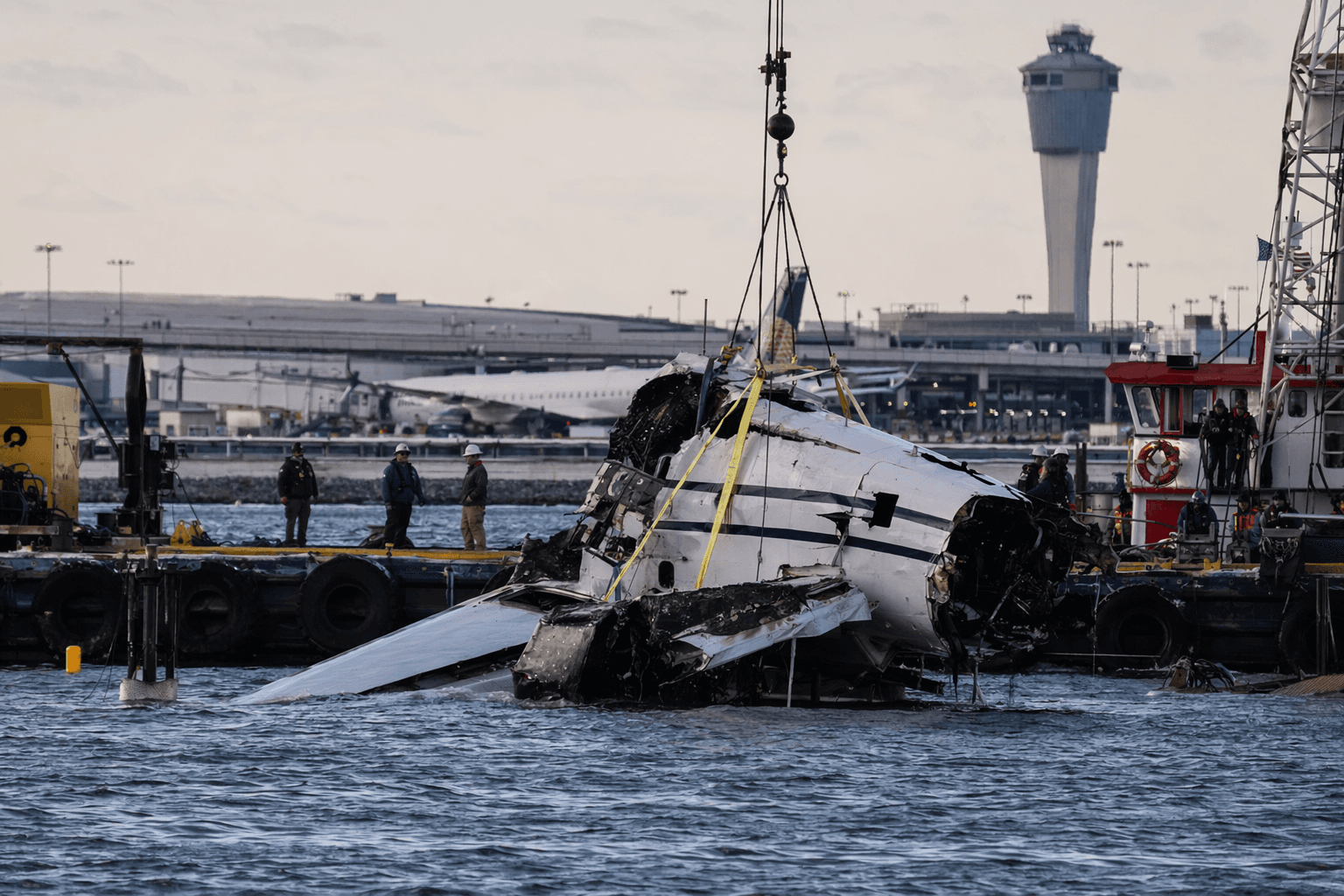
Federal investigators said a basic tracking failure helped set up a deadly collision at LaGuardia, where an Air Canada Express jet struck a fire truck on an active runway and killed both pilots.
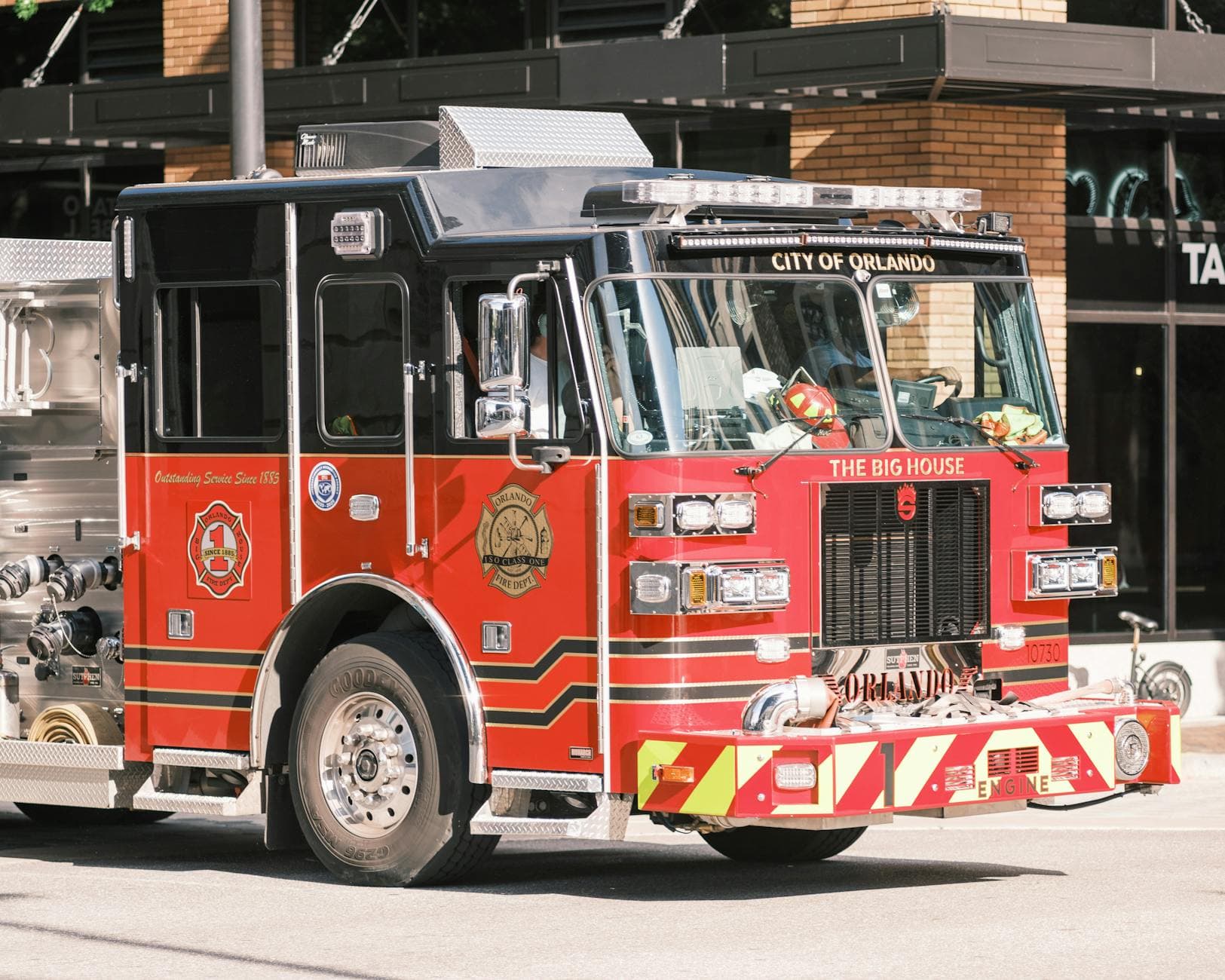
The accident happened at 11:37 p.m. EDT on March 22, 2026, when Jazz Aviation LP flight 646, operating as Air Canada flight 8646, a Mitsubishi Heavy Industries Bombardier CRJ-900 registered C-GNJZ, collided on Runway 4 with Rescue 35, an Oshkosh Striker 1500 aircraft rescue firefighting vehicle owned by the Port Authority of New York and New Jersey. Of the 76 passengers and crew aboard, 39 were taken to local hospitals and six serious injuries were reported.
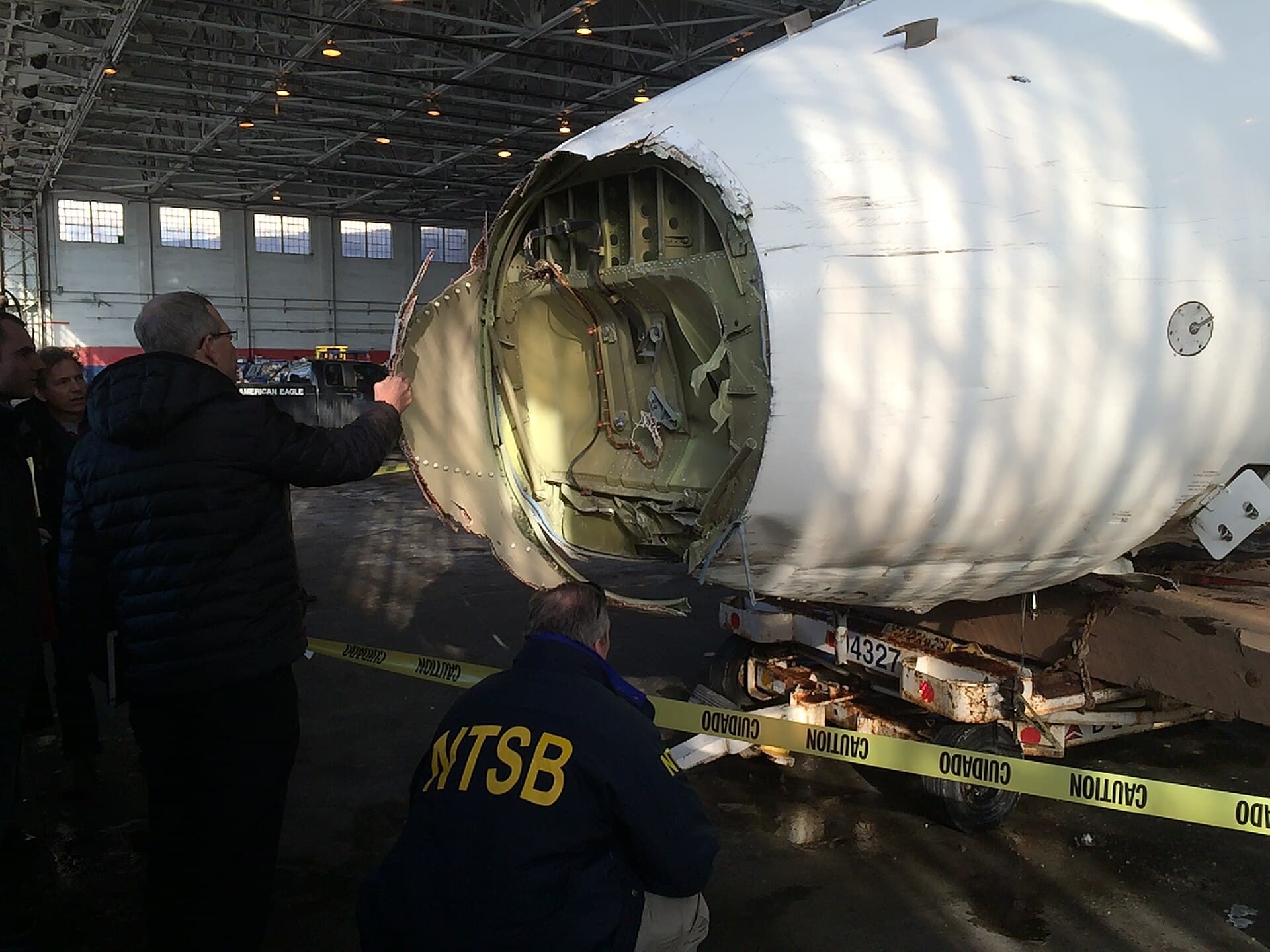
The National Transportation Safety Board said LaGuardia’s ASDE-X ground surveillance system did not generate an alert because the fire truck lacked a transponder or tracking device that would have transmitted its location to air traffic control. Investigators also said the vehicle crossed the runway after warning lights were functioning, and that a firefighter in the truck heard a radio warning to stop but did not realize it was directed at the truck.
The preliminary report, updated April 23, added another layer of concern: the controller who cleared the truck was also handling another emergency, while only two controllers were working in the tower area during the overnight shift. NTSB chair Jennifer Homendy said that staffing level had long been a concern for air traffic controllers. The board’s full investigation remained open.
The crash has now forced a belated technology fix. The Port Authority said it appreciated the NTSB’s work and was conducting a comprehensive review of the findings. It later said it would expand the use of tracking devices on airport vehicles at its airports after testing them at Newark Liberty International Airport last year.
That timeline has sharpened the central question hanging over LaGuardia: why was the technology not already standard on vehicles moving through active airfield space where jets and emergency responders share the same pavement. The collision showed how quickly a missing transponder, a busy tower, and a runway crossing can turn a routine ground operation into a fatal breakdown in safety.
This article was produced by Prism’s automated news system from verified source data, official records, and press releases, then run through automated quality and moderation checks before publishing. The system is built and supervised by the people who set the standards it runs under. Read our full AI policy.
Did this article answer your question?